
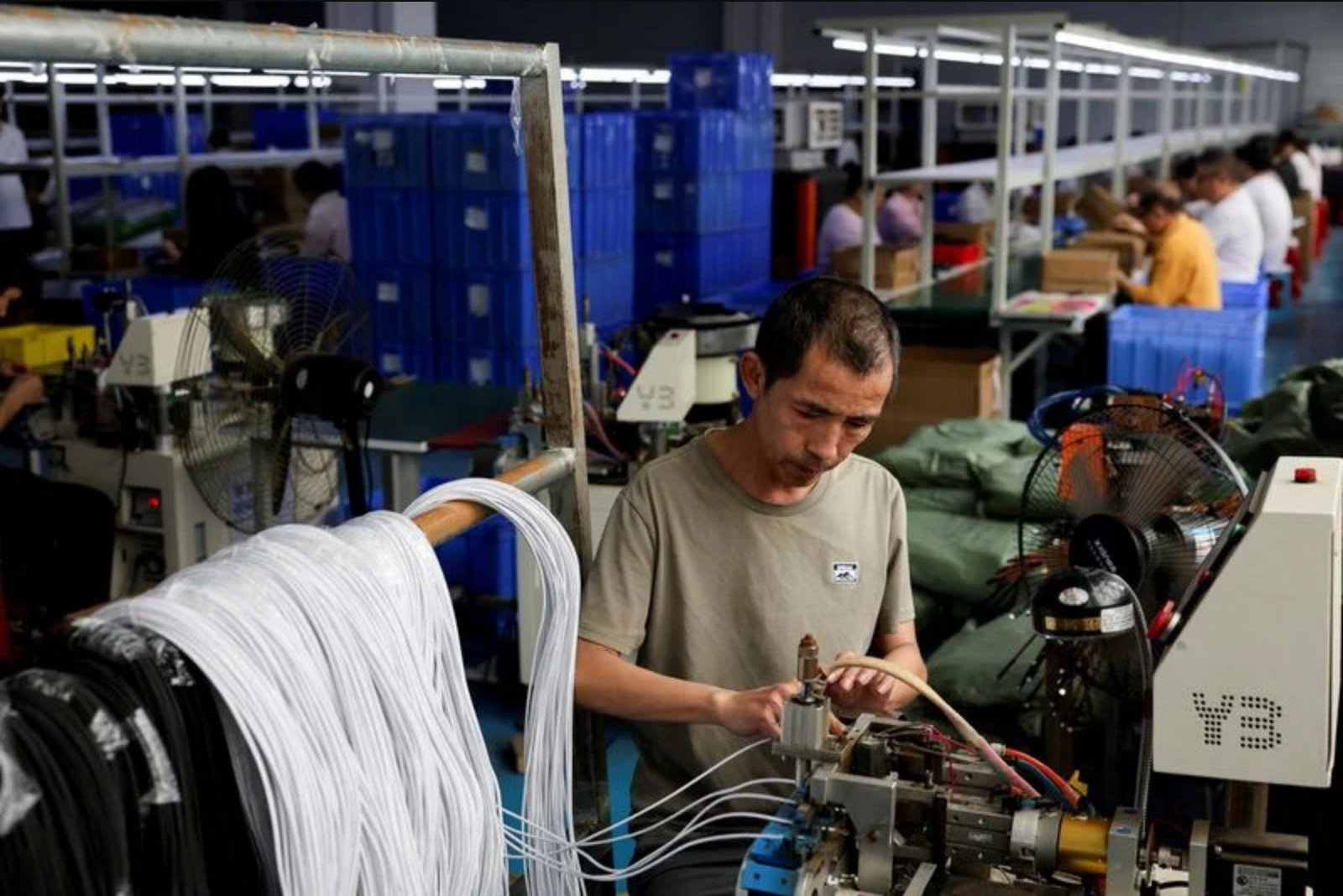
China's manufacturing sector maintained its trajectory of growth through May, marking the sixth consecutive month of expansion according to recent private survey data. The RatingDog China General Manufacturing Purchasing Managers’ Index (PMI), compiled by S&P Global, arrived at a reading of 51.8 for the month. While this represents a deceleration from the 52.2 recorded in April, it remains above the critical 50.0 threshold that distinguishes expansion from contraction and slightly exceeded the 51.6 forecast by analysts.
This private sector reading offers a different perspective than official data released previously, which suggested manufacturing activity had stalled at a level of 50.0 in May, down from 50.3 in April. According to Yao Yu, the founder of RatingDog, while the expansion slowed, the manufacturing sector was able to sustain its growth, aided by a reduction in inflationary pressures that helped stabilize both pricing and cost environments for various firms.
Key Economic Indicators and Sectoral Impacts
The data highlights several critical trends within the industrial landscape:
- Production Growth: For the sixth month in a row, production levels rose. This upward trend was primarily driven by the investment goods sector. Manufacturers cited several contributing factors for this increase, including improved products, new business acquisition, higher levels of new orders, and robust market demand.
- Order Momentum: New orders continued to climb for the twelfth straight month. However, the velocity of this expansion showed signs of slowing compared to the previous month in April.
- Pricing Trends: A notable shift occurred in price pressures, as both input and output price inflation saw their first declines in six and seven months, respectively. Input cost inflation reached its lowest point in three months. Within this category, the consumer goods sector saw the weakest inflation, while investment goods experienced the most significant increases.
- Output Pricing: Average output inflation also hit a three-month low, though it continues to stay above long-run averages. Intermediate goods producers led with the fastest rise in prices, whereas consumer goods firms reported the slowest growth in output pricing.
These shifts suggest that while industrial activity is robust, the cost environment for manufacturers is becoming somewhat more manageable due to moderating inflation.
Risks and Market Uncertainties
Despite the sustained expansion, several headwinds emerged in the May data that could impact future performance:
- Weakening Export Demand: For the first time in five months, new export orders contracted. This shift may indicate that rising energy costs are beginning to negatively affect global demand for goods produced in China.
- Labor Reductions: Employment levels dropped to their lowest point in five months, falling below the 50.0 mark. This indicates a contraction in staffing levels within the manufacturing sector.
- Softening Outlook: While manufacturers remain optimistic about output over the next year, this confidence has declined from April levels and is currently aligned with the average observed throughout 2026 so far. Yao Yu noted that risks to watch include softer external orders and moderating growth in demand.
The combination of contracting export orders and reduced staffing suggests a complex environment where internal production remains strong, but external pressures and labor adjustments are becoming more prominent factors for the industrial sector.