
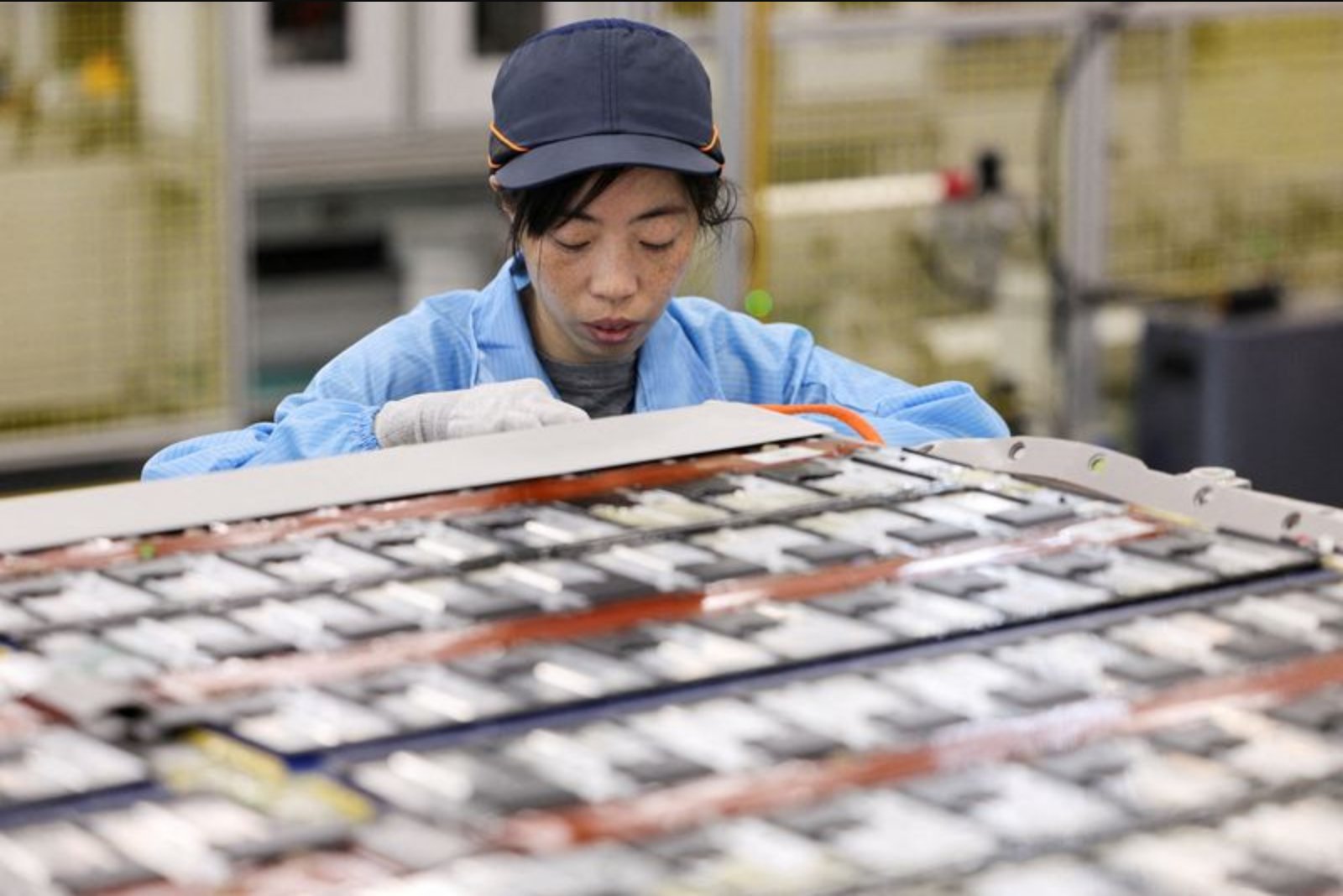
The latest manufacturing figures suggest a cooling momentum within the Chinese economy, following similar trends observed in April where growth slowed despite an uptick in exports. The current data highlights several structural and external pressures that are weighing on industrial output. Domestic economic headwinds, including a softening property market, sluggish consumer spending, and employment challenges, continue to constrain internal demand. Consequently, the manufacturing sector remains heavily reliant on international markets to absorb its production.
Key Economic Indicators and Sectoral Performance
The divergence in industrial performance suggests that certain high-growth areas are insulating themselves from the broader slowdown. While general manufacturing struggled, advanced sectors showed resilience:
- High-Tech Resilience: High-tech manufacturing recorded a PMI of 52.9, while equipment manufacturing saw a reading of 52.1, both outperforming the wider sector. This strength is partly attributed to global demand for semiconductors and goods related to artificial intelligence.
- Service Sector Expansion: The non-manufacturing PMI, which encompasses construction and services, showed signs of recovery by rising to 50.1 in May, compared to 49.4 in April.
- Upstream vs. Downstream Divergence: Upstream industries, such as the petrochemical sector, have faced significant pressure from imported producer price inflation. Conversely, some buyers have engaged in stockpiling to hedge against anticipated cost increases.
Market Risks and Economic Uncertainties
Several critical factors pose risks to the stability of China's manufacturing margins and broader economic growth:
- Energy Price Volatility: Geopolitical instability in the Middle East, specifically the conflict that began in late February and resulted in the closure of the strategic Strait of Hormuz, has driven energy prices higher. This trend threatens to squeeze manufacturer profits as production costs escalate.
- Trade Relations: While a mid-May summit between Chinese and U.S. leaders took place in Beijing, it did not lead to an extension of the trade truce established late last year. Although both nations agreed to investigate potential tariff reductions on goods valued at approximately $30 billion each, the lack of a formal truce remains a factor for trade stability.
- Supply-Demand Imbalance: The mismatch between production capacity and domestic consumption remains a core concern. In response, the Chinese government has committed to addressing this imbalance and has indicated a less ambitious GDP growth target for 2026 to facilitate further reforms.
As high-energy-consuming industries continue to contract, the manufacturing sector's trajectory will likely depend on whether advanced manufacturing can continue to offset the weakness in traditional industrial segments.