
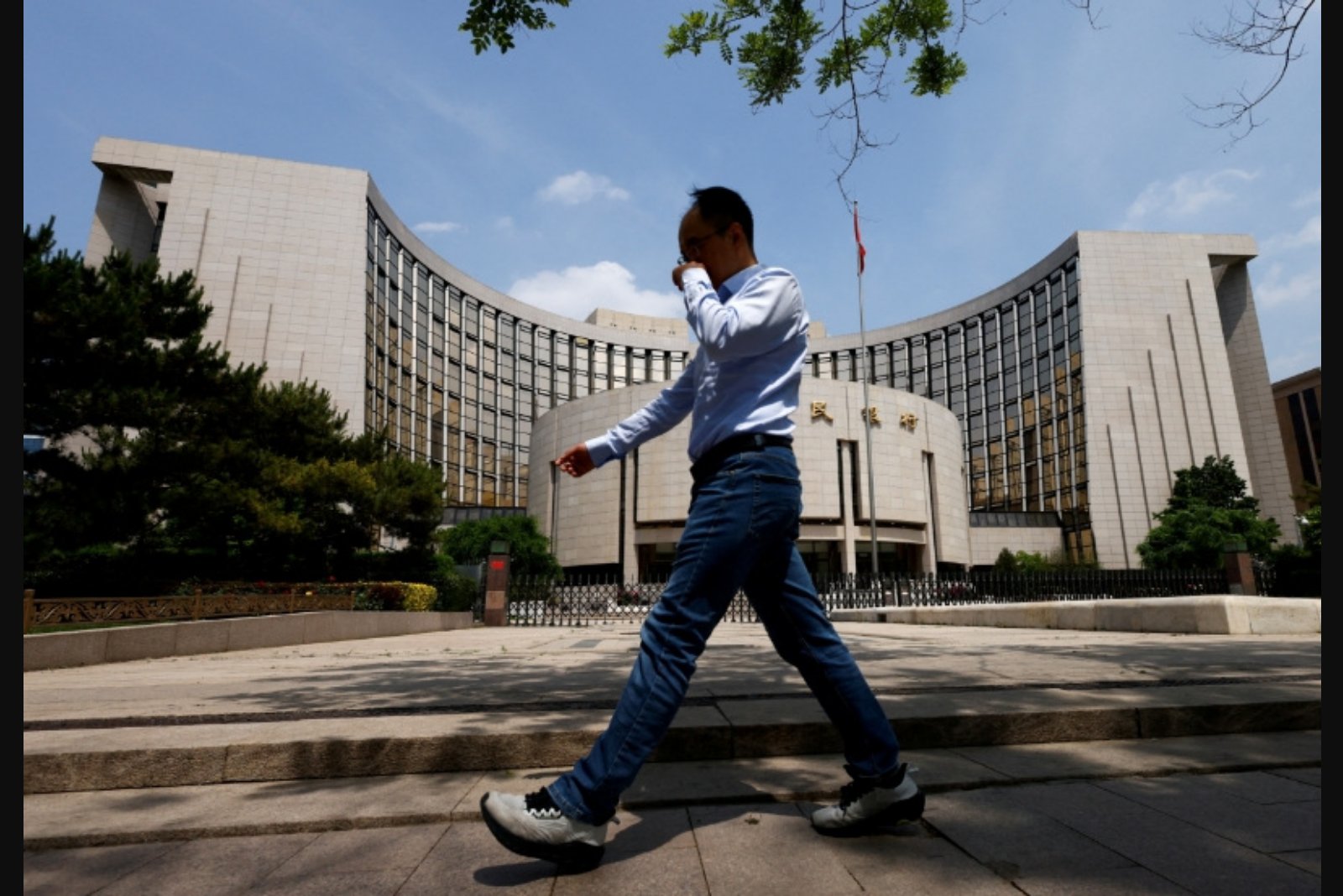
The People's Bank of China (PBOC) has opted to keep its primary lending benchmarks unchanged for the 12th month in a row. On Wednesday, officials confirmed that the one-year loan prime rate (LPR) will remain at 3.00%, while the five-year LPR stays fixed at 3.50%. This outcome was widely anticipated by market observers; a recent survey of 20 market participants conducted this week showed unanimous predictions that neither rate would see a change.
Key Economic Indicators and Market Impacts
The decision to maintain current rates reflects a cautious stance by policymakers. Several factors influence this stability:
- Rate Stability: The one-year LPR is set at 3.00% and the five-year LPR remains at 3.50%. Furthermore, the seven-day reverse repo rate, which acts as the foundation for pricing the LPR, has seen no changes throughout this year.
- Monetary Policy Tone: The PBOC's quarterly report and current interbank liquidity levels indicate that there is little immediate pressure to implement rate cuts, even though economic activity and lending have shown signs of softness.
- Policy Shifting: In its first quarter policy implementation report, the central bank introduced the phrase "targeted and effective" alongside its description of a "moderately loose" monetary policy. The report also emphasized the importance of strengthening the economy's own endogenous growth drivers.
These developments suggest that the momentum for broad-based monetary easing may be decreasing. The focus appears to be shifting toward more specific, targeted measures rather than wide-ranging stimulus.
Economic Risks and Uncertainties
The decision to hold rates steady occurs against a backdrop of several complicating economic factors that pose risks to various sectors:
- Declining Domestic Demand: China's economic momentum slowed in April. Specifically, industrial output has cooled, and retail sales have dropped to more than three-year lows. This weakness in domestic demand impacts the consumer goods and retail sectors directly.
- Inflationary Pressures: There is growing concern regarding a potential inflation backdrop. TD Securities noted that a surge in producer prices might make the PBOC more hesitant to cut rates for growth stimulation purposes.
- External and Energy Costs: The world's second-largest economy is currently grappling with elevated energy costs resulting from the Iran war, which adds complexity to the macroeconomic landscape.
Given these conditions, analysts like those at TD Securities suggest that rather than large-scale stimulus measures, Beijing may instead favor targeted fiscal stimulus, particularly focusing on infrastructure investment.