
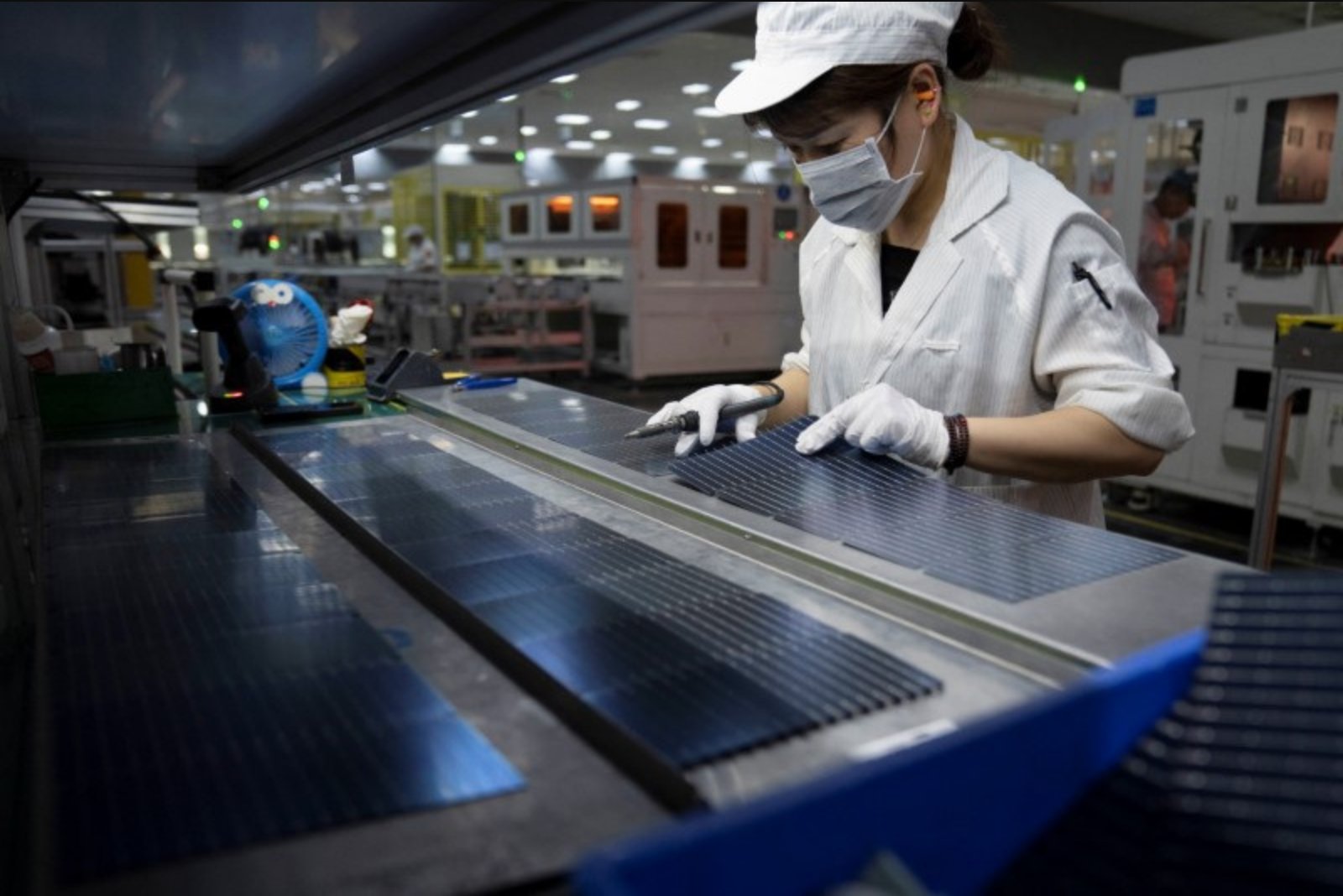
The Chinese economy experienced a noticeable loss of steam during April, characterized by industrial production and retail sales figures that significantly underperformed consensus forecasts. According to data released by the National Bureau of Statistics (NBS), factory output grew by 4.1% year-on-year. This represents a substantial deceleration from the 5.7% growth recorded in March and falls well below the 5.9% rise anticipated by analysts in a Reuters poll. This current rate marks the slowest expansion for industrial output since July 2023.
Consumer activity also showed signs of significant cooling. Retail sales, which serve as a primary gauge for domestic consumption, grew by only 0.2% in April. This figure is a sharp decline from the 1.7% growth seen in March and represents the weakest monthly increase in retail sales since December 2022. Furthermore, this result missed the projected 2% increase expected by market analysts, highlighting the ongoing fragility of household consumption.
Key Economic Indicators and Sector Impacts
The recent data highlights several critical areas of concern across various sectors of the Chinese economy:
- Manufacturing and Industrial Production: The slowdown in factory output suggests a cooling in the industrial sector. While industrial production has historically outpaced domestic demand, the current deceleration indicates a shift in momentum.
- Retail and Consumer Goods: The stagnation in retail sales points to a difficult environment for consumer-facing brands and retailers. Specifically, the automotive sector is facing significant headwinds; domestic car sales fell by 21.6% year-on-year in April, marking a seven-month streak of declines despite efforts by manufacturers to find growth in overseas markets.
- Investment and Construction: Fixed-asset investment has entered a period of contraction, falling 1.6% during the first four months of 2026. This is a reversal from the 1.7% increase observed during the January-March window. Factors contributing to this decline include a drop in the official construction purchasing managers' index and heavy rainfall affecting parts of southern China.
Risks and Economic Uncertainties
Several factors continue to create uncertainty for China's economic trajectory:
- Energy Costs and Margin Pressure: The conflict involving Iran has introduced external risks by increasing energy costs. While domestic fuel-pricing controls and strong export performance have provided some buffer, there is a risk that higher input costs could squeeze the profit margins of manufacturers and subsequently impact household spending capacity.
- Property Market Contraction: A prolonged downturn in the property sector continues to act as a drag on overall growth. This is evidenced by the widening contraction in property investment during April on a year-on-year basis.
- Imbalance Between Production and Demand: Analysts have noted that the economic recovery is built on uneven ground, as industrial output continues to exceed the levels of domestic demand, creating an imbalance in the broader economy.
In response to these external pressures, Chinese leadership has signaled a focus on strengthening energy security, pursuing technological self-sufficiency, and gaining better control over supply chains. Regarding fiscal and monetary policy, the Politburo recently maintained its stance, describing a "proactive" fiscal approach and an "appropriately loose" monetary policy. This language remains consistent with previous communications, suggesting that no immediate additional stimulus packages are currently planned.