
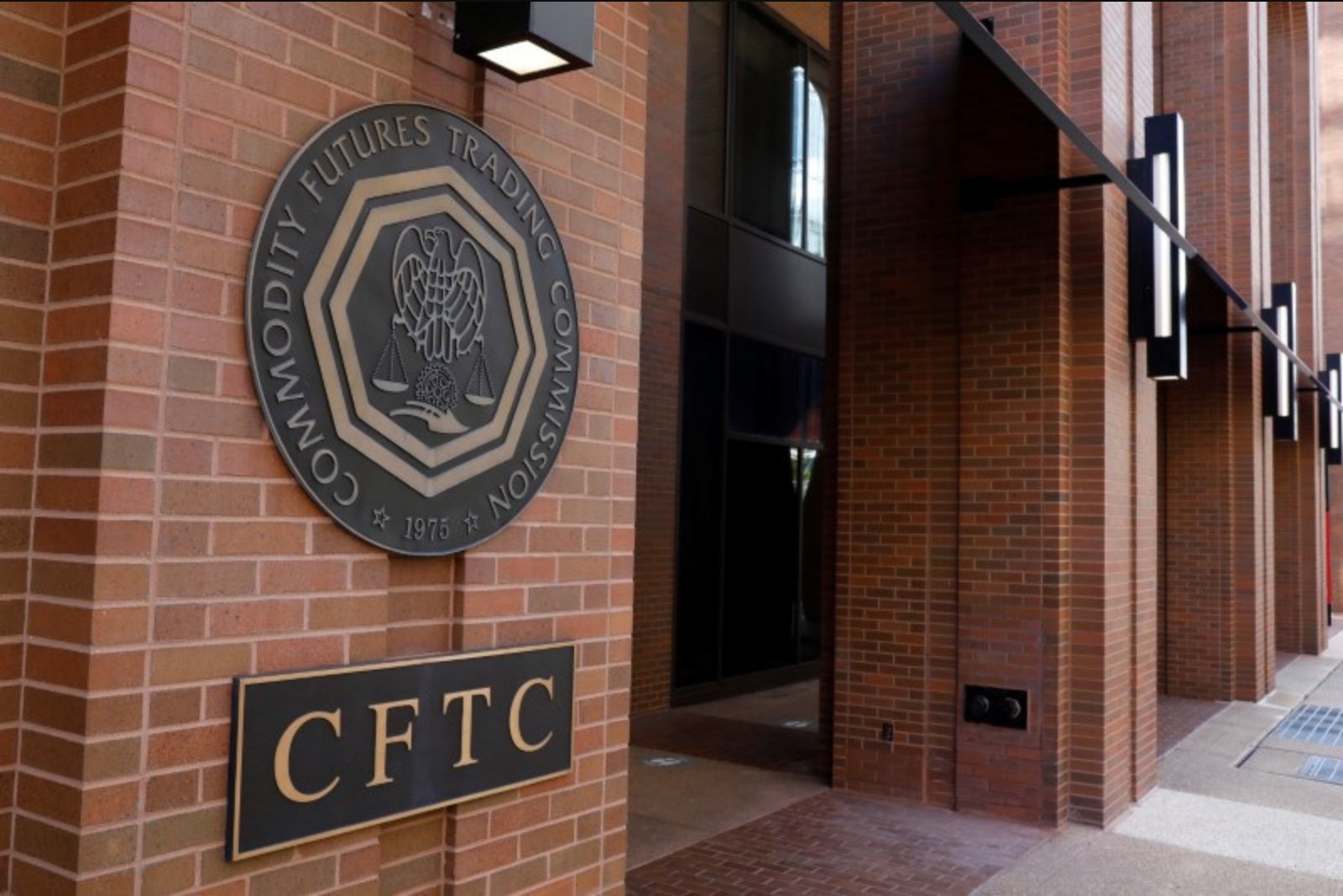
A major legal confrontation has emerged between federal regulators and state authorities as the U.S. Commodity Futures Trading Commission (CFTC) filed a lawsuit on Tuesday to block Minnesota from implementing its first-in-nation ban on prediction markets. The litigation arrives just one day after Democratic Governor Tim Walz signed a measure that will make it a crime to host, operate, or promote such platforms starting August 1.
Prediction markets, which include prominent operators like Polymarket and Kalshi, allow users to engage in trading based on the outcomes of various events, ranging from sports contests to political elections. The legal battle centers on whether these activities fall under state gaming authority or federal financial regulation. Under the current Trump administration, the CFTC has maintained that the event contracts traded on these platforms are classified as "swaps," a specific type of derivative contract that falls exclusively under federal jurisdiction.
Key Developments and Market Implications
The conflict highlights several critical points regarding the evolving landscape of financial derivatives and state regulations:
- Jurisdictional Conflict: The CFTC argues that Minnesota's law is unconstitutional because it attempts to criminalize at the state level the operation of derivative markets that are already governed by federal authority.
- Legal Precedent: This lawsuit follows a pattern of the CFTC intervening in state-level enforcement actions. The agency recently secured a court order preventing Arizona from pursuing criminal charges against Kalshi, a company valued at $22 billion following its recent funding round.
- State-Level Resistance: While the CFTC is fighting these bans, some states have succeeded or are currently litigating similar restrictions. Nevada has managed to secure a court-enforced ban against Kalshi, and Massachusetts' highest court is reviewing an injunction that would prevent Kalshi from offering contracts tied to sports events.
Economic Sector Impact: This dispute directly impacts the financial derivatives and digital asset sectors, specifically those involved in event-based contract trading and the broader prediction market industry.
Risks and Uncertainties
The legal proceedings introduce several risks for participants and operators within this sector:
- Regulatory Uncertainty: The clash between state and federal definitions of "swaps" versus "wagering" creates a volatile environment for companies like Kalshi and Polymarket, which have faced allegations from states that they are running unlicensed wagering operations accessible to individuals under 21.
- Criminal Liability: CFTC Chairman Michael Selig expressed concern that the Minnesota law could instantly transform lawful market participants and operators into felons.
- Social and Economic Concerns: Minnesota Attorney General Keith Ellison has raised concerns regarding the potential social harms of these markets, suggesting they are designed to be addictive and may disproportionately impact low-income individuals and young people. Ellison stated that these markets facilitate wealth transfer from most citizens to the ultra-rich.
As the case moves toward court, the outcome remains uncertain. Attorney General Keith Ellison has indicated that his office is reviewing the lawsuit and intends to respond in court to defend the state's position regarding the potential harms prediction markets pose to its residents.