
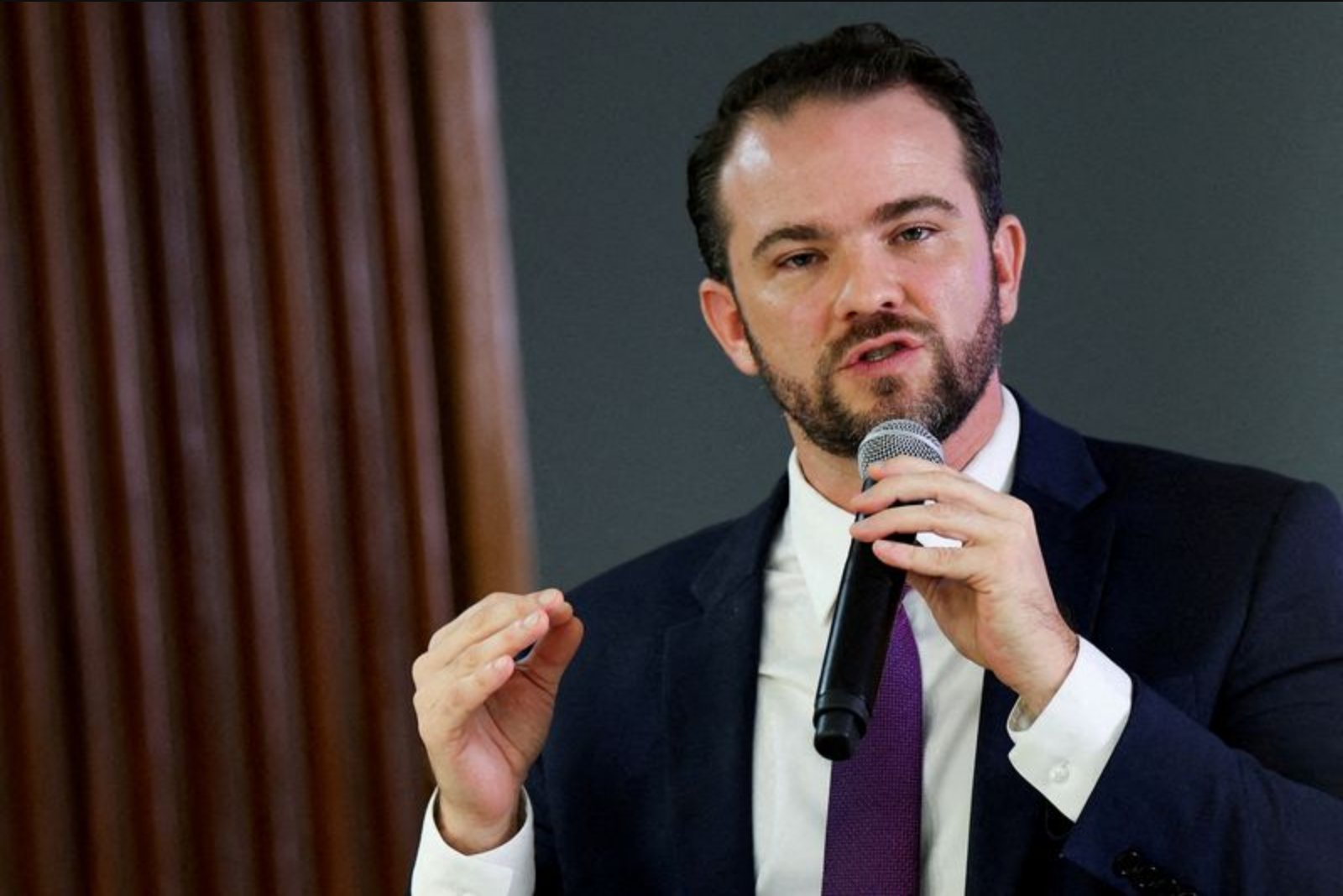
Brazil's federal administration is set to increase spending blocks across various ministries to ensure compliance with this year's established spending cap. This upcoming adjustment was signaled by Finance Minister Dario Durigan on Thursday, ahead of the government's scheduled bimonthly revenue and expenditure report due Friday at 3 p.m. local time (1800 GMT).
Currently, the spending block is set at 1.6 billion reais, which translates to roughly $320 million based on an exchange rate of 5.0055 reais per dollar. The move represents a strategic tightening of departmental budgets to maintain fiscal discipline.
Key Economic Developments
The following points summarize the primary shifts in Brazil's fiscal management:
- Expansion of Budgetary Restrictions: The government is moving toward an increase in the existing 1.6 billion reais spending block to manage ministerial allocations within the annual cap.
- Avoidance of Spending Freezes: Minister Durigan indicated that while restrictions are expanding, the economic team does not see a requirement for a full spending freeze at this stage. Such freezes are reserved for scenarios where missing fiscal targets is an imminent risk.
- Fiscal Consolidation Goals: The administration is focused on a gradual path toward consolidation, which involves curbing rising expenses even as federal revenues remain consistent with previous projections.
Market Impact: These maneuvers primarily influence the public sector and macroeconomic stability, signaling to markets the government's commitment to staying within its defined fiscal boundaries.
Risks and Uncertainties
The following factors represent potential areas of concern or variables for monitoring:
- Fiscal Target Precision: The government is working toward a primary surplus target of 0.25% of GDP, with an allowed tolerance band of 0.25% in either direction. Achieving this remains the central objective of the fiscal strategy.
- Revenue and Expenditure Alignment: While Durigan noted that revenues are currently meeting estimates, the necessity of increasing spending blocks highlights the ongoing challenge of managing rising expenses to meet surplus goals.
Market Impact: Uncertainty regarding whether these expanded blocks will be sufficient to prevent a full spending freeze could influence investor sentiment regarding Brazil's long-term fiscal health.
In March, the government had provided an estimate for a primary surplus of 3.5 billion reais, which represented approximately 0% of GDP for the year. The current strategy seeks to navigate between these previous estimates and the more specific 0.25% GDP target through proactive budgetary management.