
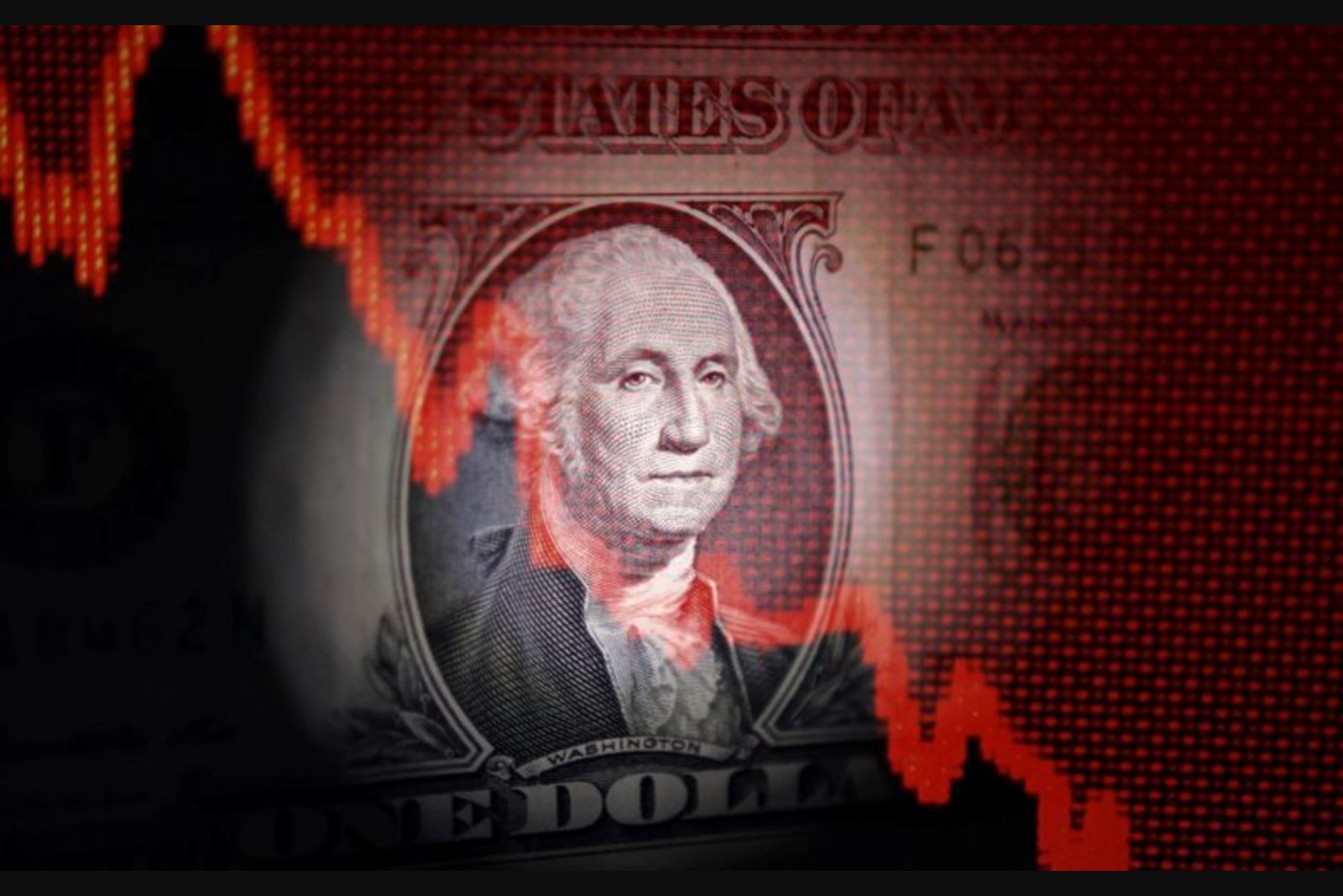
The latest round of selling in U.S. Treasury securities may not be finished. A mix of persistent inflation readings, evolving expectations about Federal Reserve policy and a more price-sensitive investor base are conspiring to keep downward pressure on bond prices and push yields higher over the coming weeks, market participants say.
For several months, many investors saw the 4.5% yield on the benchmark 10-year note as a level attractive enough to re-enter the market. But yields have now surged past that threshold, prompting a re-think about where buyers will next appear. "The question going forward is: will guys really buy here because I believe this (selloff) will continue to persist," said Padhraic Garvey, head of global rates and debt strategy at ING.
Garvey added that the next phase could bring higher yields. "We’re probably headed to 4.75% in the next round," he said, pointing to the underlying pressures that are sustaining the selling.
The 10-year yield was last at 4.62%.
Higher benchmark yields complicate the outlook for U.S. equities because rising borrowing costs affect corporate finances and consumer spending. At the center of the move, however, remains inflation. Recent consumer and producer price reports have surprised to the upside, reinforcing a market view that price pressures are not easing as quickly as hoped.
With additional data due for May, analysts expect inflation to remain elevated. If fixed-income investors conclude that inflation will stay high or even pick up, they will demand higher yields to offset the erosion of purchasing power.
Market-based measures of long-term inflation expectations - the so-called breakevens - climbed to 2.507% on the benchmark 10-year note on Friday, near a three-year high. Breakevens are read in part as a gauge of investor confidence in the Fed’s ability to bring inflation down over time.
Garvey cautioned that even a modest uptick in inflation expectations could meaningfully lift yields. "Even a small increase in inflation expectations - to around 2.6% or 2.7% - could push yields noticeably higher," he said. "That’s how you get the next 10, 20, 30 basis points into the upside in yields very easily." His comments imply the market may not yet have fully factored in the risk of persistent inflation.
Investors are also starting to price in the possibility that the Federal Reserve could keep policy rates higher for longer, or even resume hiking if inflation does not moderate. As the odds of rate cuts diminish, short-term yields have moved higher.
"It’s a different interest rate environment," said Jim Barnes, director of fixed income at Bryn Mawr Trust, describing a market that has shifted tone. "In the absence of any positive news on Iran and combined with data pointing toward inflationary pressures, it’s as if the bond market just threw up its hands and just said we have to reprice the market higher."
The long end of the Treasury curve faces its own set of uncertainties. Guneet Dhingra, head of U.S. rates strategy at BNP Paribas, noted that once 30-year Treasury yields moved above 5%, they effectively lost a clear ceiling. Historically, certain yield levels could act as barriers; once those were breached, yields could move with fewer constraints.
"Now that we have no anchor, what stops bond yields from going up in a world of high inflation, ever-rising deficits, and global bond yield pressure?" Dhingra asked, underscoring the precariousness of long-term yields without an obvious cap.
Another material change is the makeup of buyers in the Treasury market. In earlier cycles, major foreign purchasers - often countries running trade surpluses with the United States - tended to be stable, less price-sensitive holders. Today's buyer base looks different, Dhingra said. Much of the demand is now coming through financial centers - including the United Kingdom, Belgium, the Cayman Islands and Luxembourg - that act as custody hubs for Treasuries used by hedge funds and other financial players. These locations rank among the top seven non-U.S. holders of Treasuries.
The United Kingdom overtook China in March of last year as the second-largest owner of U.S. government debt and now holds nearly $900 billion in Treasuries. That shift in ownership matters because higher yields no longer guarantee a return of demand the way they did when deep-pocketed, less price-sensitive foreign official buyers dominated purchases.
According to Dhingra, investors currently are more cautious and selective. That selectivity means yields can climb further before a stable floor in demand is found, potentially testing higher levels in search of a durable pivot point.
"We’re not finished yet. We’re just in May and inflation rates will be higher," Garvey said, reiterating his view that elevated inflation readings and the market's reaction could continue to drive yields up.
What should investors own right now?
The article included a discussion emphasizing the value of data-driven investment decisions. It noted that relying on intuition can create costly mistakes or analysis paralysis, and that using institutional-grade data and AI-driven insights can help investors identify more promising opportunities. The piece also posed the question, "So what are the best investments of 2026 so far?" followed by a promotional line referencing a flash sale.
Readers should weigh the current dynamics - persistent inflation, shifting Fed expectations and a different buyer profile in Treasuries - when considering fixed-income allocations and the broader impact on interest-rate sensitive sectors.