
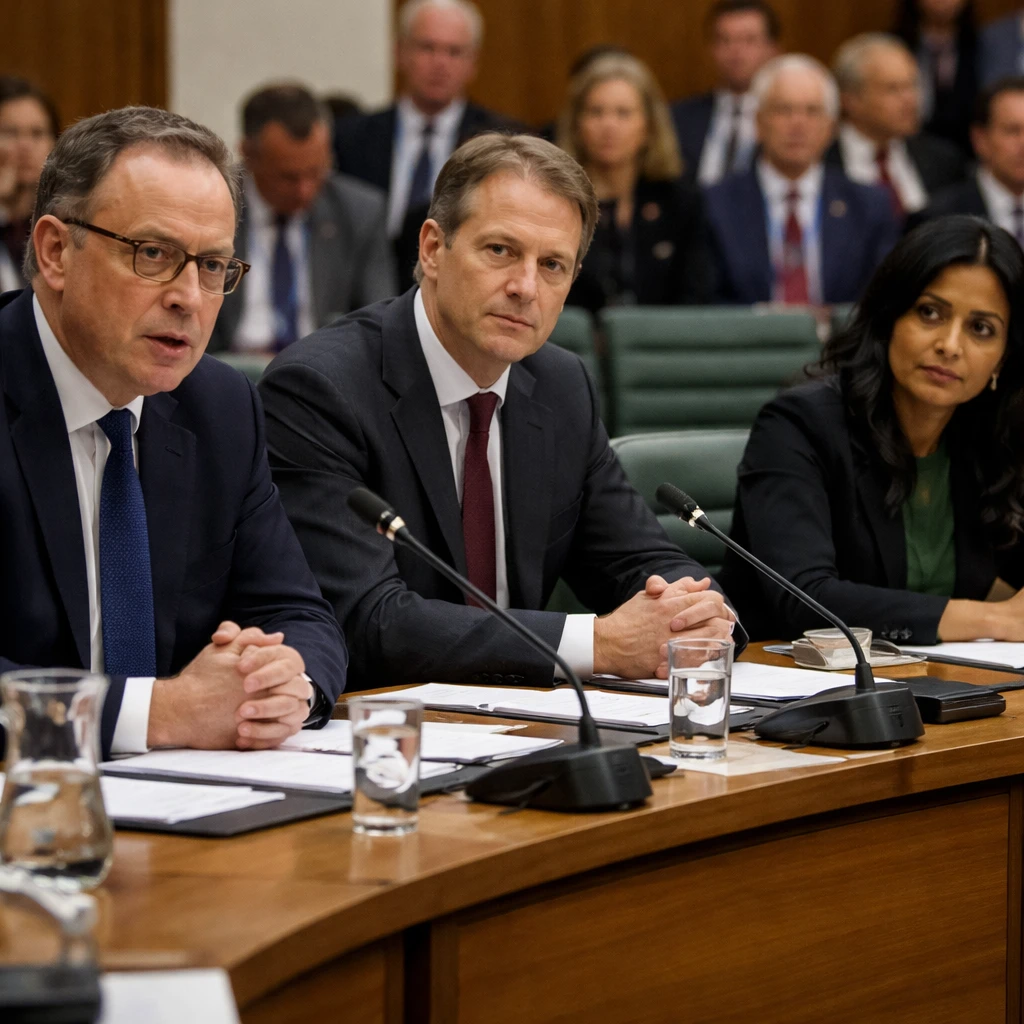
Bank of England Governor Andrew Bailey and rate-setter Swati Dhingra told Parliament on Wednesday that government-mandated caps on grocery prices would not be sustainable over time and risk introducing economic distortions.
Dhingra used India as an example, saying that while price controls there contributed to reductions in historic poverty, they eventually left the agricultural sector highly distorted. Her remarks framed price controls as a short-term relief that can generate long-term structural issues.
The testimony followed a reversal by the Treasury on a proposal to impose limits on supermarket prices. The government abandoned the plan after receiving sharp criticism from retailers; Marks & Spencer chief executive Stuart Machin described the idea as "completely preposterous." Treasury minister Dan Tomlinson confirmed that grocers will not be compelled to cap prices, although he said discussions about cost-of-living support for households remain ongoing.
On monetary policy, Bailey told lawmakers the Bank of England is not rushing to raise the official bank rate in response to a recent inflation uptick that has been linked to the Iran war. He said market expectations have moved away from forecasts of rate cuts toward the prospect of increases, and that this shift has pushed borrowing costs higher through market channels. That market-driven change has, in Bailey's view, effectively tightened financial conditions for households and businesses, affording the BOE additional time to assess developments as growth and labour market indicators ease.
The Bank of England's bank rate is currently 3.75%.
Other BOE officials also addressed the risks ahead. Dhingra warned that worst-case geopolitical scenarios are unfolding, while rate-setter Catherine Mann flagged the possibility that energy shocks could prompt stronger wage demands from workers. Deputy Governor Sarah Breeden said the tightening already implemented by the central bank is sufficient to address inflation risks for the moment, but emphasised that the BOE stands ready to act swiftly and forcefully if the conflict becomes prolonged.
Clear summary
BoE leaders told Parliament that government-imposed food price caps would be unsustainable and could distort markets; the Treasury has dropped its plan to force grocery price limits after retailer pushback. The central bank says it is not hastening to raise interest rates amid a geopolitically linked inflation spike, noting that market moves have tightened conditions and provided time to monitor growth and the labour market. Officials warned of further inflation risks if geopolitical tensions or energy shocks worsen.