
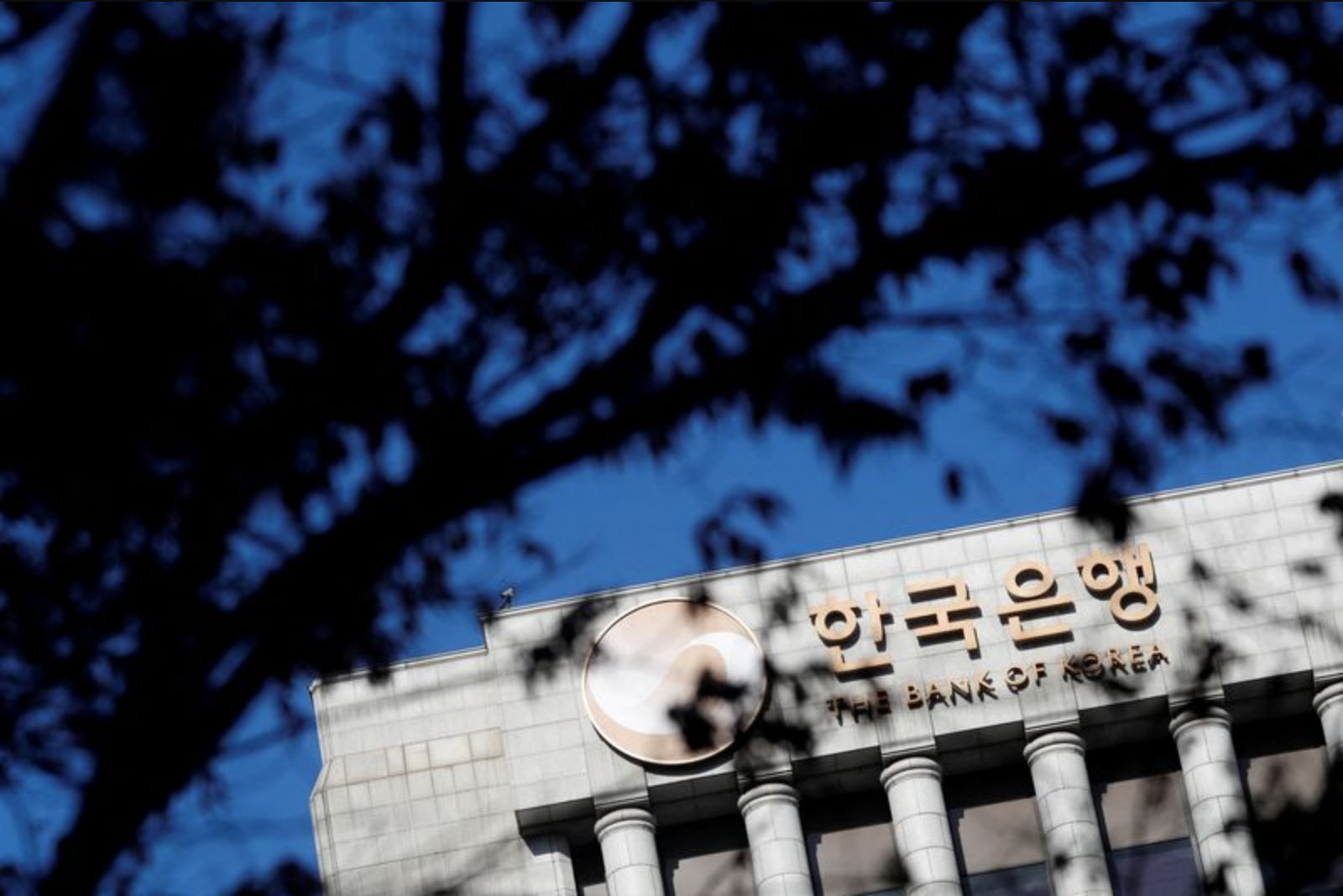
In a move that aligned with broader market expectations, the Bank of Korea's seven-member monetary policy board voted on Thursday to hold its benchmark interest rate at 2.50%. The decision reflects a period of careful observation by central bank officials as they weigh the economic consequences of the ongoing Iran war against domestic price stability and currency strength.
The vote was largely in line with economist predictions, as 30 out of 32 surveyed economists had anticipated a hold. However, two outliers in the group suggested that a rate increase might have been appropriate at this juncture. This decision marks a cautious stance for new Governor Shin Hyun Song, whose upcoming communications will be closely watched to determine if the bank is prepared to escalate interest rates as inflationary risks expand.
Economic Indicators and Forecast Revisions
The central bank has adjusted its outlook for the year, providing a more optimistic view of economic activity while simultaneously warning of higher costs. The growth forecast for the current year has been raised to 2.6%, up from the previous estimate of 2.0%. This revision follows a robust first-quarter expansion of 1.7%, which represented the fastest growth seen in nearly six years.
Conversely, inflation projections have also moved higher. The bank has updated its annual inflation estimate to 2.7%, a significant increase from the 2.2% projection held prior to the onset of the Iran war. This upward revision is driven by the economic spillovers resulting from climbing oil prices.
Market Dynamics and Sector Impacts
Key Economic Drivers:
- Semiconductor-Driven Exports: A massive global demand for semiconductors continues to fuel a strong export cycle for the nation. This trend has contributed significantly to the performance of the KOSPI, which has nearly doubled this year, providing positive momentum for local factories and suppliers.
- Inflationary Trends: Headline inflation is currently surpassing the central bank's 2% target. In April, the rate reached 2.6%, marking the fastest acceleration in nearly two years.
Primary Risks and Uncertainties:
- Currency Volatility: The Korean won has experienced a decline of 4.5% against the US dollar this year. Because the nation relies on Middle Eastern energy imports, a weaker currency effectively pushes inflation directly into domestic factories and supermarkets.
- Geopolitical and Energy Pressures: The Iran war and subsequent rising oil prices pose a threat to growth stability and continue to drive up inflationary pressures.
- Monetary Policy Shifts: There is growing market anticipation for rate hikes. Analysts from Meritz Securities suggest that the policy rate could rise to 2.75% in July, with another hike in October, potentially reaching 3.00% by year-end. These shifts are expected to be driven by a positive output gap, rising housing prices, and increasing inflation expectations.
The shift in market sentiment is evident in recent surveys. While only three of 30 economists predicted a rate hike last month, approximately two-thirds of surveyed economists now expect at least one increase by the end of September.