
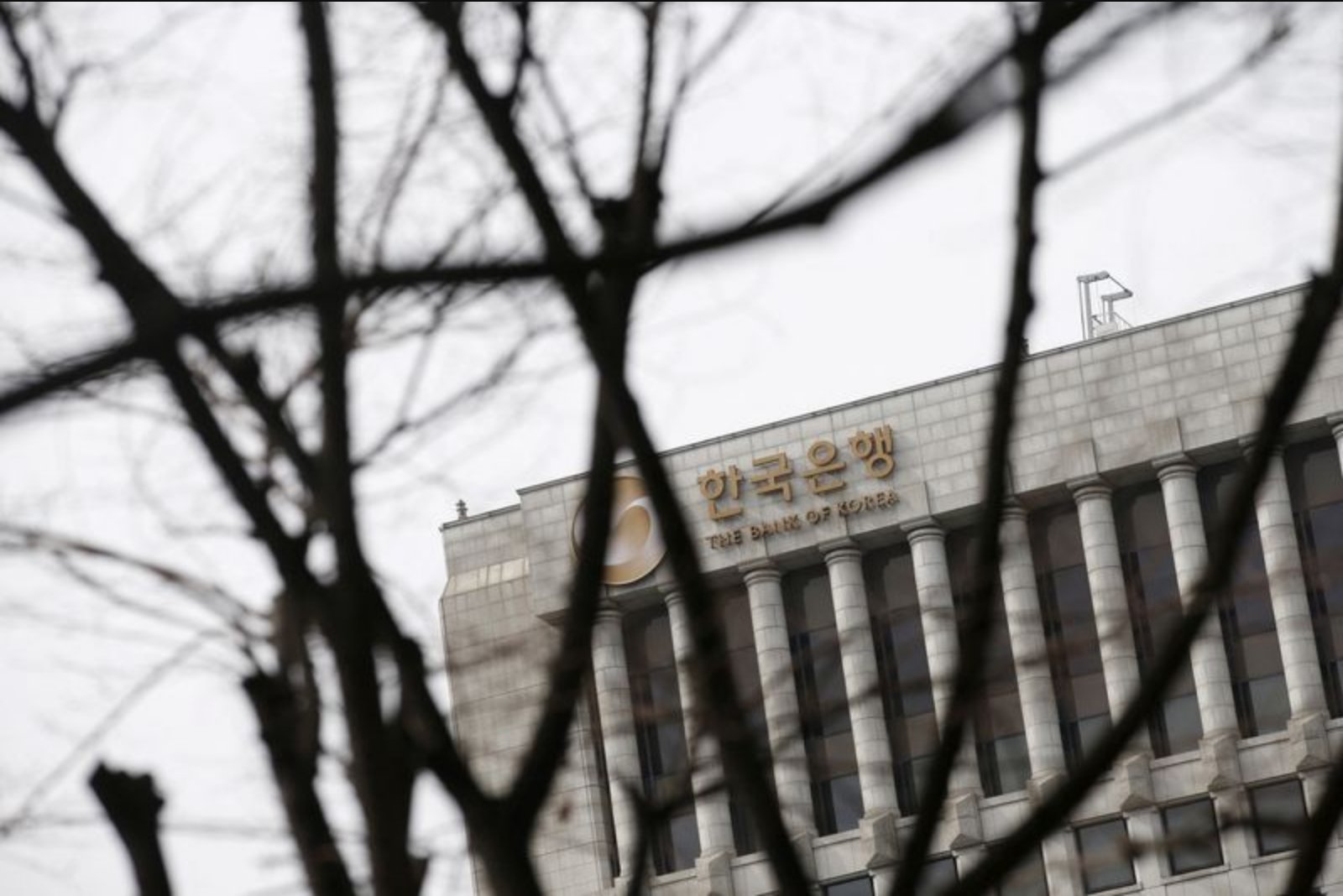
Data from a recent poll of 32 economists conducted between May 19 and May 25 suggests that the Bank of Korea will hold its key policy rate steady at 2.50% on May 28. The consensus is nearly overwhelming, with 30 out of the 32 surveyed experts predicting no change to the base rate during this session. Only two economists in the group forecasted an immediate rate increase.
Despite the expectation for stability on Thursday, the outlook for the remainder of the year has shifted significantly compared to previous months. In a notable pivot from last month's survey - where only three out of 30 economists expected a quarter-point hike - more than 70% (or 21 of 29 respondents) now anticipate at least one rate hike by the end of September. This change reflects growing concerns regarding inflation, which has climbed above the central bank's 2.0% target. The April inflation rate reached 2.6%, marking its highest level in nearly two years.
Drivers of Monetary Tightening
The primary catalyst for this shift appears to be the impact of Middle East tensions, which have sustained oil prices at levels exceeding $100 per barrel for approximately three months. These energy-driven pressures are contributing to a broader inflationary trend. Additionally, the weakness of the Korean won is introducing further risks regarding imported inflation.
Krystal Tan, an economist at ANZ, noted that the arguments for tightening policy are strengthening across multiple dimensions. She highlighted that inflation is not only exceeding targets but shows signs of potentially rising further, supported by upward-trending expectations and persistent energy costs.
Growth Resilience and Economic Outlook
The case for raising rates is further bolstered by expectations that the Bank of Korea will upgrade its gross domestic product (GDP) growth forecast for the current year. The previous projection of 2.0% was established before the onset of the Iran war; an upward revision is now expected following Thursday's review. This potential upgrade follows a robust first-quarter expansion of 1.7%, which represented the fastest growth in nearly six years, even as high energy costs impacted the global economic landscape.
Tan also pointed out that the resilience of economic growth is supported by a strong export cycle within the semiconductor sector. This strength provides the central bank with a sufficient buffer to begin implementing tighter monetary policies if necessary.
Long-Term Projections
Looking further ahead, most economists in the poll anticipate rate increases occurring in the final quarter of 2026. Among the 29 respondents who provided long-term forecasts, 17 believe the base rate will reach 3.00% by the end of 2026. Another six economists expect a rate of 2.75%, while six others anticipate the rate remaining unchanged at 2.50% through that period.