
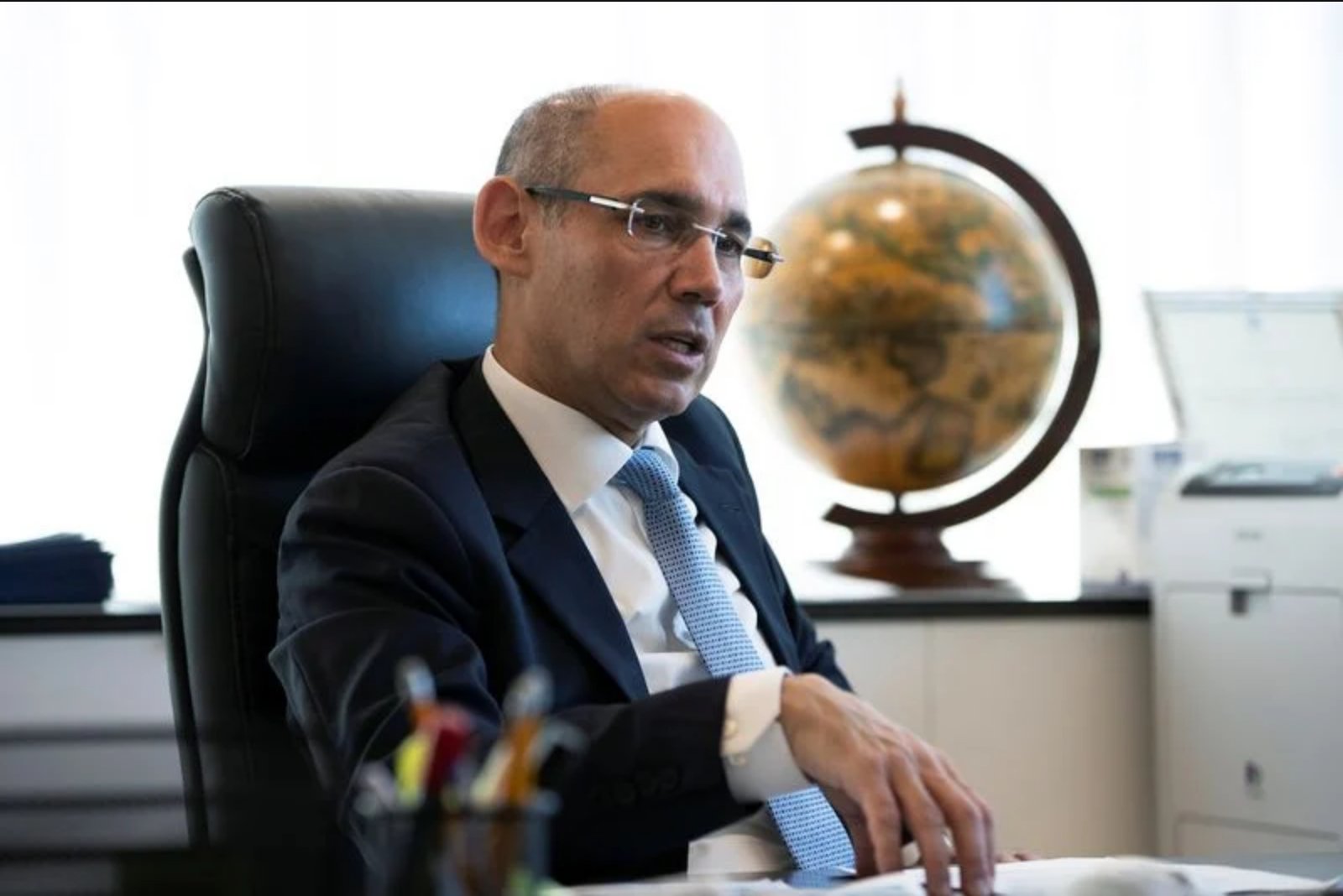
Israel's short-term interest rates could be reduced more swiftly if inflation continues to fall as hopes of a ceasefire with Iran bring down energy costs and strengthen the shekel, Bank of Israel Governor Amir Yaron said on Tuesday.
Speaking at a conference hosted by the Israel Democracy Institute, Yaron said developments since the central bank's May 25 rate decision had prompted a decline in inflation expectations. He pointed to lower oil prices driven by optimism over a ceasefire and a firmer shekel against the dollar as factors that had pulled down expectations.
Yaron noted that, before the May decision, the bond market had priced in an inflation rate of 1.7% for the coming year, comfortably inside the government's 1-3% annual target range. Headline inflation stood at 1.9% in April.
"As inflation expectations decline - and certainly if they approach the lower bound of the target range - this justifies a more accommodative monetary policy and a faster pace of easing," Yaron said.
Policymakers last week trimmed the benchmark interest rate to 3.75% from 4%. That move was the Bank of Israel's first cut since January and the third since cuts resumed in November. Yet the central bank has warned that any further reductions would be gradual amid uncertainty related to the Iran war.
Yaron described the May decision as the result of weighing opposing geopolitical forces: the risk of escalation from continued conflict versus the prospect of an agreement; the potential for energy prices to rise or fall; and exchange-rate pressures in both directions. He added that Israel's risk premium had fallen over the past week as ceasefire hopes grew.
"All of these developments have further lowered inflation expectations," Yaron said.
U.S. President Donald Trump told reporters on Monday that talks with Iran were ongoing and that there would be a deal within the next week to extend a ceasefire struck in early April and to reopen the Strait of Hormuz.
Earlier in the day at the conference, several business figures criticised the central bank's cautious approach, arguing that elevated interest rates had contributed to a 33-year high in the shekel versus the dollar and were weighing on economic activity. After Yaron's remarks, the shekel gave up about 1% to 2.845, having reached a new post-1993 high of 2.80 on Monday.
Yaron defended the monetary committee's stance, saying it had contributed to a decline in inflation. He argued that Israel's economy had demonstrated a solid recovery from the Gaza and Iran wars, showing resilience compared with previous military conflicts.
He added that the principal drag on growth remained supply-side constraints, chiefly in the labour market, where many civilians had been called up for military reserve duty.
Contextual summary
The Bank of Israel is signalling conditional flexibility in its monetary path: if ceasefire-related developments continue to reduce energy costs and lift the currency, thereby lowering inflation expectations toward the lower bound of the 1-3% target, policymakers may move more quickly to ease policy than currently signalled. However, official guidance maintains that future cuts will be gradual while geopolitical uncertainty persists.