
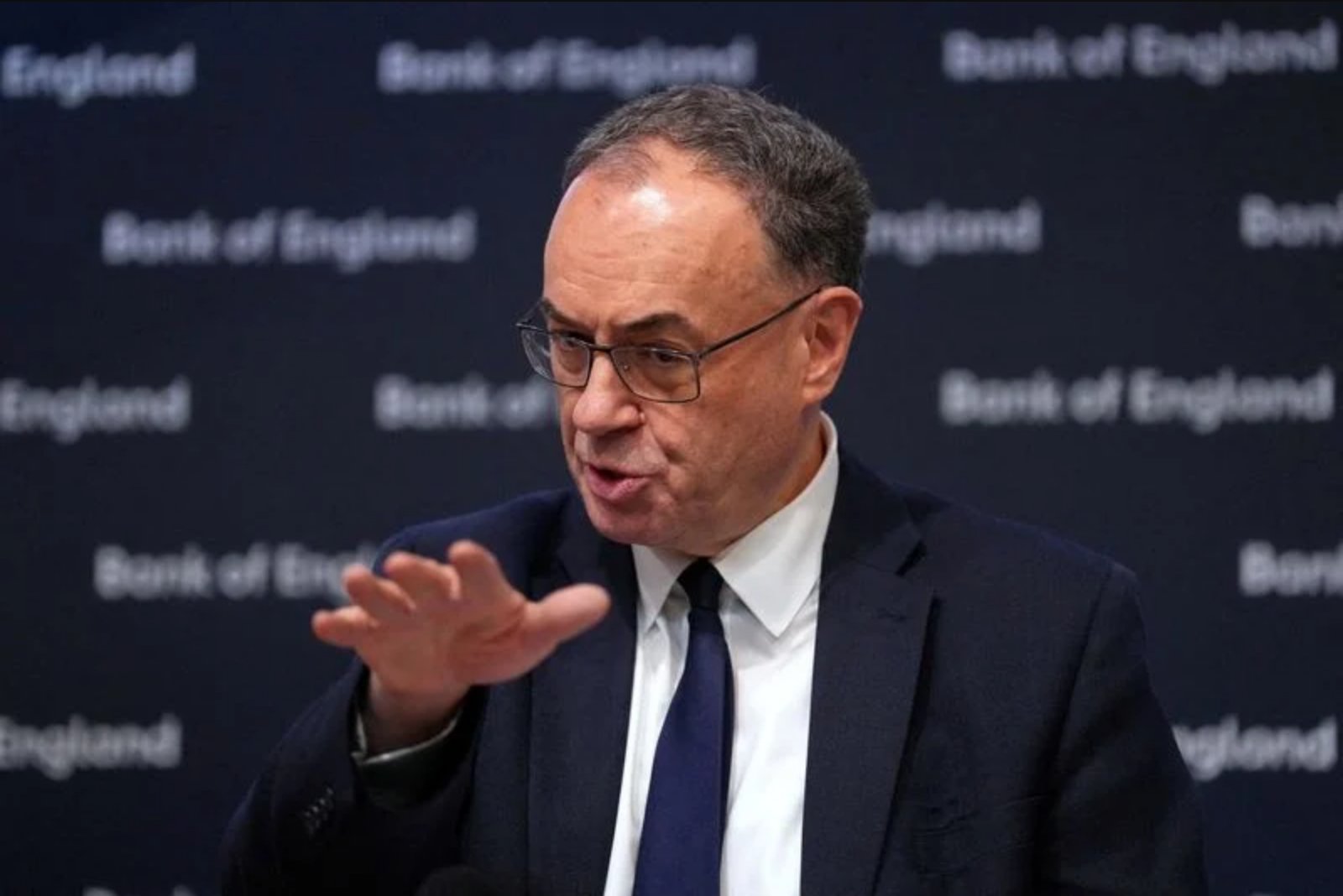
The Bank of England is placing greater emphasis on public-sector pay as a possible source of upward pressure on inflation, Governor Andrew Bailey said in an interview transcript published Monday. For the past year, public wages excluding bonuses have climbed faster than those in the private sector on an annual basis - a 12-month streak not seen since 2021, and previously 2011 - prompting closer monitoring by policymakers.
Historically, the Bank has leaned more heavily on private-sector wage growth when assessing inflationary forces because private pay typically responds more quickly to changing economic conditions and is more likely to translate into higher business prices. Yet Bailey warned that the persistence of faster public pay growth is narrowing that traditional distinction.
"We have got more of a wedge opening up between private-sector pay and public-sector pay," Bailey said. "Traditionally ... we’ve put much more weight on private sector pay because we think it feeds more directly through enterprises. But I think the more that wedge opens up, you start to have a few doubts on that front."
Official data cited by Bailey show public-sector pay rose at an annual rate of 4.8% in the first quarter of 2026, while private-sector pay increased by 3.0% over the same period. Those differentials have driven the Bank to reassess the potential for public pay trends to influence the wider inflation outlook.
Bailey also addressed the recent jump in yields on UK government bonds, noting that 10-year yields - the maturity closely tied to the cost of new government borrowing - climbed to their highest level since 2008. He said the surge was not primarily a reaction to threats to the prime minister's political future, adding that markets did incorporate a short period of domestic political news.
"There was a period for a week or two where there was some UK domestic political news in the market. I don’t think this has been a very significant factor," he said.
While Bailey judged the political noise to be limited, he stressed that the size of the rise in gilt yields - which outpaced comparable moves in U.S. and German yields - highlighted how important balanced public finances are to market confidence. "People can take a message from the market at that point. The fiscal rules are important," he said.
On external risk factors, Bailey told audiences in Reykjavik on Friday that the Bank could afford to adopt a wait-and-see stance regarding the potential inflationary impact of the conflict in Iran when deciding whether to lift interest rates. He said a prospective peace agreement would have to appear durable before it would bring talks of rate cuts back into view for this year.
Asked if a peace deal would bring rate cuts back on the agenda for this year, Bailey said it would have to look durable. "You’d have to be much more confident that this incident is not lasting," he told the interview transcript.
The comments underline the Bank of England's attention to both domestic wage dynamics and external shocks as it gauges the stance of monetary policy amid recent market volatility.