
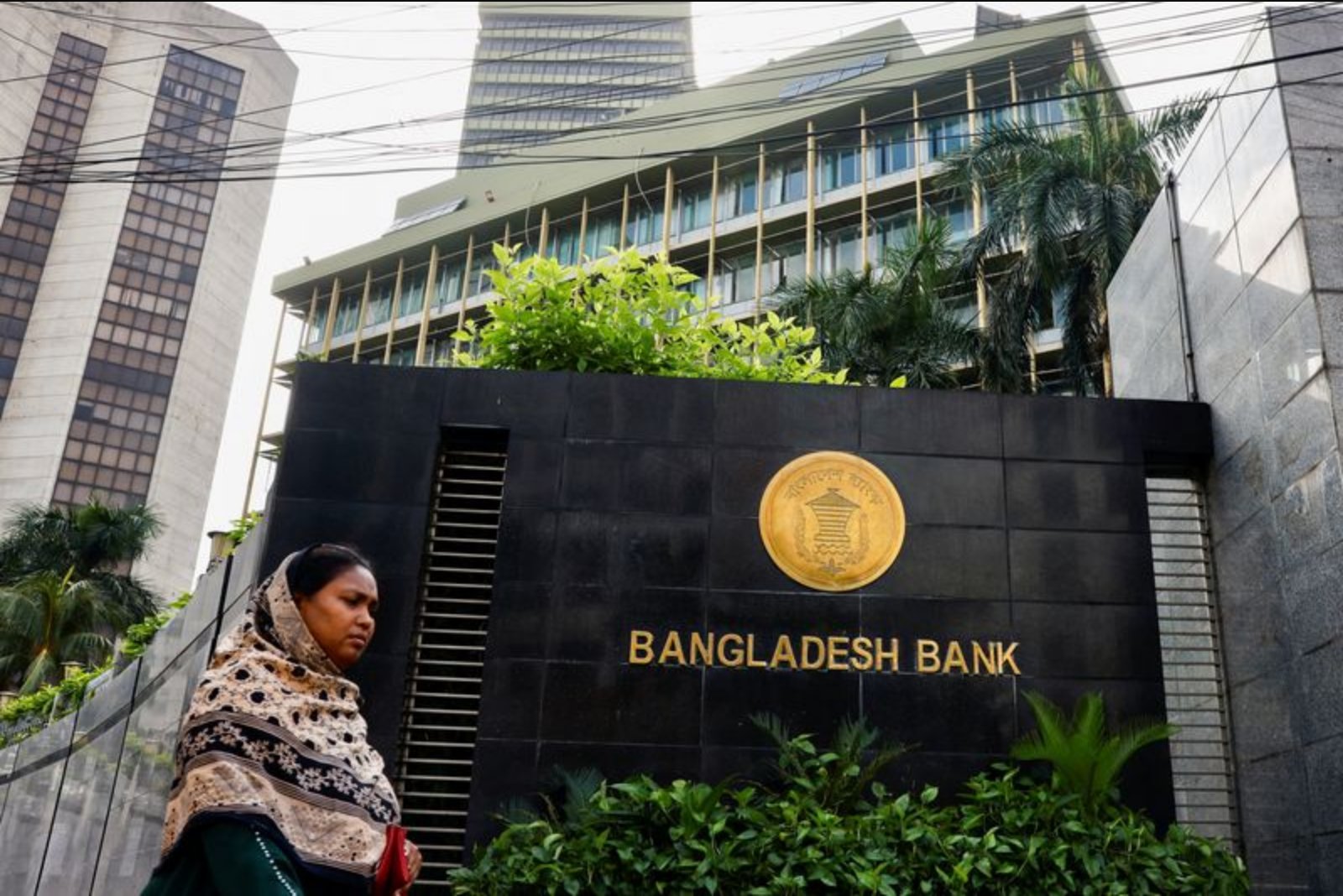
Bangladesh's central bank unveiled a 600 billion taka stimulus package Saturday designed to reactivate shuttered factories, shore up businesses and support employment as economic growth softens. The initiative is intended to restart production, shore up confidence among firms and protect jobs in sectors facing weakened external demand and rising costs.
Governor Mostaqur Rahman said the programme comprises two principal components: a 410 billion taka refinancing facility raised from banks that currently hold excess liquidity and a 190 billion taka fund drawn from the central bank's own resources and guaranteed by the government. The refinancing vehicle will be supported through long-term deposits of at least three years offered at a 10% interest rate.
Officials said the single largest allocation, 200 billion taka, will be dedicated to reopening closed and distressed factories and to providing support for businesses in the service sector. The central bank estimates that that portion of the programme could help generate roughly 250,000 jobs.
In addition, 100 billion taka has been set aside for agriculture and the rural economy to sustain food production and rural employment, authorities added. The refinancing arrangement is expected to prioritise export-oriented industries, with particular emphasis on the ready-made garments sector, which accounts for more than 80% of Bangladesh's export earnings.
The central bank framed the intervention against a backdrop of cooling output. Provisional figures from the Bangladesh Bureau of Statistics show economic growth slowed to 3% in the second quarter of the 2025-26 fiscal year, which ends in June, down from 3.5% a year earlier.
Policy makers cited a range of pressures on the economy. Export-focused manufacturers, especially in garments, have been challenged by weaker global demand, elevated input costs and disruptions in supply chains. Rising import bills have added to macroeconomic strains amid geopolitical tensions in the Middle East, officials said.
Businesses have increasingly sought stronger policy support as high borrowing costs, persistent inflation and tight financing conditions weigh on investment and industrial activity. Economists quoted by officials said that bringing idle factories back into operation and improving access to credit could help stabilise production, preserve jobs and support export receipts.
Currency conversion used by the central bank places the package at roughly $5 billion, based on the exchange rate of $1 = 122.25 taka.