
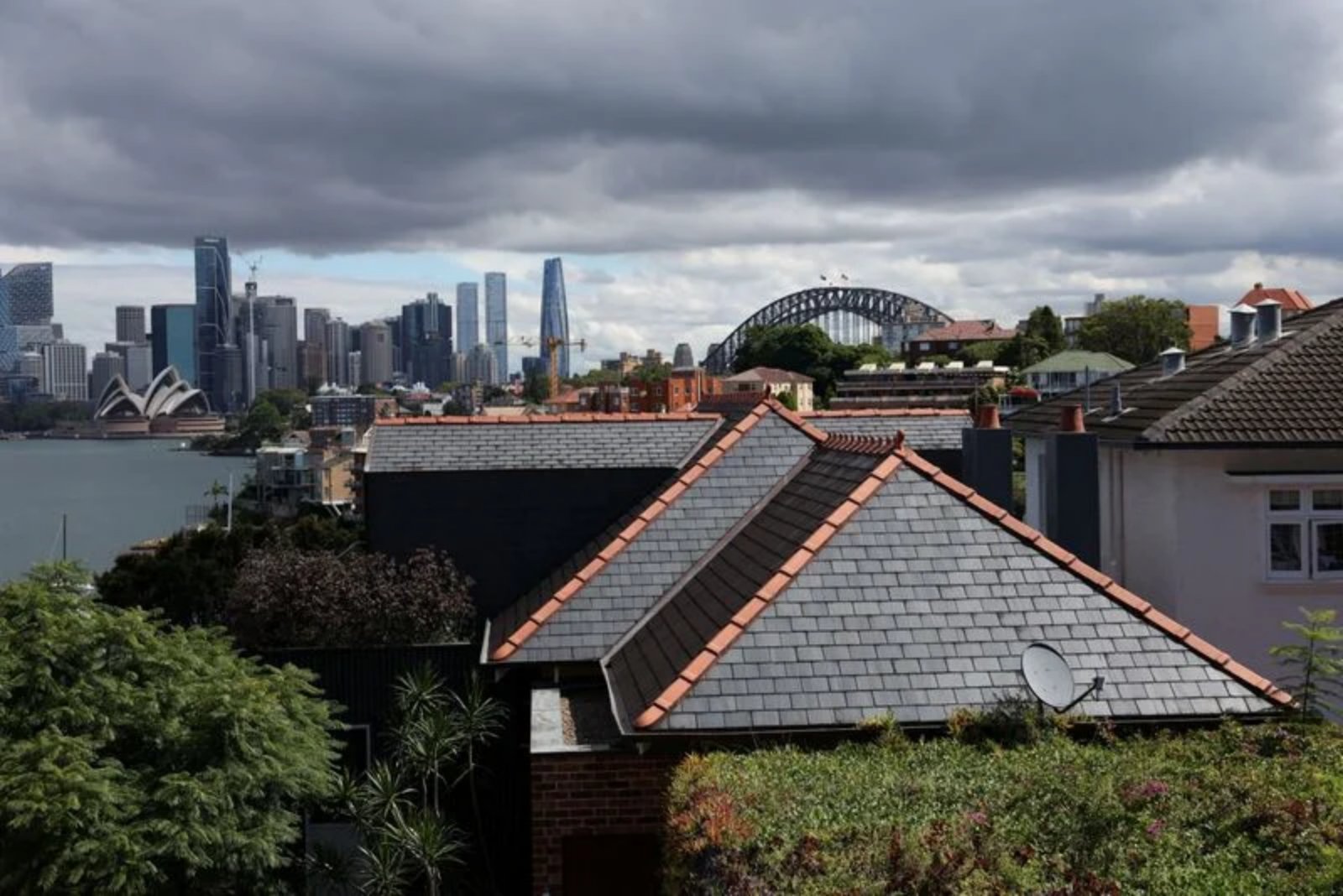
After a sustained period of upward movement that saw home prices hitting record highs starting in early 2025, the Australian property market saw no net change in national valuations throughout May. This plateau follows a series of monthly gains and suggests a cooling phase for an economy facing several overlapping headwinds.
Market Performance and Regional Divergence
The data reveals a notable divergence in performance across different metropolitan areas. The primary drivers of the national flatline were significant declines in major hubs. Specifically, house prices in Sydney dropped by 0.9% in May, while Melbourne saw a decline of 0.8%. These contractions in the largest markets were accompanied by a reduction in sales volumes and an increase in advertised listings, which have risen above average levels in both cities.
The downturn was not limited to high-end segments; even more affordable property sectors within Sydney and Melbourne, which had previously benefited from government incentives aimed at supporting first-time buyers, also experienced price decreases. While other capital cities did not see outright declines, their growth rates slowed significantly compared to previous periods. Perth saw a 1.5% increase, Brisbane rose by 0.9%, and Adelaide recorded a gain of 0.5%, with these modest upturns supported by inventory levels that remain low.
Economic Drivers and Sector Impacts
Several macroeconomic factors are converging to impact the real estate sector and broader consumer sentiment:
- Monetary Policy: The Reserve Bank of Australia has implemented three interest rate hikes this year, occurring in February, March, and May. These increases have brought the rate to 4.35%, effectively reversing the total amount of policy tightening that took place last year to combat inflation.
- Geopolitical Influence: Ongoing conflict in the Middle East has resulted in sharply higher energy costs, which is impacting both business and consumer sentiment.
- Fiscal Policy: Planned changes to property taxes have triggered a wave of selling among investors, contributing to the downward pressure on prices.
Tim Lawless, research director at Cotality, noted that while the speed of valuation changes varies significantly by city, the general direction is becoming more uniform as demand-side headwinds intensify across most markets.
Key Economic Observations
- Real Estate Sector: The cooling in Sydney and Melbourne suggests a shift in market dynamics, particularly for investor-led segments and first-time buyer markets.
- Banking and Finance: The cumulative effect of the Reserve Bank's interest rate hikes to 4.35% directly influences borrowing capacity and mortgage demand.
Identified Risks and Uncertainties
- Inflationary Pressures: Persistent energy costs driven by Middle East tensions pose a risk to consumer spending power and overall sentiment.
- Policy Uncertainty: The transition in property tax structures creates volatility in investor behavior and market liquidity.