
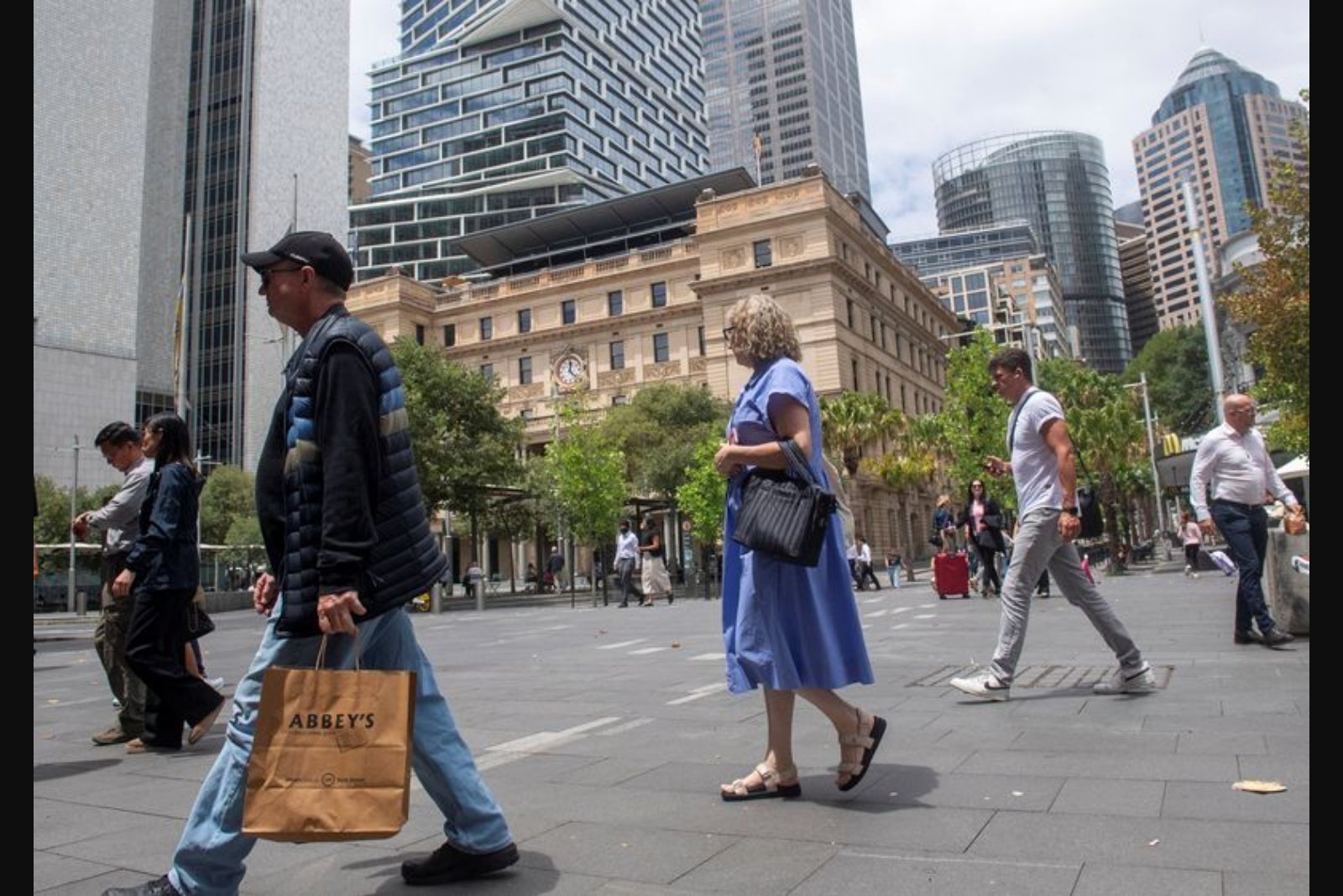
The Australian economic landscape presented a mixed signal this week as latest consumer price index (CPI) figures were released. According to data from the Australian Bureau of Statistics published on Wednesday, headline inflation for April rose by 0.4% compared to the previous month. This figure fell short of median forecasts, which had predicted a more significant monthly increase of 0.6%.
On an annual basis, the pace of consumer price increases slowed to 4.2%, down from the 4.6% recorded in the prior period. This deceleration was notably below the 4.4% annual rate that median forecasts had anticipated. A significant driver behind this slower headline growth appears to be a tax break applied to fuel, which helped temper overall price increases for consumers.
However, beneath the headline cooling, core inflation metrics indicated persistent pressure. The trimmed mean measure of inflation, which serves as a key indicator of underlying price trends, rose by 0.3% in April. This monthly increase aligned with market expectations but pushed the annual rate of core inflation up to 3.4%. This level represents the highest annual pace for this specific metric since late 2024.
Key Economic Indicators and Sector Impacts
- Headline CPI Deceleration: The headline monthly rise of 0.4% and the annual slowdown to 4.2% suggest a cooling in broad consumer pricing, influenced by specific relief in fuel costs. This may impact sectors directly linked to energy and transportation costs.
- Rising Core Inflation: With the trimmed mean annual rate hitting 3.4%, the upward movement in core inflation indicates that price pressures remain embedded in certain areas of the economy. This trend affects broader market expectations regarding monetary policy.
Risks and Economic Uncertainties
- Monetary Policy Risk: The rise in core inflation serves as a signal that interest rates might still be subject to further increases. Such a possibility impacts capital allocation across various market sectors.
- Divergent Inflation Trends: The contrast between slowing headline inflation (aided by fuel tax breaks) and creeping core inflation creates uncertainty regarding the true direction of price stability in the Australian economy.