
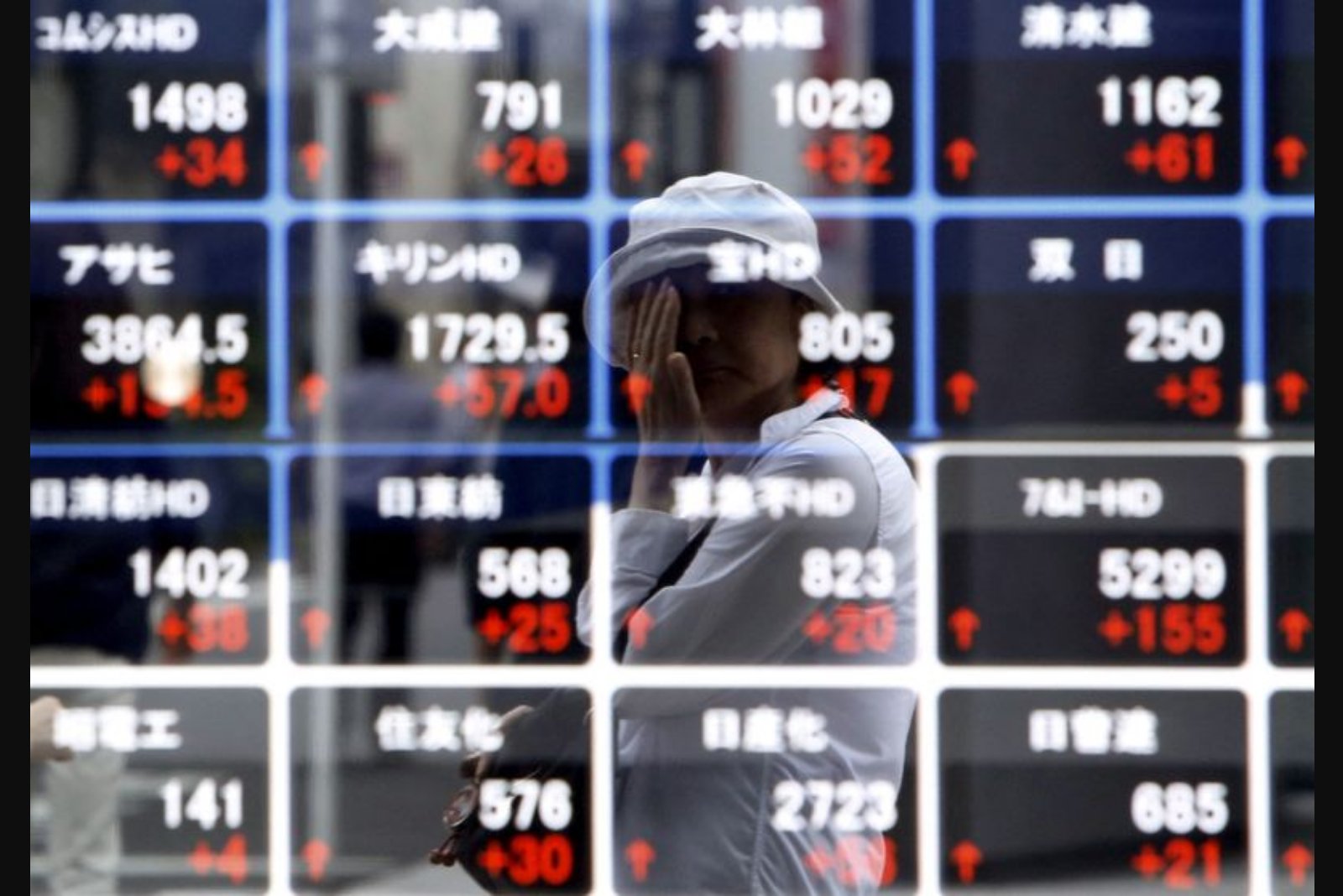
Global markets entered Wednesday with a sense of cautious optimism in Asia, even as energy sectors navigated continued volatility stemming from Middle Eastern tensions. The Nikkei share gauge climbed to a new record high, buoyed by recent all-time highs on Wall Street driven by enthusiasm for artificial intelligence following the U.S. reopening from a holiday period.
Market Performance and Key Drivers
The regional market movement showed significant breadth. MSCI’s broadest index for Asia-Pacific equities, excluding Japan, recorded an increase of 1.2%. Simultaneously, the Nikkei surged by 1.8%, marking a milestone achievement for Japanese equities. In the currency markets, the dollar index remained relatively stable at 99.09, following a 0.15% rise in the previous session. The euro saw a marginal increase of 0.09% to reach $1.1638, while the yen appreciated by 0.05%, trading at 159.19 per dollar.
Commodity markets also showed movement across various sectors:
- Energy: Brent crude was trading near the $100 mark, though it saw a slight decline of 0.52% to $99.06 per barrel, coming after a nearly 4% jump in the prior session. U.S. crude fell by 0.89% to $93.05 per barrel.
- Precious Metals: Spot gold rose 0.36%, reaching $4,522.14 per ounce.
- Industrial Metals: Copper increased by 0.46% to $13,686.50 per metric ton.
- Digital Assets: Bitcoin saw a decline of 0.18% to $75,883.90, while ether remained largely unchanged at $2,075.39.
Geopolitical Friction and Energy Volatility
The stability of the energy market remains tethered to the diplomatic situation between Washington and Tehran. Markets are looking for indications regarding whether a fragile truce between the United States and Iran will be maintained. Tensions escalated following claims from Iran's foreign ministry that U.S. strikes in the southern Hormozgan province constituted a "gross violation" of existing ceasefire terms. The United States has characterized these actions as defensive.
U.S. Secretary of State Marco Rubio suggested that reaching an agreement to end the conflict could take several days. Meanwhile, reports from Iran's Tasnim news agency indicated that Tehran is pursuing the release of $24 billion in funds currently frozen in overseas accounts. This three-month-long conflict has significantly impacted energy markets, and investor sentiment remains sensitive to whether a lasting halt can be achieved.
Central Bank Outlook
Monetary policy discussions are becoming increasingly central to market analysis. In Tokyo, Bank of Japan Governor Kazuo Ueda noted that looming supply shocks are a significant concern. In Europe, ECB board member Isabel Schnabel suggested that an interest rate hike could be implemented in June, regardless of whether a peace deal is reached between the U.S. and Iran. In New Zealand, the dollar remained lower as the market anticipates the Reserve Bank of New Zealand holding its key rate at 2.25%. Additionally, markets are focused on upcoming April consumer price data from Australia.
Key Economic Impacts
- Equities and Technology: The surge in the Nikkei highlights the impact of AI-driven optimism on equity valuations, particularly following Wall Street trends.
- Energy Sector: Commodity prices, specifically Brent and WTI crude, are heavily influenced by the U.S.-Iran ceasefire status and potential supply disruptions.
- Currency Markets: Central bank decisions in New Zealand and the broader commentary from the ECB and Bank of Japan are driving fluctuations in the yen, euro, and New Zealand dollar.
Risks and Uncertainties
- Geopolitical Instability: The lack of a tangible, comprehensive deal between the U.S. and Iran poses a risk to energy price stability and overall market sentiment. As noted by Kyle Rodda of Capital.com, much of the "good news" may already be priced in, creating potential for disappointment if a formal agreement is not announced.
- Inflationary Pressures: Supply shocks mentioned by Bank of Japan Governor Ueda and the upcoming Australian inflation data present uncertainties regarding how central banks will manage interest rates to combat inflation.
- Policy Divergence: Differing stances among central bankers, such as Isabel Schnabel's advocacy for a rate hike despite potential peace deals, introduce uncertainty into global capital allocation and interest rate expectations.