
Torsten Slok, chief economist at Apollo Global Management Inc., warned that the current expansion in artificial intelligence infrastructure spending could produce inflationary pressures that make it harder for Federal Reserve Chair Kevin Warsh to move quickly toward interest-rate cuts.
"We’ll probably have to wait a little while for that because initially the AI boom will certainly be inflationary," Slok said on Bloomberg Television’s Surveillance on Monday. He pointed to several direct cost channels underpinning that view, including rising prices for semiconductors, higher energy costs and upward pressure on wages.
"We should actually expect the AI data-center buildout to be inflationary rather than disinflationary," Slok added, framing the wave of spending on data-center equipment and construction as a near-term driver of higher input costs rather than an immediate source of productivity-led price relief.
Warsh has previously suggested that productivity gains from AI could ease the path for looser monetary policy over time. Slok’s comments highlight a more immediate tension between the large capital investment cycle now underway and the Federal Reserve’s inflation mandate.
Inflation remains above the Fed’s 2% objective. The personal consumption expenditures price index measured 3.8% in April, the highest reading since 2023. Warsh is set to preside over his first Federal Open Market Committee meeting on June 16-17.
Market participants have adjusted expectations for Fed action as the cost implications of the AI build-out become clearer. Traders currently place roughly an 80% probability on the Fed raising rates this year, Slok said, attributing that outlook to construction-related increases in chip and power costs. He also cited the lagging effects of tariffs and higher energy prices as contributors to the persistence of inflationary pressures.
Investor expectations shifted sharply at the start of the year. Prior to the event on Feb. 28 when the United States and Israel launched their attack on the Islamic Republic, markets were pricing in more than two rate reductions by the Fed by the end of the year.
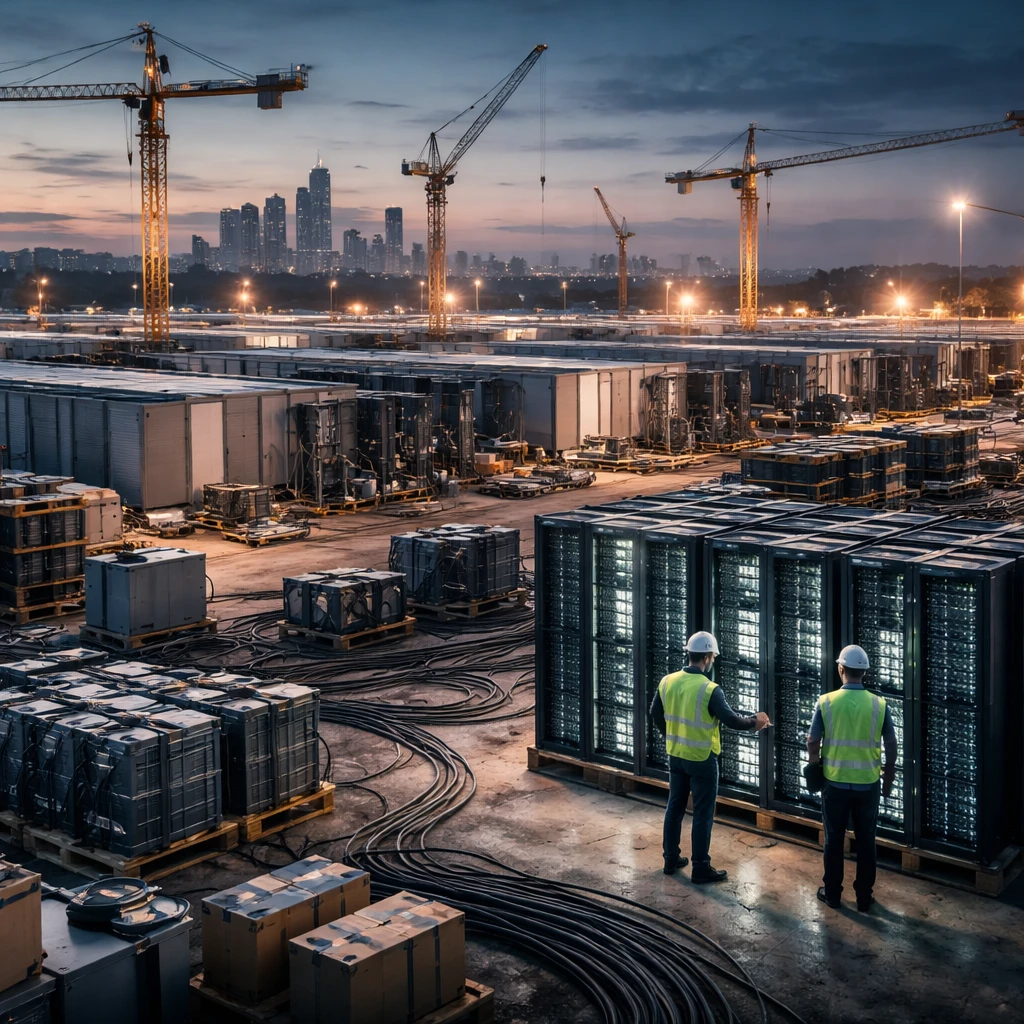
Separately, the largest U.S. technology companies plan to deploy substantial capital this year in support of AI initiatives. Those firms intend to spend as much as $725 billion on capital expenditures, primarily on equipment for AI data centers, a scale of investment that underscores the magnitude of the build-out Slok referenced.
What to watch next
Upcoming Fed communications and the June 16-17 FOMC meeting will be important indicators of whether policymakers see near-term inflation risks from AI-related investment as sufficient to delay easing. Market pricing of rates will respond to fresh data on input costs, inflation readings and corporate capex announcements tied to AI infrastructure.