
Outlook at a glance
The African Development Bank (AfDB) projects economic growth across Africa will slow to 4.2% in 2026, down from 4.4% in 2025, with a recovery back to 4.4% pencilled in for 2027. The bank cautioned that the estimate could be revised downward should the Iran war extend beyond current expectations.
Conflict as a downside risk
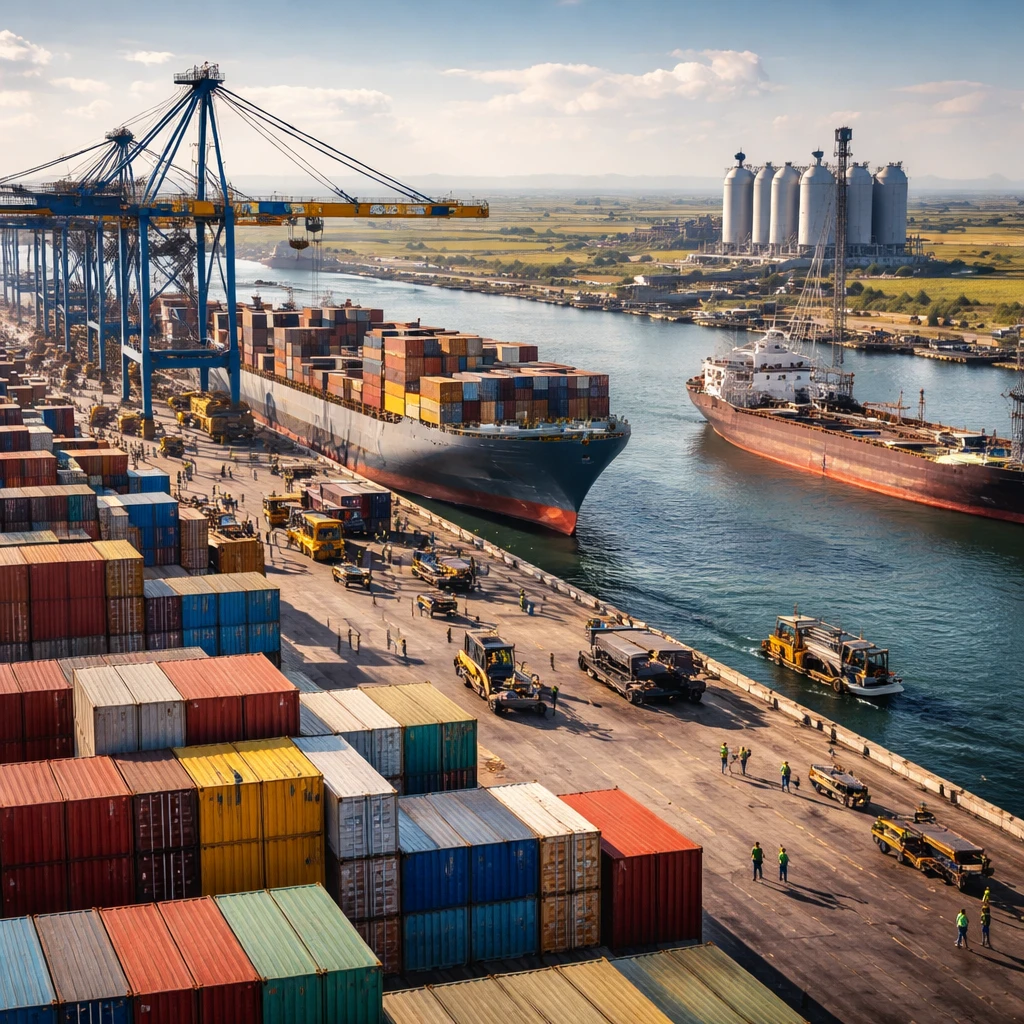
The AfDB highlighted the conflict that began in late February as a key source of pressure on the regional outlook. Disruptions to shipping through the Strait of Hormuz have contributed to increases in energy, food and fertilizer prices. The bank quantified a scenario in which the war lasts between three and six months: under that outcome, real GDP growth for Africa would fall by 0.4 percentage point to 4.0% in 2026.
Uneven regional impacts
The economic effects of the conflict are not distributed evenly across the continent. The AfDB expects West Africa's aggregate activity to be broadly similar to 2025 levels. By contrast, growth in East Africa is forecast to slow to 5.9% in 2026 from 6.6% in the previous year, while Southern Africa is seen easing to 2.1% from 2.3%.
Policy advice to oil exporters
Faced with higher crude prices tied to the conflict, the bank urged oil-exporting countries to channel windfall revenues into sovereign wealth funds or similar counter-cyclical buffers. The AfDB framed such savings as a way to shield economies from an anticipated post-war correction in oil prices.
Inflation and monetary policy
Inflation across Africa is forecast to average 10.4% this year, a revision 0.9 percentage point higher than the AfDB's prior estimate but still down from 13.7% in 2025. The bank attributes the decline in headline inflation to stronger agricultural output and tighter monetary policy. It also notes that inflation is expected to remain below 5% in 26 African countries this year.
The AfDB emphasized the role of central banks in anchoring long-term inflation expectations. It said African monetary authorities should adopt prudent monetary and exchange-rate policies tailored to their domestic circumstances and act decisively to prevent higher energy prices from producing second-round effects that push broader price growth higher.
Note on limits - The AfDB's projections and scenario estimates referenced here are those presented in its annual economic outlook. The bank's conditional scenario for a three- to six-month conflict and the numerical growth and inflation forecasts are as reported in the outlook.