
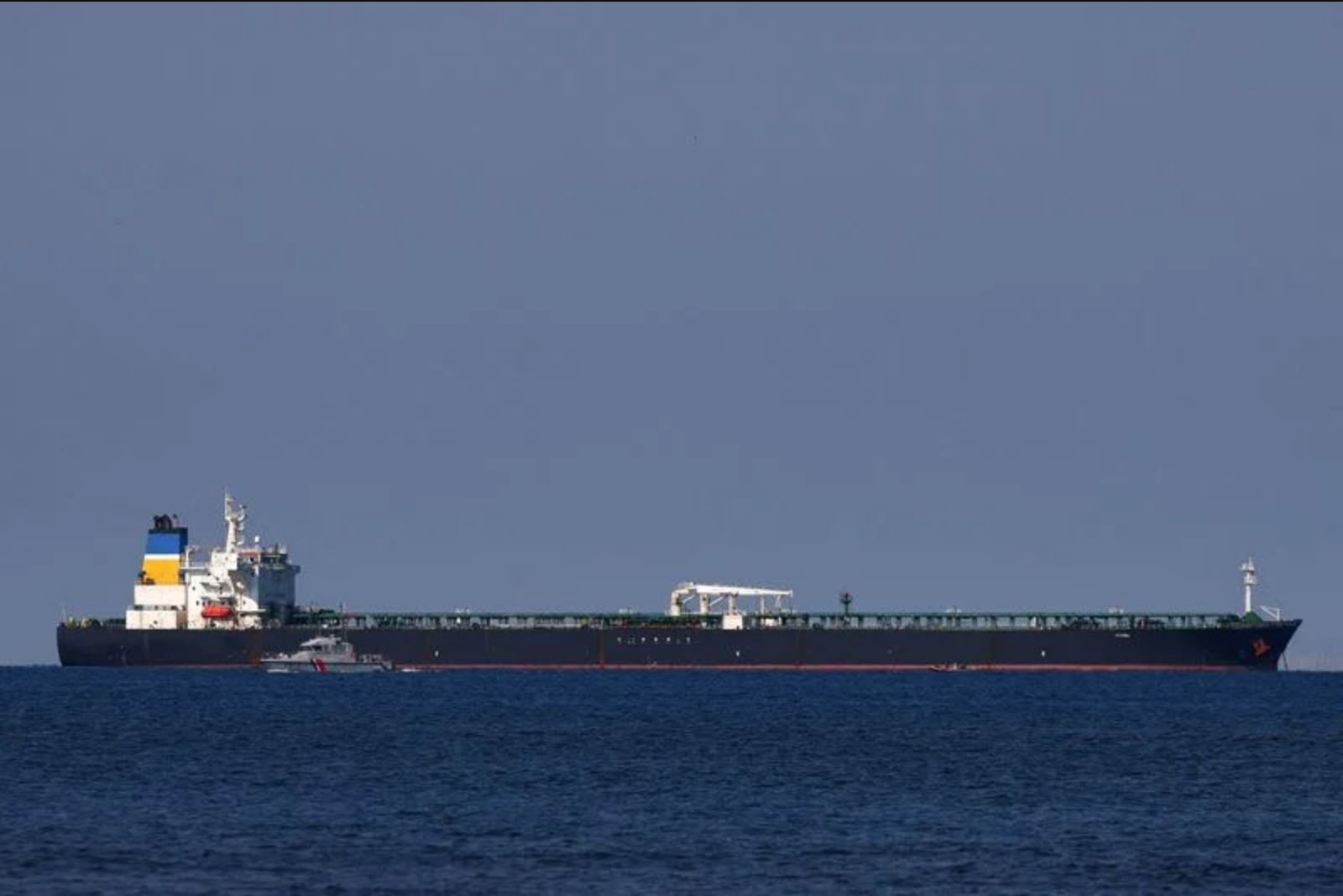
WASHINGTON, June 17 - The U.S. Treasury on Wednesday allowed a waiver of sanctions on Russian seaborne oil to lapse at midnight without issuing a published extension, but the White House and other administration officials stopped short of saying whether the lapse signals an immediate re-imposition of sanctions.
The waiver had been used during the war on Iran to ease pressure on vulnerable economies facing energy shortages. That policy stance may be revisited following a memorandum of understanding between Washington and Tehran to end the war, a development that the administration says will permit more Middle Eastern oil to enter global markets.
Speaking at the G7 summit in France, President Donald Trump declined to commit to reapplying sanctions on Russia. "We are looking at that. We’re seeing how far the price of oil comes down, it’s, it’s really tumbling," he told reporters. A day earlier, Trump suggested ending the waiver could allow the re-imposition of sanctions, saying, "Soon we’ll be able to do that, because the oil is now flowing," from the Middle East.
Last year the administration imposed sanctions on major Russian oil companies Rosneft and Lukoil as part of efforts to deprive Moscow of oil revenues and pressure Russia over its war in Ukraine. Russia remains one of the world's top oil exporters, alongside the United States and Saudi Arabia.
The U.S. has in recent months permitted the waiver to lapse only to extend it again several days later. On this occasion, neither the White House nor the Treasury Department's Office of Foreign Assets Control provided an immediate comment on the waiver's expiration.
A senior U.S. official said Tehran could begin selling oil right away after a ceremony expected later this week to sign the deal, though it could take months for oil and gas flows to return to normal levels. International Energy Agency head Fatih Birol has described the Iran war as causing the largest disruption in the history of global energy markets.
On June 4, Russian President Vladimir Putin's special envoy Kirill Dmitriev - who participated in discussions with U.S. officials about prior waiver extensions - said U.S. officials recognized the role waivers played in stabilizing markets. The Kremlin also said on Sunday that U.S. envoys Steve Witkoff and Jared Kushner, who have led U.S.-brokered negotiations related to ending the war in Ukraine, will visit Russia soon.
Market context
Officials point to an increase in Middle Eastern oil flows as a factor that could allow Washington to tighten sanctions policy by ending the waiver. At the same time, comments from senior U.S. officials and energy agency leadership underline that normalizing supply chains and bringing flows fully back to pre-conflict levels may require months.
The expiration of the waiver without a clear, public follow-up decision leaves energy markets, oil producers, and trading desks assessing the potential for renewed restrictions on Russian seaborne shipments and the broader implications for global oil supply and prices.