
Commodities June 17, 2026 12:33 PM

Trump Says He Backed Iran Deal to Avoid 'Economic Catastrophe' at G7 Close

President frames peace agreement as a safeguard against market and supply shocks after regional conflict escalated

By Avery Klein
Share
Twitter Reddit Facebook LinkedIn

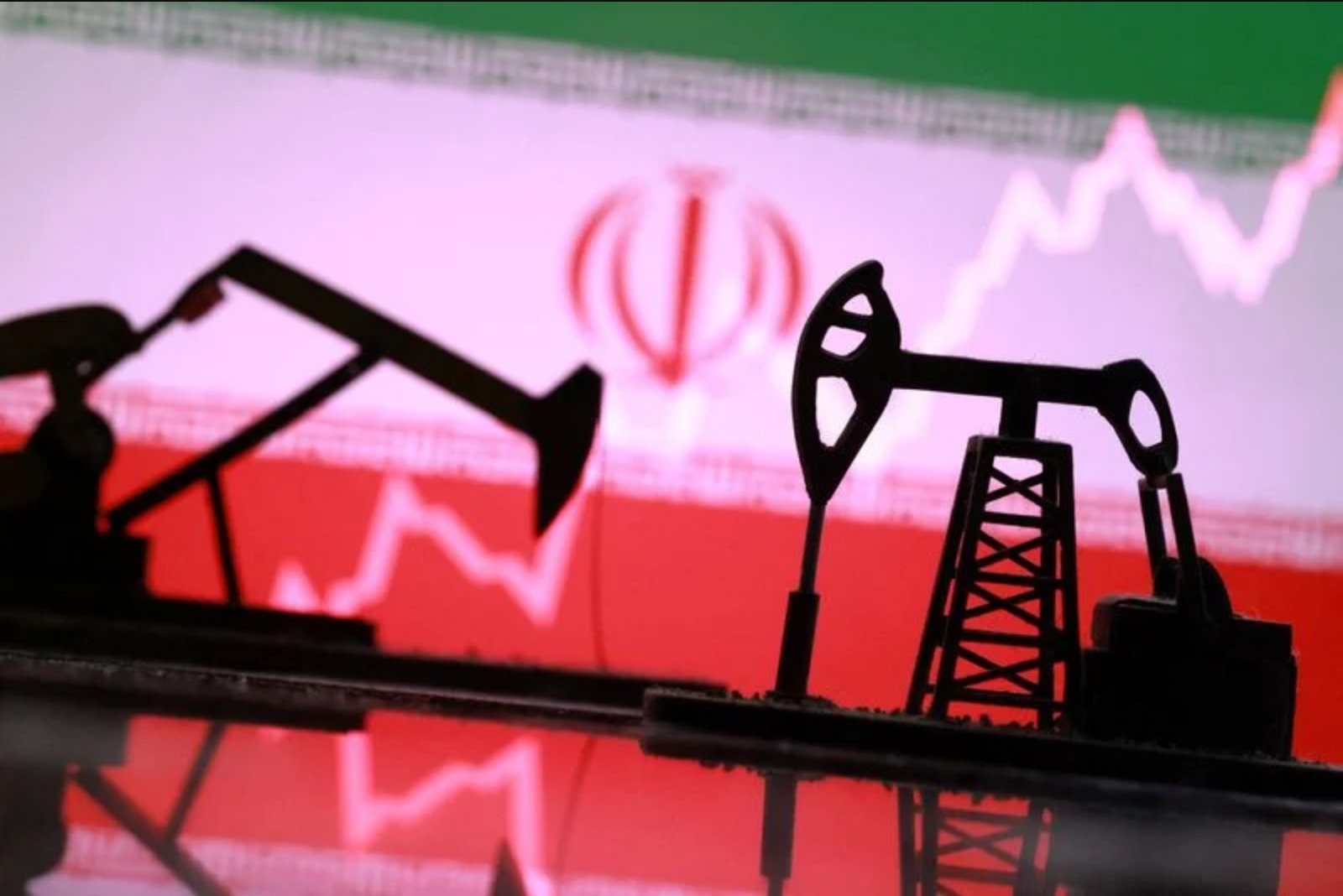
At the conclusion of the G7 summit in Evian-les-Bains, President Donald Trump defended the United States' acceptance of a peace deal with Iran, saying he acted to prevent what he described as a potential economic catastrophe. The regional war that erupted after strikes on Iran has already driven up energy costs, intensified inflationary pressures and raised fears of food shortages in developing nations. Economists and sector analysts warn that while the agreement is positive for the global economy, risks remain if it unravels and restoring trade and fuel supplies could take months to a year.

Trump Says He Backed Iran Deal to Avoid 'Economic Catastrophe' at G7 Close
Summarize with
ChatGPT Perplexity Claude Grok Gemini

Key Points

  • President defended the Iran peace deal at the end of the G7 summit, saying he sought to avoid an "economic catastrophe."
  • The conflict that began with strikes on Iran on February 28 has driven energy prices higher and contributed to renewed inflationary pressure, affecting markets and trade.
  • Restoring normal trade flows and bunker fuel supplies is expected to take months, with some fuel and maritime analysts estimating up to a year for full normalization.

Speaking to reporters at the lakeside resort of Evian-les-Bains at the close of the G7 summit in France, President Donald Trump defended the United States' decision to endorse a peace deal with Iran, saying his priority was to prevent a deep economic downturn.

"So the one thing I didn’t want to see is, I didn’t want to see economic catastrophe. If you kept this going, that could have happened," the president told the assembled press corps.

He additionally invoked the memory of the U.S. presidency during the 1929 market collapse, saying he did not want to be like Herbert Hoover, who held the presidency in October 1929 when the stock market crash led to the loss of billions of dollars and helped trigger what became known as the Great Depression.

The regional conflict, which began after U.S. and Israeli strikes on Iran on February 28 and subsequently broadened, has had immediate macroeconomic effects, according to observers cited in the briefings surrounding the summit closure. Energy prices have risen sharply, contributing to renewed inflationary pressures, and there are growing concerns about a pronounced food supply crisis in developing countries.

Economists responding to the deal described it as favorable news for the global economy, while cautioning there are substantial risks if the agreement collapses and the fighting intensifies. They note that normalizing trade flows will not be instantaneous and could require months or more, slowing the recovery of global commerce.

Analysts focused on the fuel and maritime sectors add that logistical and supply-chain disruptions will take time to resolve. Their assessments indicate bunker fuel provision and other ship-fueling operations may need up to a year to return to pre-conflict norms, prolonging elevated transport costs and complicating supply routes.


Context and consequences

  • President framed the deal as a defensive economic measure aimed at averting wider market damage.
  • Immediate effects of the regional conflict include higher energy prices and renewed inflationary pressures.
  • Concerns persist about food supply disruptions in developing countries and prolonged disruptions to maritime fuel and trade flows.

Risks

  • If the peace agreement fails and the conflict escalates, economists warn of substantial downside risks to the global economy - impacting markets and investor sentiment.
  • Prolonged disruptions in shipping fuel and trade routes could extend supply-chain stress, affecting energy, maritime transport and sectors dependent on timely imports.
  • Elevated energy prices and renewed inflationary pressures risk further straining food supply chains in developing countries, exacerbating vulnerabilities in the agricultural and food sectors.

More from Commodities

Trump Says Iran Sanctions Could Be Lifted 'When They Behave' Jun 17, 2026 European Gasoline Margins Slide After Trump Flags Iran Ceasefire Uncertainty Jun 17, 2026 Trump Says Investigation Shows 'Nobody' Intentionally Struck Iranian Girls' School Jun 17, 2026 U.S. Lets Sanctions Waiver on Russian Seaborne Oil Lapse as Officials Weigh Next Steps Jun 17, 2026 U.S. Crude Stocks Fall Sharply as Refineries Ramp Up Runs Jun 17, 2026