
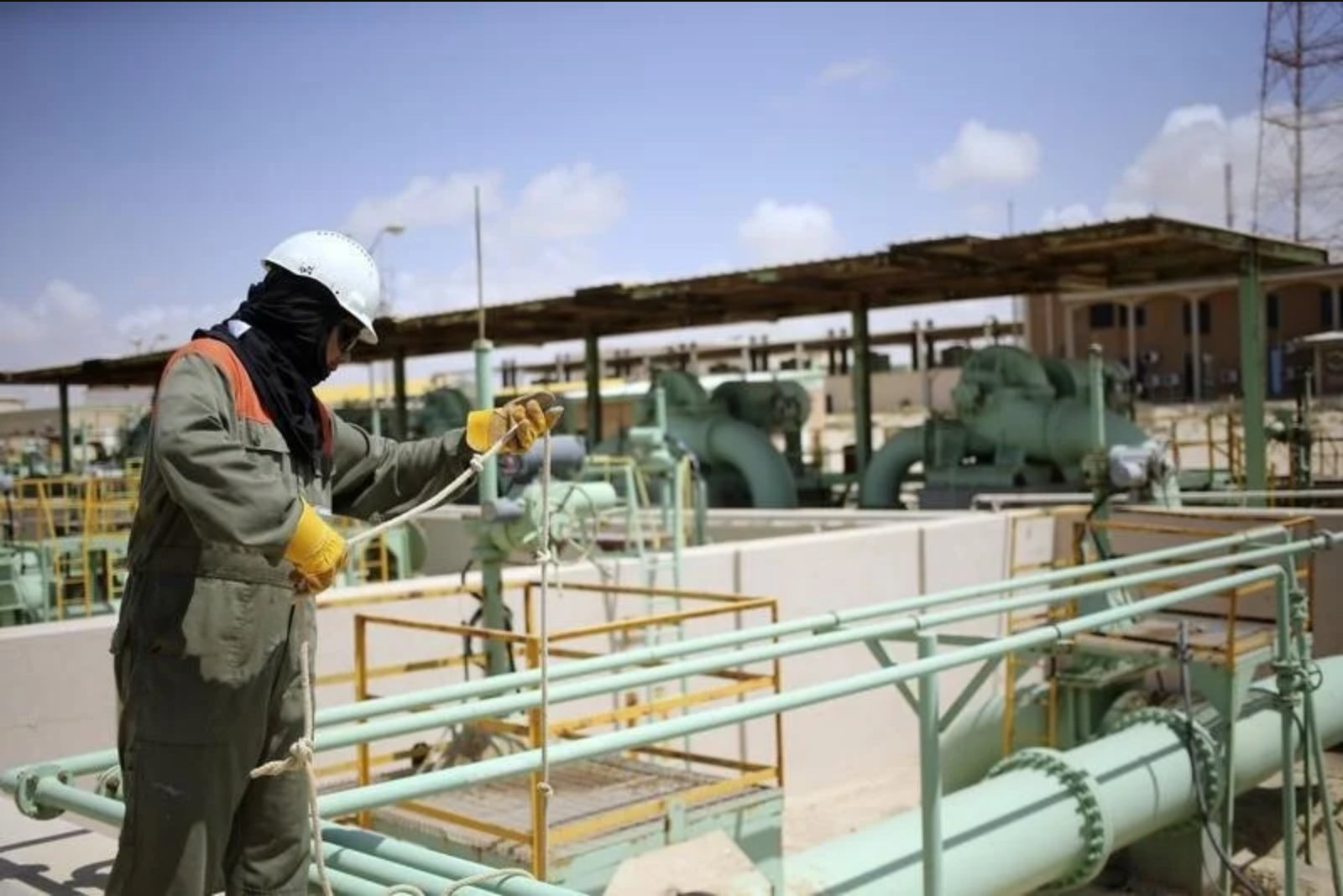
Oil prices slipped on Monday following OPEC+’s decision to raise production targets for August, a move that market participants interpreted as a signal that supply will continue to recover. At 21:21 ET (01:21 GMT), U.S. Crude Oil WTI Futures fell 0.5% to $68.78 a barrel, while Brent Oil Futures were down 0.2% at $71.96 a barrel.
Traders have begun to unwind some of the geopolitical risk premium that accumulated during the Iran conflict and are refocusing on the prospect of rising global supplies. ANZ noted that Brent’s futures curve remains in a bearish contango structure, where front-month contracts trade below longer-dated futures - a formation that typically signals expectations of near-term oversupply.
Supply recovery gains momentum
Over the weekend, OPEC+ agreed to increase production targets by 188,000 barrels per day effective in August, extending the phased reversal of voluntary output curbs. Although much of that additional output has yet to arrive in the market, the decision nevertheless reinforces market expectations that supply will continue to normalize as conditions in the Persian Gulf ease.
Crude exports through the Strait of Hormuz have improved in recent weeks, reducing concerns about prolonged shipping disruptions. Saudi Arabia has restored exports to near pre-conflict levels, and higher output from other Gulf producers has further supported the view of a loosening oil market. These developments have encouraged the market to price in a greater likelihood of additional barrels returning to global seaborne flows.
ANZ highlighted that OPEC production rose by 2.34 million barrels per day in June as exports resumed through the Strait of Hormuz, a material increase that markets have been digesting alongside the latest OPEC+ production adjustment.
Balancing demand optimism and oversupply concerns
While some market participants remain optimistic about demand resilience, the recent supply developments have led traders to focus more on the risk of a global supply surplus. Factors cited by market observers include lower Chinese crude imports, the resumption and growth of exports from major producers, and ongoing production increases within OPEC+.
Market participants are also watching for official selling prices from Saudi Arabia and other Gulf producers for further clues about regional demand dynamics. Investors will be monitoring whether the recovery in exports continues to exert downward pressure on crude prices.
At the same time, ANZ cautioned that although shipping activity has recovered, security risks persist and could complicate efforts to sustain higher export flows over the medium term. That caveat leaves some uncertainty about how durable the recent supply increases will be.
Outlook
In the near term, the interplay between recovering Gulf exports, OPEC+ production policy and demand signals - including official selling prices from key Gulf producers - will be central to price direction. For now, markets appear to be re-pricing away from a heightened geopolitical risk premium and toward a market characterized by stronger supply growth.