
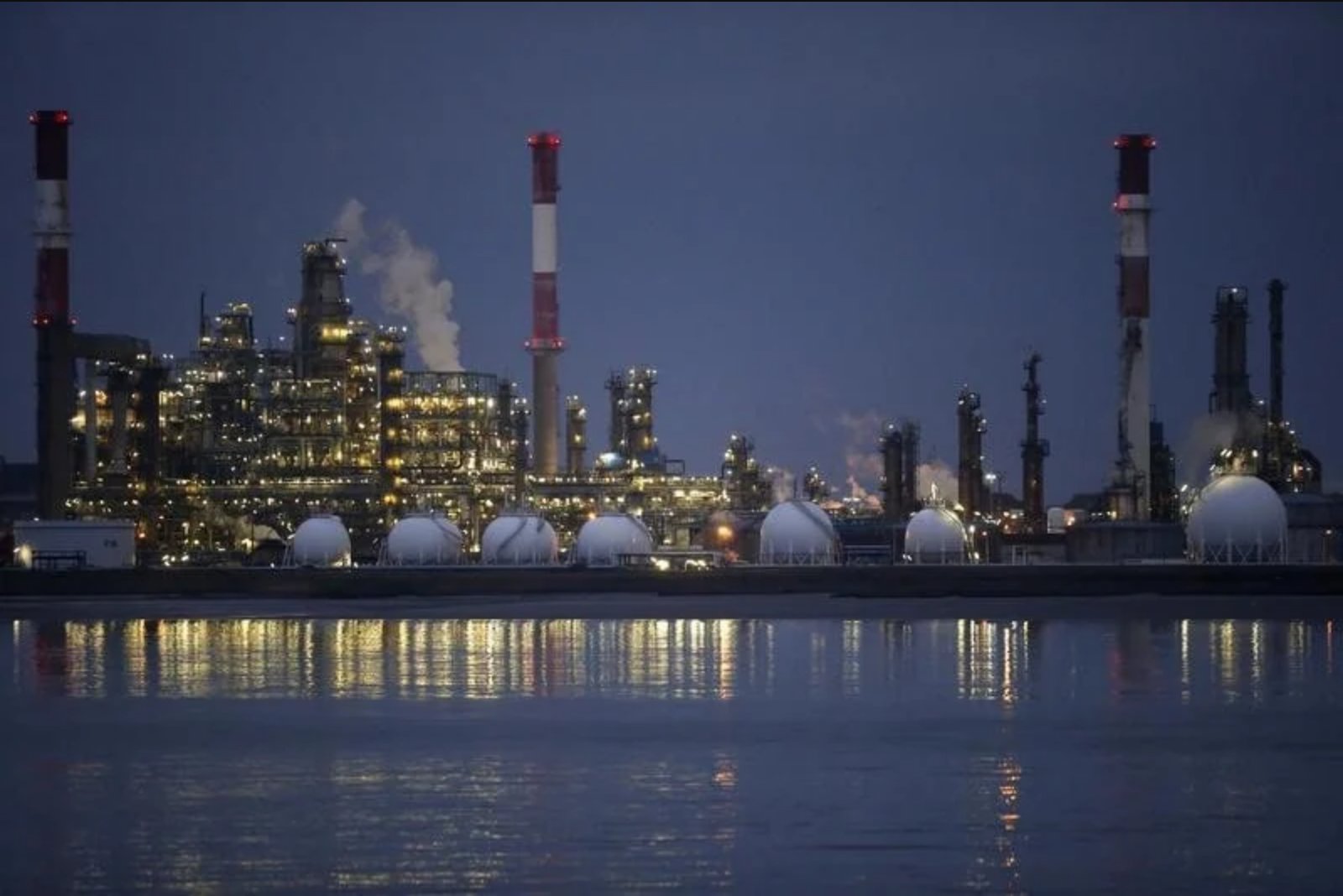
Oil prices registered modest gains late on Friday even as markets continued to weigh persistent hostilities across the Middle East and a series of U.S.-Iran tensions. By 20:24 ET, Brent futures were trading at $92.45 a barrel, up 0.5%, while West Texas Intermediate (WTI) was at $83.40 a barrel, up 0.2%.
Despite the intraday uptick, Brent was positioned to post a 3.5% drop for the week, which would mark its third consecutive weekly loss. The recent run of declines has been driven largely by forecasts from the International Energy Agency that signalled the oil market is likely to move into a supply surplus in the fourth quarter and again in 2027.
Separate industry data cited improvements in oil output from the Middle East, which has also contributed to downward pressure on prices even as conflict-related risks remain present.
Geopolitical backdrop
Hostilities in the region have not abated. Iran was observed attacking targets in neighboring Gulf states this week, as well as engaging vessels transiting the Strait of Hormuz. At the same time, Yemen’s Iran-backed Houthi movement continued its campaign of strikes against Saudi Arabia, including an attack that hit a tower in Riyadh on Thursday.
U.S. political signals have added to the market’s uncertainty. In an interview on Thursday, U.S. President Donald Trump said he would decide on additional strikes against Iran after the start of 2027. Reporting earlier in the week indicated he was weighing more strikes amid pressure from Israel for a new campaign targeting Tehran. At the same time, the president has alternated between threats of further military action and suggestions of possible de-escalation.
Domestic political dynamics and market reaction
On Capitol Hill, the U.S. Senate - led by Republicans - voted against a resolution intended to limit the president’s war powers related to Iran. Meanwhile, Democrats, who are set to take majorities in both chambers of Congress in 2027, have indicated a priority to end what they describe as the president’s war on Iran. Earlier in November, oil prices fell sharply after a Democratic victory in the U.S. midterm elections increased expectations that Congress would exert pressure to curtail military action, contributing to downward pressure on crude.
The conflict itself is now entering its tenth consecutive month with little indication of a breakthrough toward de-escalation. Tehran has largely maintained that it will not engage in meaningful peace talks until the United States lifts a naval blockade on the country and unfreezes certain overseas assets. Iranian officials have also publicly dismissed recent U.S. accusations that the country is developing chemical and biological weapons, calling those claims "fraudulent" and suggesting they are being used to justify further military measures.
Outlook
Traders and analysts are balancing two countervailing influences: the risk premium associated with ongoing Middle Eastern conflict and political uncertainty in Washington, versus supply-side signals that point to growing inventories and potential oversupply later this year and into 2027. While short-term volatility will likely reflect headlines from the region and statements from U.S. political leaders, the IEA’s outlook and reported increases in regional production are key factors underpinning the recent stretch of weekly losses.