
Global oil benchmark prices moved slightly higher on Friday as fresh conflict-related incidents renewed worries about potential supply disruptions. Brent crude futures were trading at $92.22 a barrel, up 24 cents or 0.3% by 0118 GMT. U.S. West Texas Intermediate (WTI) front-month contracts also inched up: the December WTI contract rose 19 cents, or 0.2%, to $83.40 a barrel, while the more-active January contract gained 20 cents, or 0.2%, to $82.64.
Although both benchmarks registered only small changes on Thursday, they remain set for weekly declines. Brent was on course for a roughly 3.5% drop for the week, while the December WTI contract faced an approximate 6% weekly fall. The two major grades were headed for a third consecutive week of declines, a trend analysts have linked to growing expectations of a supply surplus as crude shipments via the Strait of Hormuz return to levels close to those seen before the onset of the wider regional war.
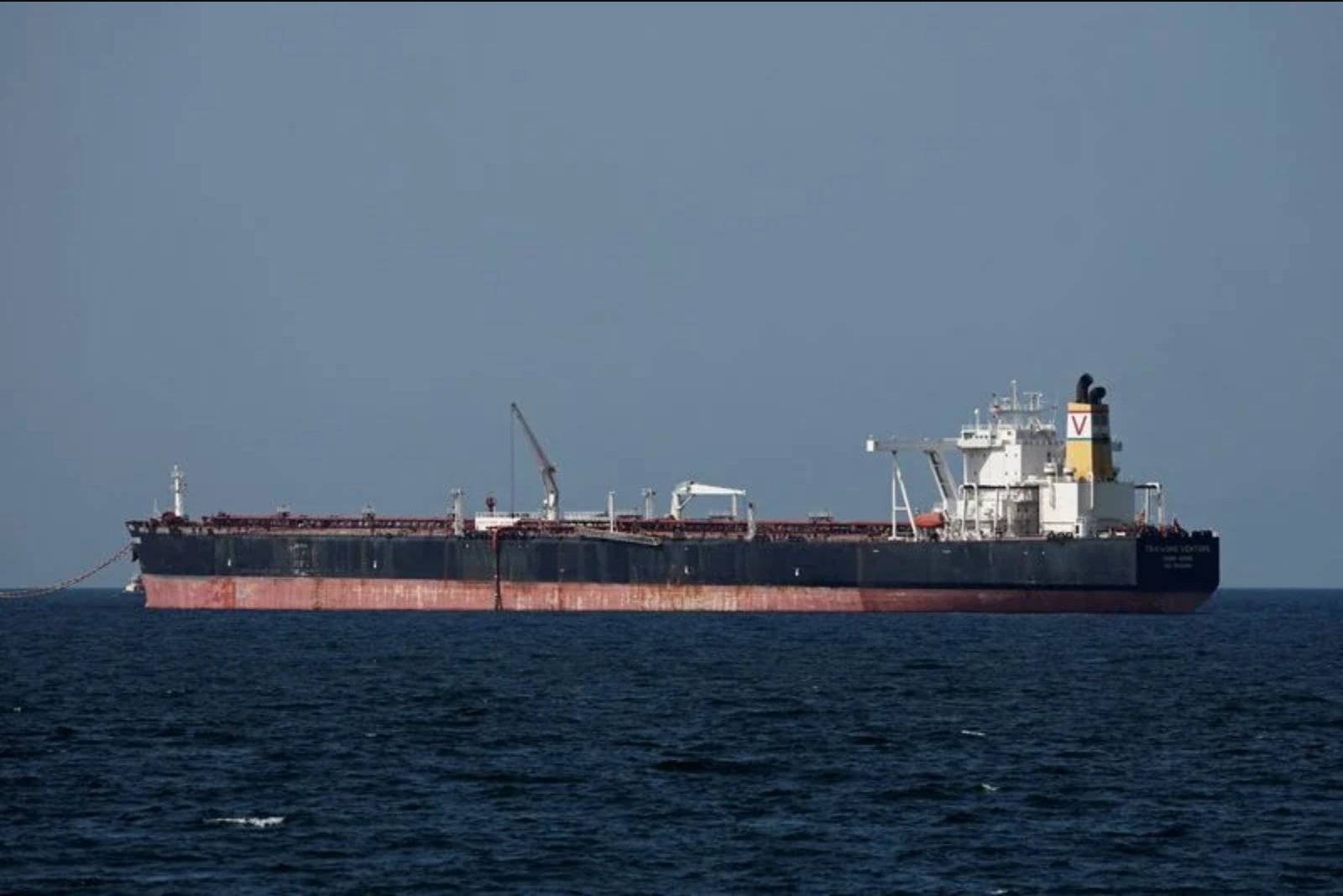
Market participants cited two recent developments as drivers of the modest price gains on Friday. First, the Iran-aligned Houthi movement fired missiles at Riyadh, marking a new attack on the Saudi capital in the course of the conflict involving the Houthis. Second, Iran's Revolutionary Guards Navy issued a statement carried by state media saying two oil tankers struck naval mines in the Strait of Hormuz, "exploded" and were "burning." The reported incidents in the strait raised immediate concerns about shipping security and fuel supply flows.
"Concerns over Middle Eastern crude oil supplies have resurfaced due to attacks on Riyadh by the Houthis, prompting buying," said Satoru Yoshida, a commodity analyst with Rakuten Securities. "Expectations that coordinated production cuts will continue at the OPEC+ meeting later this month are also providing support," he added.
OPEC+ ministers are scheduled to convene a series of meetings on November 29 to determine their output policy for 2027. The grouping includes members of the Organization of the Petroleum Exporting Countries alongside allied producers such as Russia. Hopes or expectations that the coalition will maintain coordinated production restraint ahead of and following that meeting have contributed to price support.
At the same time, the International Energy Agency (IEA) issued a note highlighting the broader economic impact of the Middle East conflict. The agency said the crisis has produced the largest disruption ever to global oil and gas trade. It added that if governments respond by accelerating electrification, improving efficiency and implementing fuel-switching measures, world oil demand could be cut by more than 4% by 2035.
Separate developments affecting Russian supply also factored into market calculus. Analysts and traders cited intensifying Ukrainian attacks on refineries and export infrastructure as a potential brake on Moscow's crude output. Reuters reported that Ukrainian drone strikes have reduced combined crude processing volumes at Russian refineries by 45% since late October.
On Thursday, Russian President Vladimir Putin said Moscow would retaliate strongly after Ukraine struck the bridge linking Russia and Crimea for a third time in a single week. He also said he was abandoning any proposal for a moratorium on striking energy-related targets and shipping, a statement that amplifies the uncertainty surrounding energy infrastructure and flows in the region.
Against this backdrop, market participants are weighing the immediate shock risks tied to new attacks and reported shipping incidents alongside broader demand-supply dynamics that point to possible near-term oversupply. The interplay of geopolitical shocks, infrastructure damage and policy decisions by major producers will likely determine price direction in the coming days as the OPEC+ meeting approaches.
Market snapshot:
- Brent crude: $92.22 a barrel, up $0.24 (0.3%)
- WTI December contract: $83.40 a barrel, up $0.19 (0.2%)
- WTI January contract: $82.64 a barrel, up $0.20 (0.2%)