
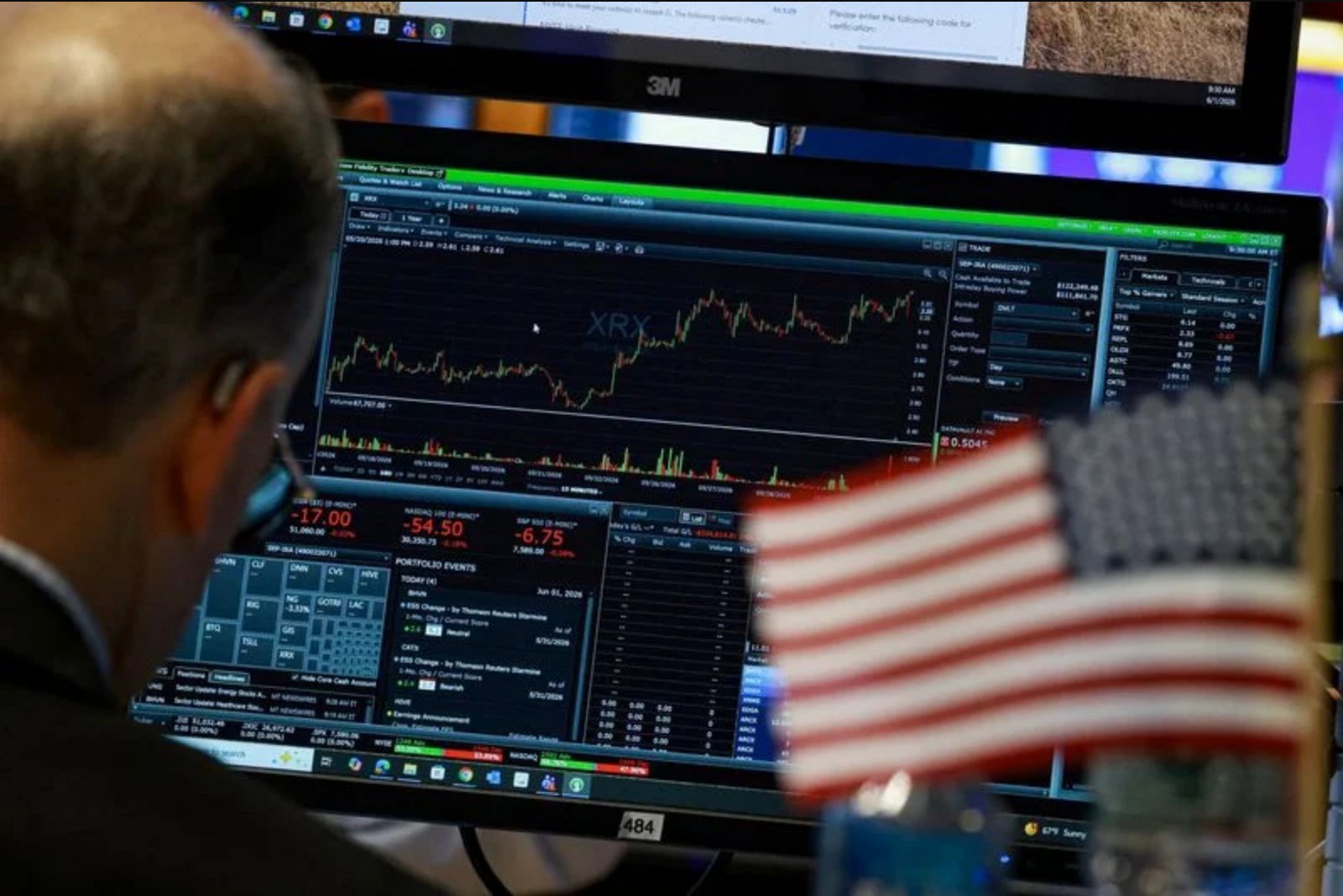
Markets enter a busy session with attention fixed on the U.S. jobs report, but traders are also digesting a marked unwind in previously strong chip shares. The motion appears driven more by portfolio rebalancing and profit-taking than by any single identifiable catalyst, even as several macro datapoints and policy comments add texture to investor positioning.
Chip sector retreat
The U.S. semiconductor index (SOX) dropped about 6% on Wednesday, a sharp move that came without a clear, single trigger. The broader S&P 500 ended the day largely flat, and the equal-weighted index pushed to new highs, underlining a bifurcated market where concentrated gains in a subset of large-cap stocks coexist with wider rotation.
Asia took its cue from the weakness in the SOX, with substantial falls among major chipmakers and tech equipment suppliers in Seoul and Tokyo. The declines indicate that the semiconductor group is undergoing a period of profit-taking as the second half of the year begins, with investors reshuffling exposure ahead of a compressed trading week and month-end flows.
Notable tech outliers
On the U.S. tech front, Meta diverged from the broader pullback, jumping nearly 9% on Wednesday after reports that it is expanding its cloud business and intends to sell excess AI computing capacity. Meta had earlier lost roughly 15% in the first half of the year, making the rebound a pronounced reversal within a volatile period for large-cap tech.
Separately, the Financial Times reported that OpenAI would offer the U.S. government a 5% stake, a development that also drew attention within technology and AI-related market conversations.
Jobs data and the Fed outlook
The payrolls snapshot is front and center: the U.S. nonfarm payrolls report is expected to show another solid gain of about 110,000 jobs for the month, a pace comfortably above the so-called breakeven rate required to keep the unemployment rate stable. Earlier private-sector data from ADP showed a slight miss on Wednesday, but it did not materially shift the overall expectations around Federal Reserve policy.
Fed Chair Kevin Warsh, speaking in Portugal, struck a measured tone. He reiterated the central bank’s commitment to return inflation to 2% while acknowledging recent improvements in the inflation profile. Market-implied rates still signal a chance of a Fed rate hike by October, keeping monetary policy considerations alive for investors even as incoming data are parsed.
Commodities and European inflation
Crude oil prices have drifted lower amid more encouraging reports about talks between U.S. and Iranian officials. Brent crude was trading around $71 per barrel early on Thursday, reflecting cooler sentiment in energy markets as diplomatic noises eased some supply concerns.
Meanwhile, euro zone headline consumer price inflation came in at 2.8% on Wednesday, below the 3% expectation. The softer print provides breathing room for the European Central Bank and raises the possibility that the ECB may be able to avoid additional tightening if energy prices continue to recede.
FX moves and Japan strategy
The yen recovered sharply after plunging to a 40-year low the previous day. The jump in the currency reflected speculation and anxiety about potential action from Japanese authorities to defend the currency. Reports indicate Japan’s authorities are considering a more opportunistic approach to intervention, targeting speculative positions without pre-announcing lines in the sand. The strategy is described as aiming to ambush bets rather than telegraph policy moves in advance, a tactic that can heighten short-term market sensitivity.
Chart of the day
If concerns that AI will erode job creation are to be believed, they have not materialized yet. The U.S. economy delivered a third consecutive month of robust job growth in May, and analysts expect another increase of 100,000 or more for June when the official employment report is released. Over the past three months, employment gains have averaged 188,000 jobs per month, a pace described as nearly triple the comparable figure for the same period in 2025 and about 150,000 more than most estimates of the breakeven rate needed to keep the unemployment rate steady.
Events to watch
- U.S. June nonfarm payrolls (8:30 a.m. EDT)
- Weekly jobless claims (8:30 a.m. EDT)
- May factory orders (10:00 a.m. EDT)
- Remarks from San Francisco Fed’s Mary Daly
With the week shortened by the Independence Day holiday, traders may show heightened sensitivity to headline data and earnings flows. That combination, together with quarter-end technical dynamics, suggests that moves over the next 24-48 hours could reflect positioning as much as fresh fundamental information.
Note: This analysis focuses on market movements, macro datapoints, and policy signals referenced above. It does not speculate beyond the facts and projections as presented.