
Market snapshot
European natural gas benchmarks moved higher for a second consecutive trading day on Thursday, with the front-month Dutch contract - the regional benchmark - up 2.2% to 43.43 euros per megawatt-hour (MWh) by mid-morning, lingering close to a three-week peak. The British equivalent rose 1.8% to 103.54 pence per therm.
Primary drivers
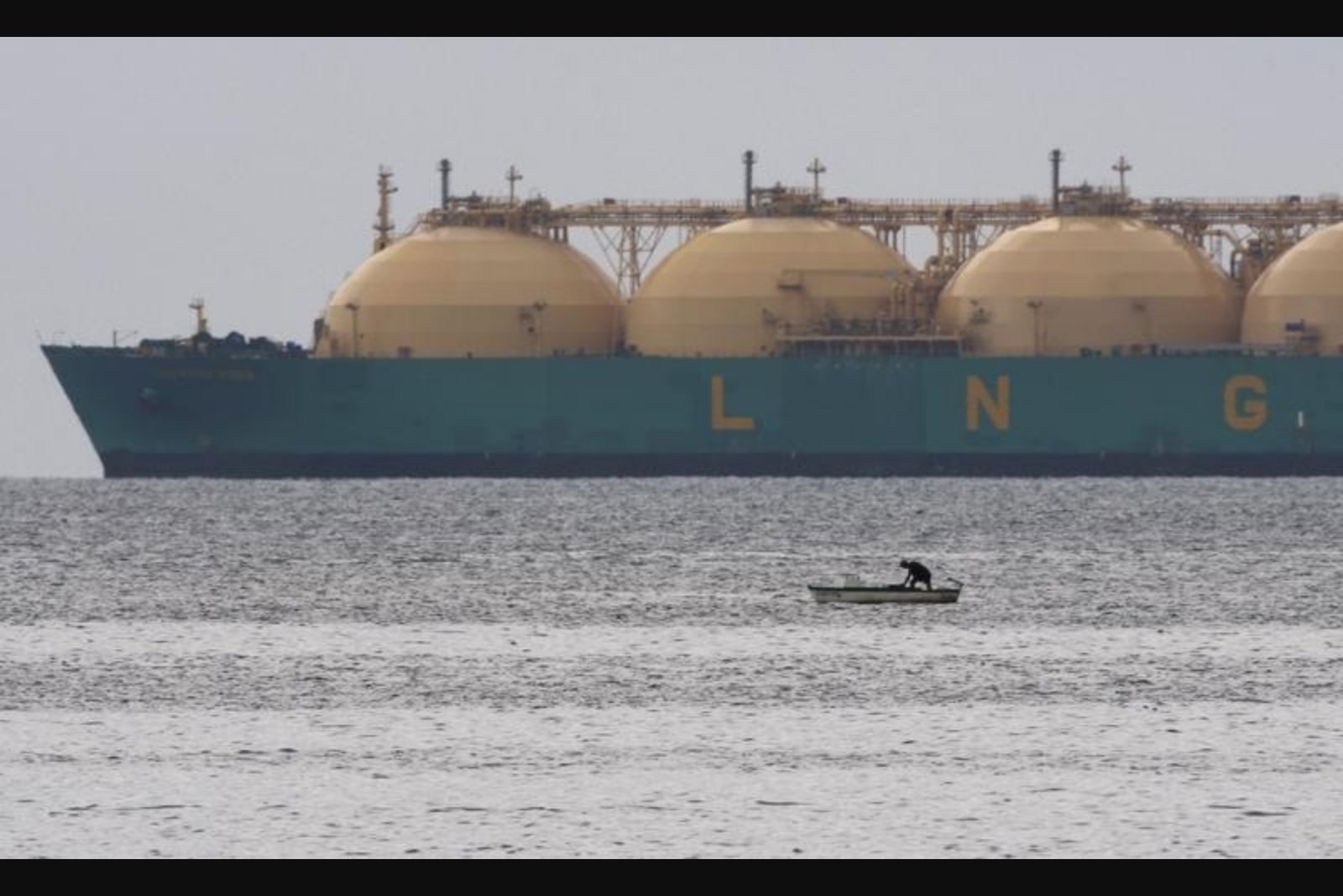
Traders pointed to two immediate forces behind the upward momentum. First, a sudden breakdown in planned indirect talks between U.S. and Iranian officials in Doha the previous day rekindled concern about the security of the Strait of Hormuz - a vital shipping lane that handles roughly 20% of global liquefied natural gas (LNG) shipments, largely originating from Qatar. The diplomatic impasse revived worries that regional instability could disrupt LNG flows.
Second, an unusually strong summer heatwave settled over continental Europe. Higher-than-normal temperatures have pushed electricity demand up, with more air conditioning in use. That increase in power demand has translated into greater gas burn by generators, tightening near-term demand-supply balances for the fuel.
Price context
The recent gains follow a volatile second quarter during which benchmark European gas prices fell by more than 20% from a March peak above 73 euros per MWh. That earlier decline coincided with a brief easing of broader Middle Eastern hostilities and the seasonal move away from winter heating demand.
Storage and seasonal outlook
Despite the price correction last quarter, the regional storage picture remains relatively tight. European gas storage facilities are filled to about 48% of capacity, down from roughly 56% at the same point last year and well below the five-year average of 61% for this period. Replenishment has been progressing at a slower-than-usual pace.
Risks and near-term considerations
Analysts note that with storage levels subdued and replenishment lagging, any sustained disruption to global LNG shipments or an extended stretch of hot weather could precipitate another sharp price spike ahead of the autumn buying season. The diplomatic breakdown that raised concerns over the Strait of Hormuz is an immediate source of uncertainty for shipping-dependent LNG supplies.
Implications
In the near term, markets will likely remain sensitive to geopolitical developments in the Middle East and to persistent extreme summer temperatures across Europe, both of which directly affect gas flows and power-sector fuel use.