
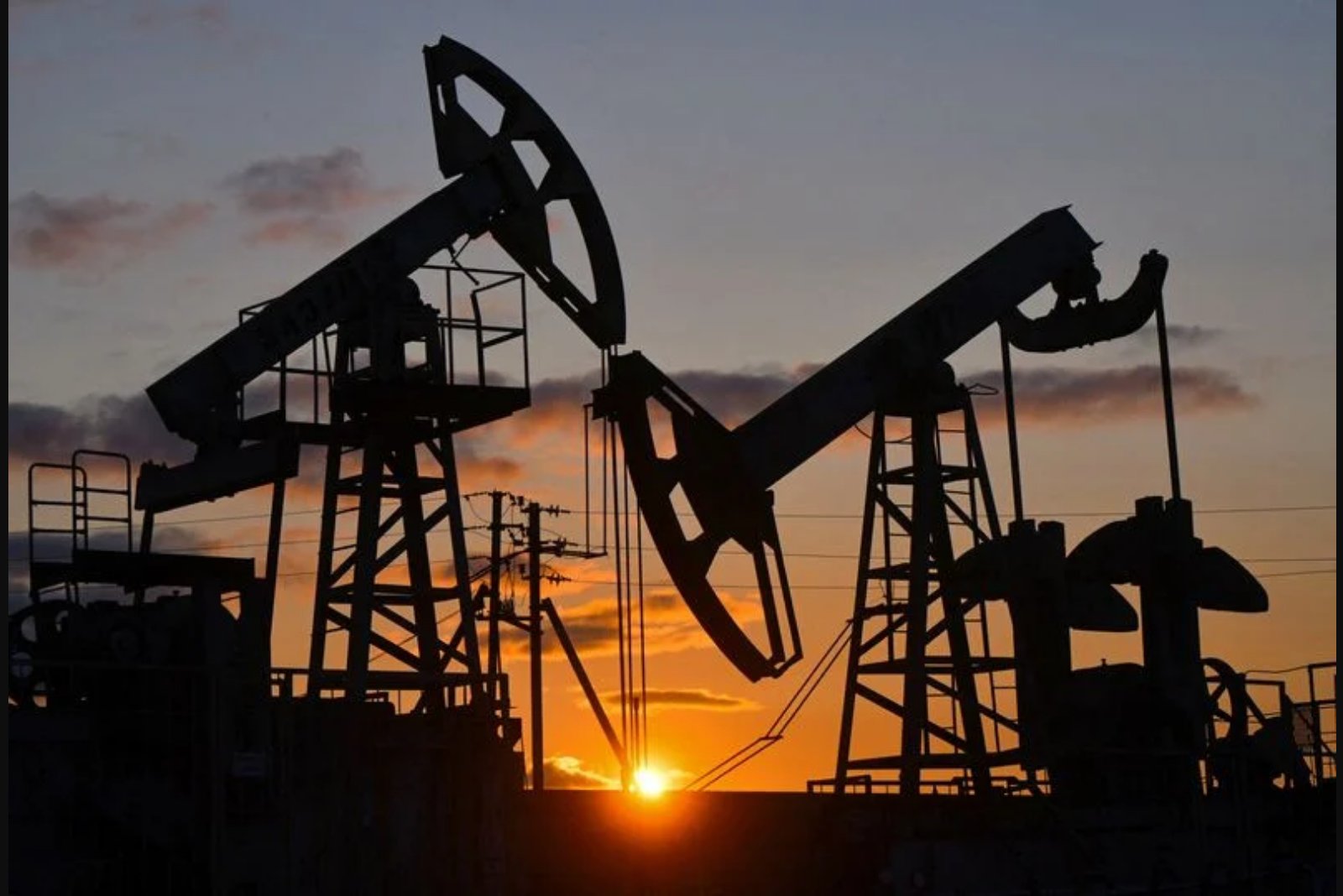
Markets in Asia moved lower on Monday as heightened hostilities in the Gulf and Iranian claims of closing the Strait of Hormuz propelled oil prices higher and rekindled worries about inflation. The dollar strengthened alongside a modest rise in bond yields, a shift that nudged up the perceived likelihood of additional policy tightening by the Federal Reserve just a day before Chair Kevin Warsh is scheduled to testify before Congress in his new role.
Brent crude surged 3.3% in early trade to $78.50 a barrel, recovering from a recent trough of $70.14, while U.S. crude climbed 3.4% to $73.83 a barrel. U.S. officials reported that around 20 vessels had been escorted through the Strait of Hormuz in the previous 24 hours, although ship-tracking websites indicated little visible traffic in the waterway.
Inflation data for June, due on Tuesday, could show some cooling in the headline rate currently at 4.2% as lower petrol prices had exerted downward pressure. Analysts cautioned, however, that any relief from falling petrol costs may be temporary now that oil prices are on the rise again.
Equity futures in the United States signaled softer open, with S&P 500 futures down about 0.3% and Nasdaq futures off roughly 0.5%. In Asia, Japan’s Nikkei declined 1.0% after shedding 1.7% last week. The MSCI index of Asia-Pacific shares excluding Japan fell 0.2%.
South Korea’s market eased 0.4%, remaining under scrutiny after a near 8% drop last week as leveraged positions in semiconductor stocks came under pressure. The South Korean market has lately been viewed as a proxy for the global chip sector, raising the prospect that further declines could ripple outward. Separately, U.S.-listed shares of South Korean chipmaker SK Hynix jumped almost 14% in their Nasdaq debut on Friday.
In corporate news that reached markets after the close, Apple filed a lawsuit against OpenAI and two former employees alleging theft of trade secrets.
The spike in oil prices put upward pressure on bond yields, with the 10-year U.S. Treasury yield rising two basis points to 4.59%. Fed funds futures moved two ticks lower, implying about 34 basis points of policy tightening priced in by the end of the year. That dynamic helped keep the dollar index firm near 101.12.
Currency moves reflected the market shift. The euro slipped slightly to $1.1403 as Europe’s greater reliance on imported oil left it more exposed to the surge. The dollar gained 0.1% versus the yen, trading at 161.96, recouping some of the losses seen on Friday when Japan’s Finance Minister Satsuki Katayama suggested encouraging the Government Pension Investment Fund and other retirement vehicles to repatriate some assets.
Taylor Nugent, senior economist at NAB, noted that the GPIF currently allocates 50/50 between domestic and offshore assets and that a move back toward the pre-pandemic split nearer 60/40 would generate significant yen buying flows. He added that, while allocation reviews can occur at any time, they tend to move slowly and that the FY26 investment plan is already set.
Investors will also be watching the start of the U.S. corporate earnings season with major banks due to report from Tuesday, and companies such as Netflix and General Electric also on the calendar. Analysts at Citi flagged technology as a leading sector in their models, citing standout earnings growth, momentum and attractive valuations. They said that, while AI-related volatility may remain elevated over the coming quarter, they maintain an Overweight stance on global information technology and U.S. tech, pairing those growth exposures with overweights in cyclical regions and sectors including Japan, financials and materials.
In commodity markets, higher yields weighed on non-interest bearing gold, which fell 1.1% to $4,076 an ounce.
Key market moves and indicators mentioned in trading commentary included the softer U.S. futures, declines in major Asian equity benchmarks, sharper oil prices, a modest rise in U.S. Treasury yields, and currency shifts that reflected differing regional sensitivities to energy prices.
Looking ahead, market participants will be monitoring the congressional testimony by the Fed chair, the U.S. June inflation report, and the opening of the U.S. earnings season for signs on the economic and corporate outlook amid heightened geopolitical tensions.