
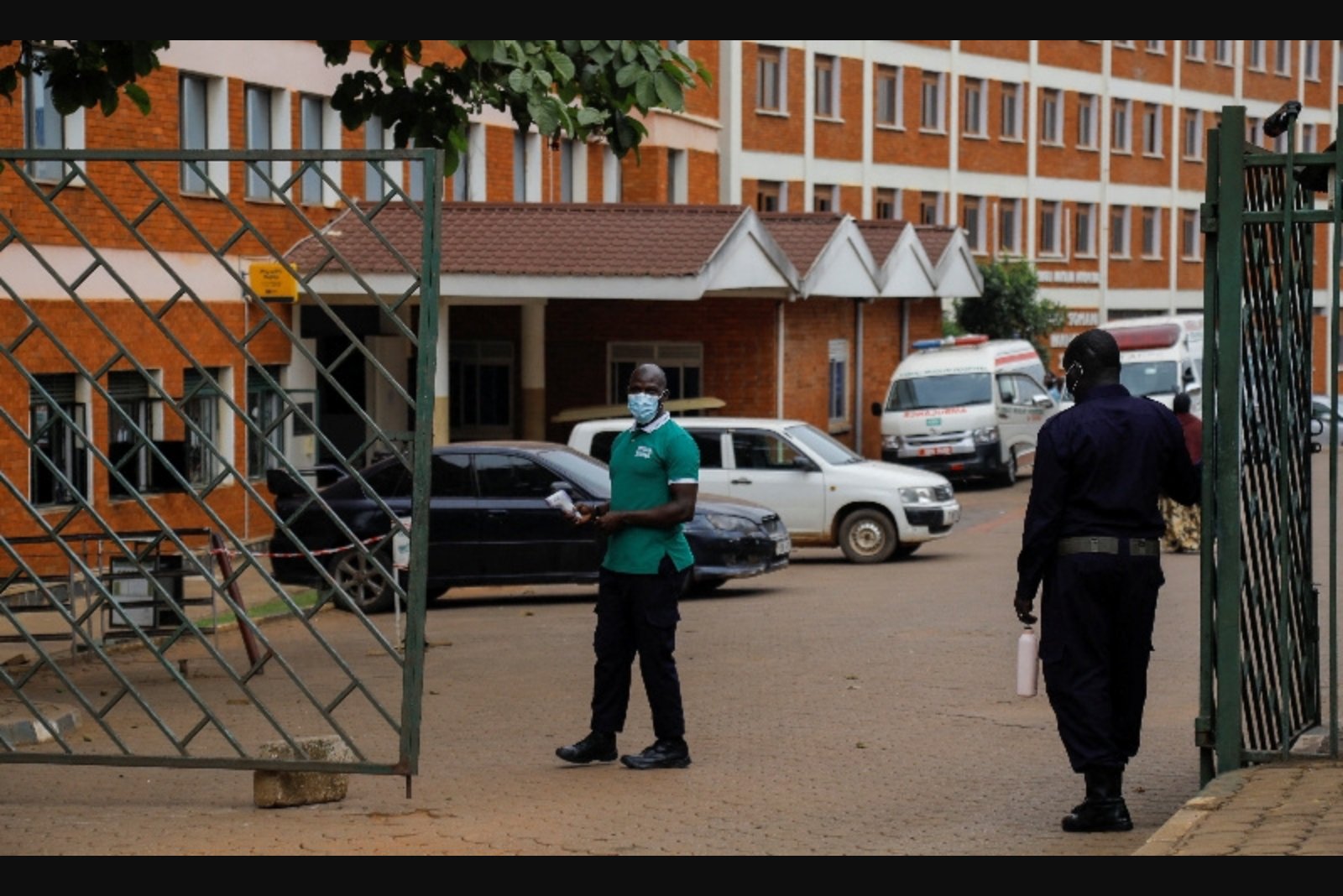
The World Health Organization (WHO) announced that the Ebola outbreak affecting parts of the Democratic Republic of Congo (DRC) and Uganda constitutes a public health emergency of international concern. The declaration follows reports linking 80 deaths to the outbreak, which has been identified as caused by the Bundibugyo variant of the Ebola virus.
In a statement, the WHO said the outbreak does not currently qualify as a pandemic-level emergency but emphasized a significant risk that the disease could spread further into countries sharing land borders with the DRC. The agency pointed to evidence of cross-border transmission as part of the rationale for elevating the emergency status.
Reported caseload and geography
As of the latest available update, health officials recorded eight laboratory-confirmed cases and 246 suspected cases linked to the event in Ituri province. These reports cover at least three health zones in the eastern province - Bunia, Rwampara and Mongbwalu - and include a confirmed case in the eastern city of Goma, according to a statement from M23 rebels.
The outbreak has also been connected to cases in Uganda. The WHO reported two apparently unrelated laboratory-confirmed infections in Kampala, one of which resulted in death, and indicated that those patients had recently travelled from the DRC.
In the DRC capital Kinshasa, a previously announced laboratory-confirmed case returned a negative result after secondary testing, the WHO said.
International response and U.S. actions
U.S. public health authorities have taken steps to respond to the situation. The U.S. Centers for Disease Control and Prevention (CDC) activated its emergency response center and plans to deploy additional personnel to support operations in both the DRC and Uganda. Satish Pillai, the CDC's Ebola response incident manager, declined to confirm whether any Americans were among the infected at a briefing, while noting that the risk to the United States remains low.
Media reports cited unnamed sources from international aid organizations stating that at least six Americans in the DRC had been exposed to the Ebola virus, with three of those exposures assessed as high risk. One U.S. media outlet reported that one exposed American may have developed symptoms and that U.S. authorities were considering transport out of the country, potentially to a military base in Germany. Reuters was unable to independently verify those media reports.
The U.S. Embassy in the DRC issued a health alert reminding U.S. citizens that the State Department advises against travel to Ituri province, and warning that U.S. government emergency assistance capabilities in the area are extremely limited. The alert strongly advised: "Do not travel to this area for any reason."
WHO guidance and public health measures
The WHO underscored that the current outbreak is notable for the absence of approved therapeutics or vaccines specific to the Bundibugyo virus, in contrast to preventative and treatment options available for some Ebola-Zaire strains. The agency cautioned that the initial samples have shown a high positivity rate and that the overall caseload may be larger than current confirmed counts suggest.
Recommended actions for affected countries and contacts include:
- Immediate isolation of laboratory-confirmed cases.
- Daily monitoring of identified contacts.
- Restriction of national travel for confirmed cases and contacts, and prohibition of international travel for those exposed until 21 days after exposure unless movement is for medical evacuation.
- Activation of national disaster and emergency-management mechanisms, plus cross-border screening and screening on major internal roads.
At the same time, the WHO advised against border closures or blanket restrictions on travel and trade. The agency warned that such measures could drive people and goods to informal crossings that are not monitored, complicating surveillance and response efforts.
Regional health coordination
Jean Kaseya, director general of the Africa Centres for Disease Control and Prevention, said he had requested technical guidance and recommendations to consider whether the outbreak should be declared a public health emergency for continental security. The Africa CDC also summarized the clinical profile and transmission pathways of the virus, noting that Ebola can cause fever, severe body aches, vomiting and diarrhoea, and is transmitted by direct contact with bodily fluids, contaminated objects or deceased infected persons.
The WHO and national authorities have cautioned that those who have had contact with confirmed cases or infected persons should not undertake international travel unless evacuations are for medical reasons. The agency reiterated the need for immediate isolation, rigorous contact tracing and travel restrictions for exposed individuals until the 21-day post-exposure period has elapsed.
Environmental and epidemiological context
The DRC's dense tropical forests are noted as a natural reservoir for Ebola viruses, a factor that continues to complicate containment in affected regions. The WHO also pointed out that most prior outbreaks in the country involved the Zaire strain, making this Bundibugyo-driven event both clinically and operationally distinct from the majority of previous DRC episodes.
Health authorities and international partners remain engaged in response operations, and WHO guidance is focused on limiting cross-border spread while maintaining monitored, formal channels for movement and aid delivery.
This report presents the status and official guidance detailed by public health agencies and media reports as released by the sources cited. Where secondary testing or media reports were referenced, those specifics were included as reported and could not be independently verified at the time of publication.