
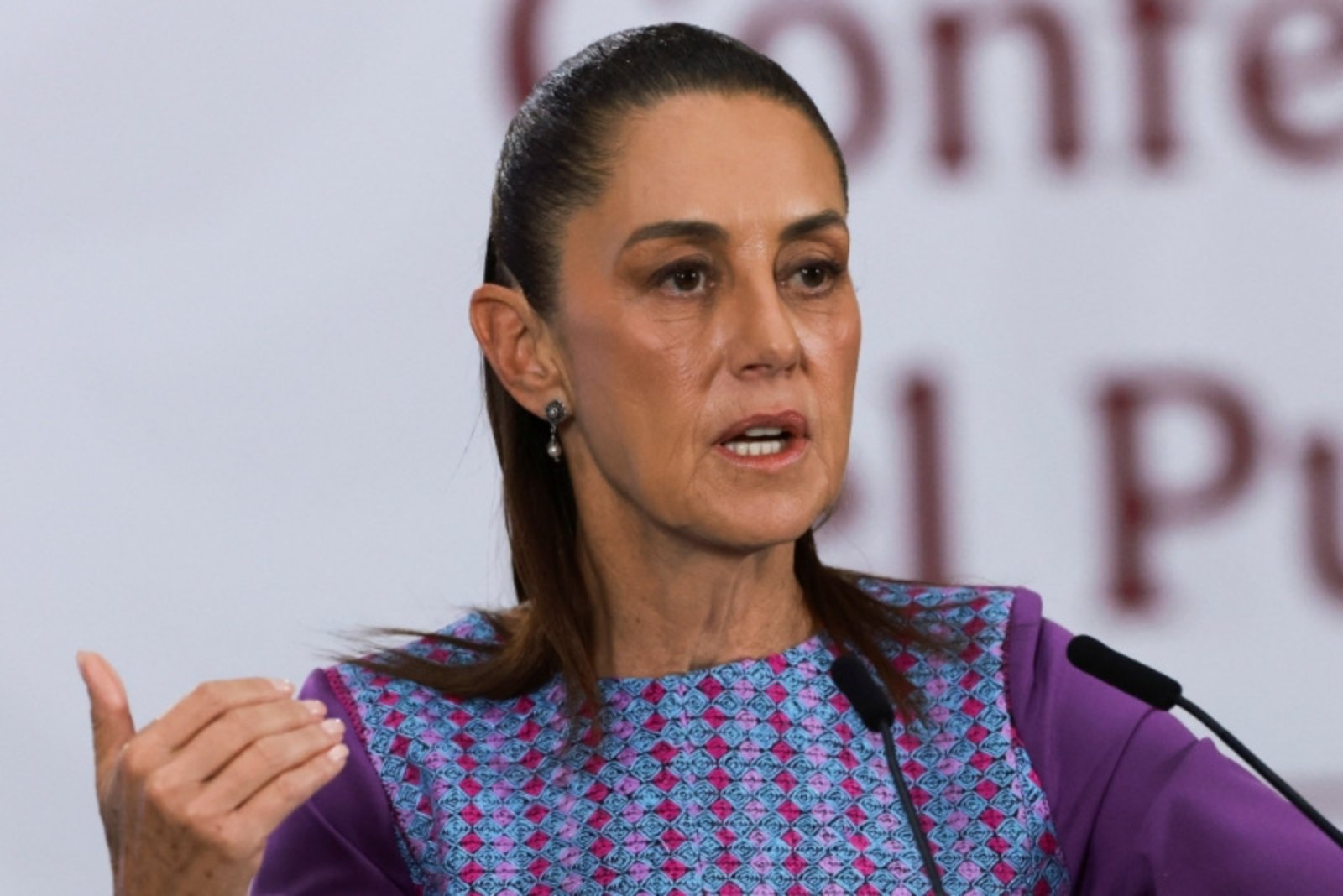
MEXICO CITY, May 18 - Mexican financial authorities have frozen accounts belonging to several current and former officials who face U.S. criminal charges alleging cooperation with the Sinaloa Cartel, President Claudia Sheinbaum said on Monday.
Local reporting last week indicated that the accounts of Sinaloa Governor Ruben Rocha and nine other officials had been blocked. Sheinbaum framed the move not as the start of a domestic probe but as a preventive banking measure linked to actions in the United States.
Asked at her morning press conference to explain why Mexico's Financial Intelligence Unit, known by its Spanish initials UIF, had taken the step, Sheinbaum said the agency would soon issue a formal explanation. The president described the freezes as automatic steps banks take when faced with overseas arrest warrants involving account holders.
"Given that there is an arrest warrant in the United States against 10 people, the banks here - because they have relationships with banks there - take a series of measures," Sheinbaum said. "Automatically, preventively, the UIF does it."
Sheinbaum did not identify Rocha - who is on leave from his gubernatorial duties and has denied wrongdoing - or the other officials by name during the briefing.
U.S. prosecutors unsealed an indictment on April 29 charging Rocha and others with facilitating the Sinaloa Cartel's drug shipments into the United States in exchange for political backing and bribes. The indictment prompted a range of actions on both sides of the border, including the account freezes reported locally in Mexico.
The president said several senior U.S. cabinet members would visit Mexico in the coming days, naming drug czar Sara Carter and Homeland Security chief Markwayne Mullin among them. Sheinbaum reiterated that Mexico would not offer protection to anyone found guilty of crimes, but also said the evidence in the U.S. case was not yet clear and suggested the case contained political elements.
The widening U.S. anti-cartel effort, which targets politicians and public officials as well as criminal groups, has increased pressure on Sheinbaum's administration. The U.S. investigation has already led to recent detentions: two former senior Sinaloa officials charged in the same case entered U.S. custody last week.
Former public security secretary Gerardo Merida Sanchez was arrested in Arizona and appeared in federal court in Manhattan, while former Sinaloa finance minister Enrique Diaz surrendered to U.S. authorities, both actions connected to the same indictment that names Rocha and others.
Context and next steps
Sheinbaum said the UIF's explanation would follow and that Mexican banks, through their cross-border correspondent relationships, acted swiftly once the U.S. arrest warrants were public. Beyond the flow of information and pending statements from the UIF, the immediate trajectory of any Mexican domestic inquiries was not detailed at the briefing.