
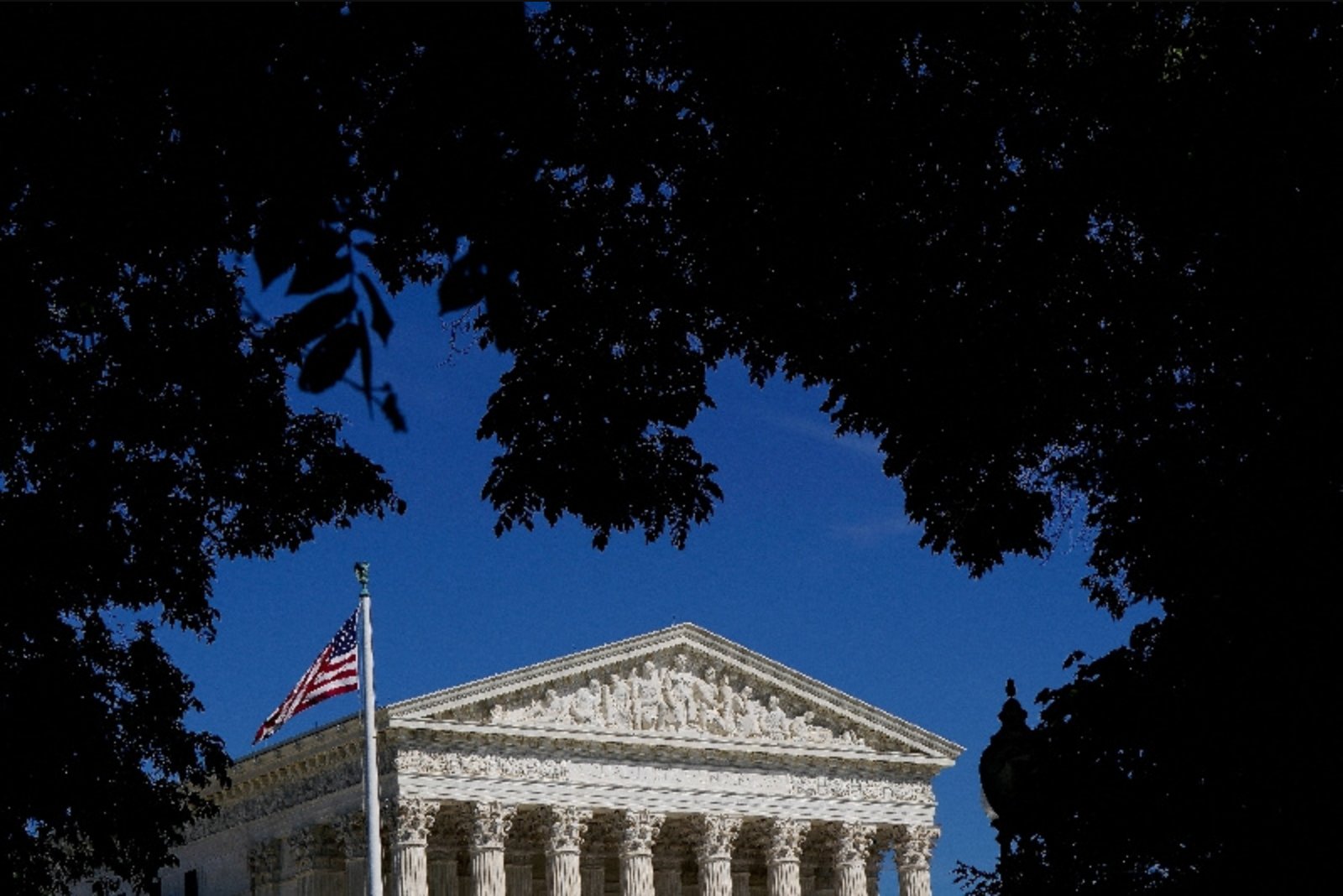
The U.S. Supreme Court on Monday declined to hear appeals from prominent drugmakers challenging a federal program designed to lower Medicare prescription drug costs. The move leaves intact rulings from lower courts that dismissed legal challenges to the negotiation framework, which was enacted as part of the Inflation Reduction Act of 2022.
Appeals from Novo Nordisk, AstraZeneca, Janssen Pharmaceuticals, Bristol Myers Squibb, Novartis and Boehringer Ingelheim were turned away, meaning those companies will remain subject to the negotiated price process for certain medicines identified by the Centers for Medicare & Medicaid Services, the agency that administers Medicare.
The law targets medications that have driven high spending in Medicare - the federal health insurance program for Americans aged 65 and older - by requiring manufacturers to either reach a maximum negotiated price with CMS or withdraw affected drugs from Medicare and related programs. If a manufacturer and CMS cannot agree on a price, the statute imposes steep daily excise taxes on the product.
Proponents of the program argue it is intended to rein in rising drug costs and that negotiated prices can affect both beneficiaries' out-of-pocket payments and Medicare premiums. The original statute envisioned a negotiation process for certain high-expenditure drugs, and despite litigation from the industry, the first set of negotiated prices for 10 drugs went into effect earlier this year.
Companies that appealed to the Supreme Court had advanced a range of constitutional and statutory claims. Among the arguments were that the design of the program is not a genuine negotiation but rather an imposition of government-set prices; that it violates the Fifth Amendment by depriving manufacturers of due process or effecting a taking without compensation; and that it infringes the First Amendment by compelling speech about what constitutes a fair price. Novo Nordisk additionally argued that the law unlawfully delegates legislative authority to an executive branch agency, in violation of separation of powers principles.
Lower courts had sided with the government in several of these suits. The 3rd U.S. Circuit Court of Appeals in Philadelphia ruled for the government in five of the company suits, and the 2nd U.S. Circuit Court of Appeals in Manhattan reached the same result for Boehringer Ingelheim.
Officials defending the program - including the current administration - have characterized the effort as a targeted response to the most expensive drugs in Medicare. CMS leadership publicly described the program as taking action to address those costly medicines when announcing selections for negotiation earlier in the year.
The industry litigation sought to block the statute's implementation on multiple grounds, but with the Supreme Court declining review, the contested legal theories remain rejected under existing appellate precedent. That outcome preserves the pathway for CMS to continue implementing negotiated maximum prices and the statutory consequences for noncompliance.
Observers note that Americans pay more for pharmaceuticals than residents of any other country, a fact that the law was designed to confront by targeting high-expenditure medicines for negotiation. With the high court's decision not to intervene, the negotiation mechanism will continue to shape interactions between drug manufacturers and the federal government for the medicines selected under the program.
What stays the same
- The Supreme Court declined to take up the drugmakers' appeals, leaving lower court rulings intact.
- The negotiation framework under the Inflation Reduction Act remains in force for selected high-cost Medicare drugs.
- Manufacturers must negotiate maximum prices with CMS or remove affected drugs from Medicare, with steep daily excise taxes for failure to reach agreement.