
World May 7, 2026 08:44 AM

Ukraine's Lead Negotiator Visits Miami as U.S.-Mediated Talks Remain Deadlocked

Rustem Umerov's arrival comes amid a stalemate over Donetsk and a U.S. focus shifted by the Iran conflict

By Derek Hwang

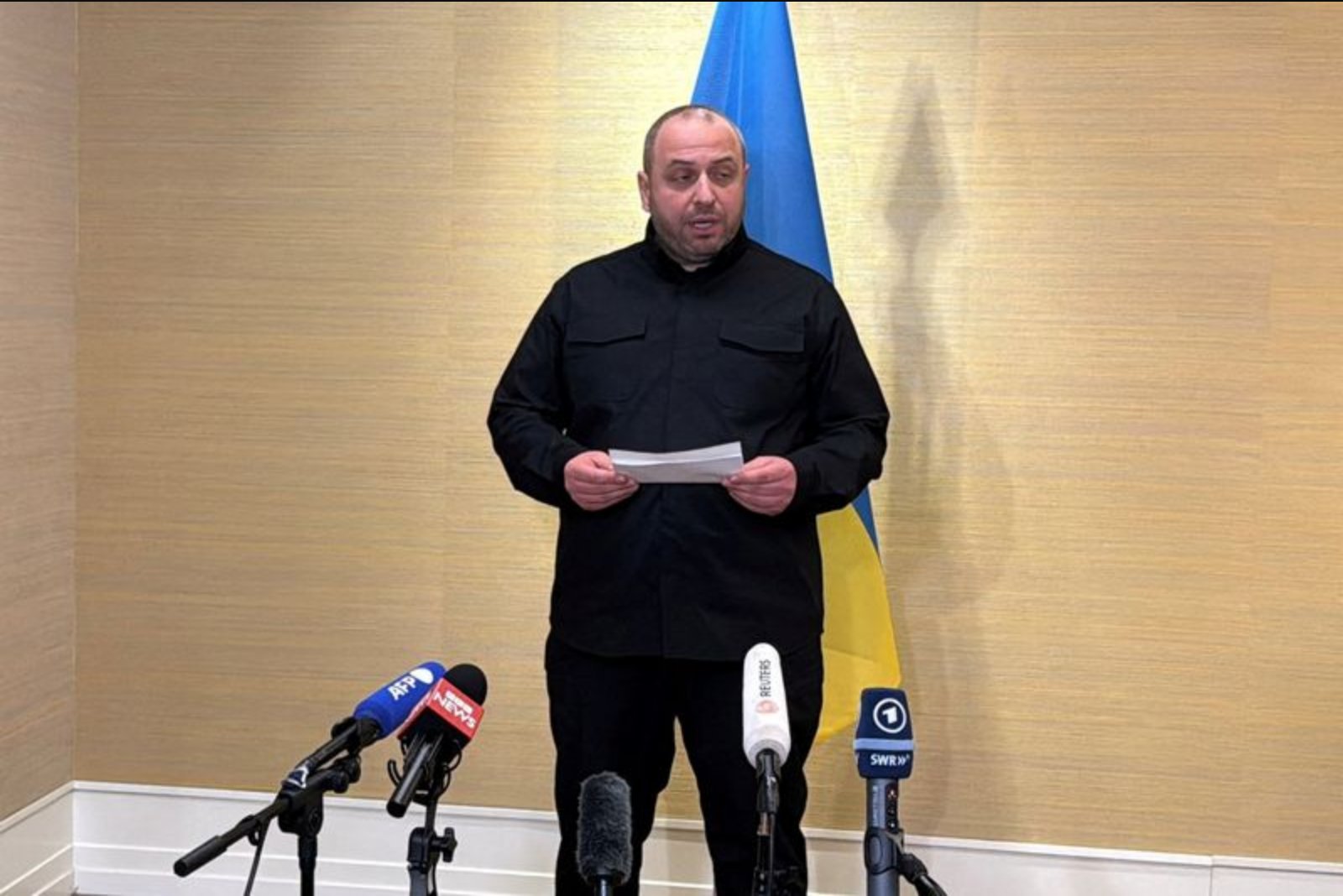
Ukraine's chief negotiator, Rustem Umerov, has arrived in Miami to meet with U.S. representatives, according to a source. The move comes as U.S.-brokered peace talks with Russia have stalled, primarily over the status of the Donetsk region. Efforts earlier in the spring to secure travel by U.S. envoys to Kyiv did not materialize, and attention in Washington has shifted in part because of developments related to the war in Iran. Recent attempts at trilateral negotiations took place in February, and subsequent contacts have been held separately with U.S. diplomats. A brief ceasefire proposal and related exchanges between leaders and officials have so far failed to produce agreement.

Ukraine's Lead Negotiator Visits Miami as U.S.-Mediated Talks Remain Deadlocked

Key Points

  • Rustem Umerov, Ukraine's lead negotiator, arrived in Miami to meet with U.S. representatives - this signals renewed diplomatic engagement despite recent stalemate.
  • U.S.-brokered talks remain deadlocked over the Donetsk region, where Moscow seeks Ukrainian troop withdrawals from areas it has not captured and Kyiv refuses to cede territory it controls - implications for defense and geopolitical stability are significant.
  • Washington's focus has shifted in part because of developments related to the war in Iran, and planned visits by U.S. envoys earlier this spring did not occur - this affects diplomatic momentum and may influence defense procurement and market sentiment.

Ukraine's top negotiator, Rustem Umerov, has arrived in Miami for meetings with U.S. representatives, a source said, marking a new movement in diplomatic activity as mediated peace discussions have stalled in recent months.

Kyiv had hoped that U.S. envoys Steve Witkoff and Jared Kushner would travel to Ukraine earlier this spring, but that visit did not take place. The source who reported Umerov's arrival declined to provide further details on the Miami meetings. Observers note that Washington's attention has shifted considerably amid developments stemming from the war in Iran, reducing focus on Ukraine.

The U.S.-brokered negotiations have been mired in a stalemate centered on the eastern Donetsk region. Moscow's position is that Kyiv should pull back its troops from certain parts of Donetsk that Russian forces have been unable to seize during the four-year full-scale invasion. Ukraine has maintained that it will not cede control over territory it currently administers.

The last trilateral round of talks that involved Ukrainian, Russian and U.S. representatives took place in February. Since that meeting, Ukrainian and Russian officials have engaged only in separate discussions with the U.S. team, rather than in a single joint session.

On April 29, U.S. President Donald Trump and Russian President Vladimir Putin spoke by telephone about the possibility of a ceasefire. Russia subsequently announced a ceasefire for May 8 to 9, coinciding with the dates on which it commemorates the Soviet Union's victory over Nazi Germany and stages a major military parade in Moscow, an event of marked significance to the Kremlin.

Ukraine said it believed Russia's declared pause was intended primarily to safeguard that parade amid concerns about Ukrainian drone activity, and Kyiv proposed an open-ended ceasefire beginning on May 6. Neither side accepted the other's proposal.

In the exchange of threats and counter-accusations around the proposed ceasefires, Russia warned it would strike central Kyiv if Ukraine launched an attack on Moscow. Ukraine accused Russia of breaching the ceasefire and said it would respond in kind to any violations.


Context limitations: The source confirming Umerov's arrival provided no additional specifics about the meetings in Miami. The account of recent diplomatic contacts and ceasefire offers is based on statements and announcements by the parties involved.

Risks

  • Negotiations are stalled over Donetsk with fundamental disagreements on territorial control - this continued impasse poses risks to regional security and defense-sector demand.
  • Shifting U.S. attention due to the war in Iran may reduce diplomatic bandwidth for Ukraine-related mediation efforts - this uncertainty could affect geopolitical risk premiums in financial markets.
  • Ceasefire proposals have been fragile and contested, with mutual accusations of violations and explicit threats of strikes on major urban centers - the volatility raises operational and investment risks for sectors tied to energy, transportation, and security.

More from World

ASEAN Agrees to Virtual Meeting with Myanmar Foreign Minister as Re-engagement Talks Move Forward May 7, 2026 Zelenskiy Says Russia Ignoring Kyiv-Proposed Pause as Strikes Continue May 7, 2026 Kremlin says security for Putin will be increased ahead of Victory Day events May 7, 2026 Vilseck Faces Economic and Cultural Shock as U.S. Troop Withdrawal Looms May 7, 2026 Paraguay’s President Praises Taiwan Ties as Beijing Demands a Break May 7, 2026