
Overview
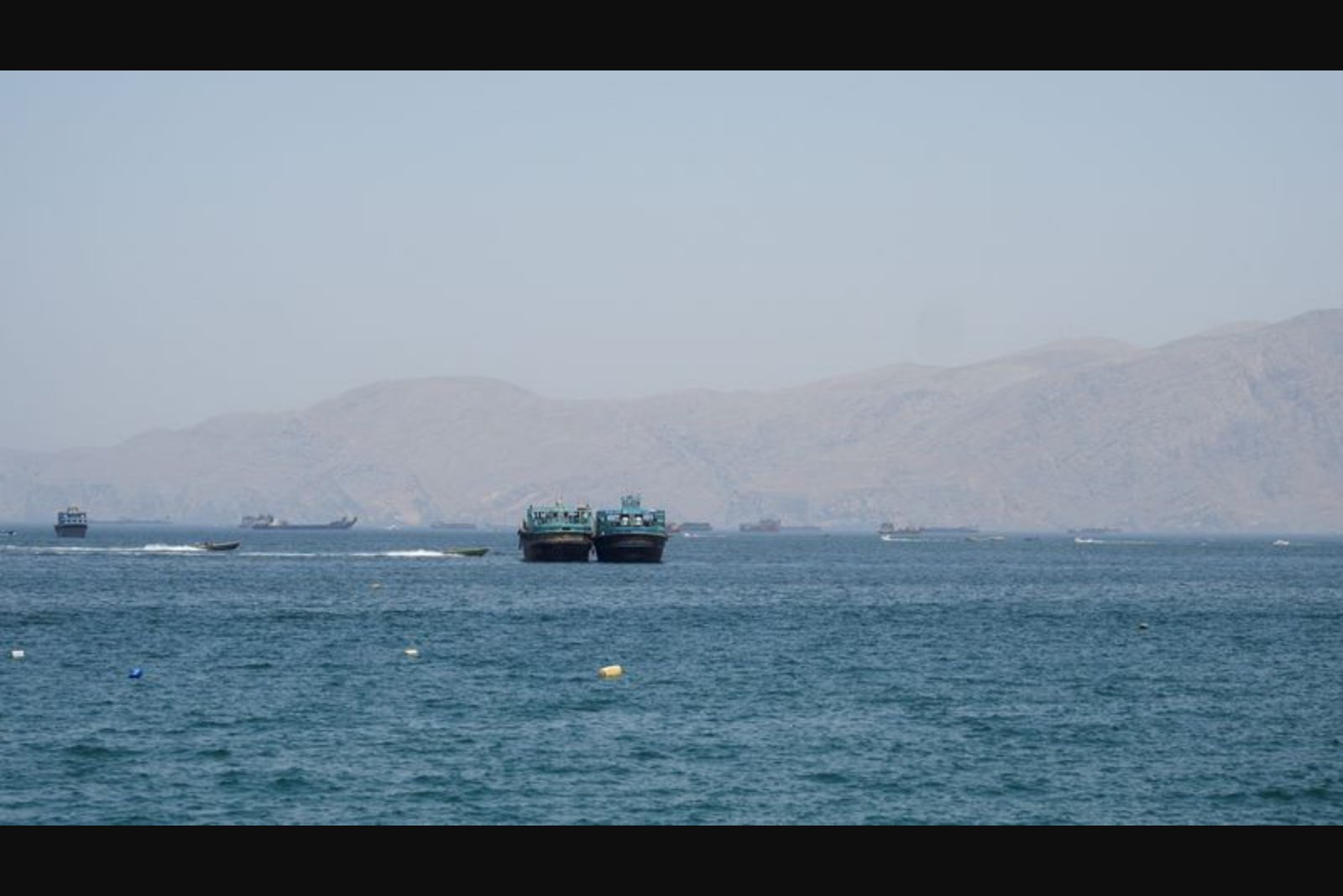
Diplomats in Washington and Tehran have shifted focus from an ambitious, all-encompassing ceasefire to a narrower, temporary arrangement intended to pause hostilities and allow maritime traffic to resume in the Strait of Hormuz. Sources in both capitals have described current discussions as centring on a memorandum of understanding that would create breathing room for further negotiations rather than resolving every outstanding dispute immediately.
Three-stage framework under discussion
According to officials briefed on the talks, the proposed approach would unfold in three distinct phases:
- Formally declaring an end to the active war;
- Resolving the immediate crisis that has resulted in restricted navigation through the Strait of Hormuz; and
- Establishing a 30-day window during which negotiators would attempt to move toward a broader, more durable settlement.
Those involved caution that even this limited construct contains significant gaps. The more intractable disputes that have fuelled the confrontation - including Iran's nuclear activities - would still require extensive technical work and protracted diplomacy to resolve.
Key dispute areas
The core topics that negotiators would need to confront, whether within a limited memorandum or as part of a future comprehensive deal, include:
- Ending the war. U.S. President Donald Trump has framed the conflict as close to a resolution conditional on Iran accepting specified terms. Tehran, however, distrusts both President Trump and Israeli Prime Minister Benjamin Netanyahu. Iranian officials point to their own decision to launch an attack in February despite an earlier ceasefire that had concluded a previous U.S.-Israeli air campaign last year. Officials note both that those earlier strikes occurred without prior announcement during simultaneous diplomatic efforts, and that Israeli strikes during ceasefires in Gaza and Lebanon have reinforced Iranian scepticism about the durability of any truce. As a result, Iran seeks some form of external guarantee that a cessation of hostilities would be sustained.
- Strait of Hormuz and Gulf blockade. Control of maritime access through the Strait of Hormuz and the United States' blockade of Iranian ports are seen by each side as their principal levers. Both sides, however, are experiencing significant pain: Iran's economy faces severe strain as export routes have been choked off, potentially causing a storage crunch and the need to curtail oil production; the blockade and Iran's disruption of passage through Hormuz have meanwhile intensified a global energy shock, occurring months before U.S. midterm elections. Tehran reportedly seeks formal recognition of its control over the strait - a demand that would likely face international opposition.
- Nuclear programme. The United States maintains that Iran aspires to a nuclear weapon, an allegation Iran denies, asserting its programme is aimed at peaceful energy production. Washington's negotiating stance includes demands that Iran relinquish uranium enrichment rights for 20 years and surrender its stockpile of highly enriched uranium. Iran, for its part, wants its right to enrich uranium to be acknowledged. While some participants believe an eventual compromise might include a multi-year moratorium on enrichment and the export of highly enriched uranium, such an outcome still appears distant.
- Ballistic missiles. Before the war, U.S. negotiators had sought limits on the range of Iran's ballistic missiles to ensure they could not reach Israel. U.S. officials say the course of the war has degraded Iran's missile inventories, and it is uncertain whether range restrictions would remain a condition in a broader agreement. Iran has consistently refused to discuss limitations on its ballistic missile forces, arguing that its conventional arms are not negotiable and noting that it continues to possess a large missile arsenal.
- Sanctions and frozen assets. Longstanding sanctions have contributed to economic hardship inside Iran, a factor linked in part to nationwide unrest earlier this year. Tehran is pressing for sanctions relief and the release of frozen assets, and it has also sought reparations for wartime damages - a demand that the United States appears unlikely to accept. It is unclear whether Iran will maintain reparations as a firm precondition for any future deal.
- Regional conflicts involving Hezbollah. Iran has previously insisted that Israel's military actions against Hezbollah in Lebanon be addressed within any comprehensive settlement. Israel rejects folding that campaign into a U.S.-Iran deal, and sources say it remains uncertain how strongly Iran will press the issue in subsequent negotiations.
Positions of Israel and Gulf states
Israel is not a direct participant in the bilateral U.S.-Iran discussions. Israeli Prime Minister Benjamin Netanyahu was reported to favour continuing the campaign, and he would be reluctant to see Israel's operations against Hezbollah governed by an agreement concluded between Washington and Tehran.
Gulf states are divided on the best path to end the conflict. Several states in the region have been targeted by Iranian actions during the war and would oppose an arrangement that left Iran free to continue such operations or that recognised Iranian authority over the Strait of Hormuz - a primary artery for their trade. There is also concern among Gulf capitals that Washington might not place their security and commercial priorities high on the agenda of any U.S.-Iran negotiation.
Potential roles for external powers
European countries, which imposed their own sanctions on Iran and were heavily involved in the 2015 nuclear agreement, are said to want a role in any future settlement addressing the nuclear question. France, Germany and Britain have previously taken part in such diplomacy and have offered to help secure free passage through Hormuz after hostilities end.
China, as a major purchaser of Gulf oil that transits the Strait of Hormuz, might be viewed by Tehran as a possible guarantor in any agreement, but there is no indication China is prepared to assume such a role. Iran may also see Russia as a potential participant in handling issues related to its highly enriched uranium stocks, although it is unclear whether Washington would accept Russian involvement in that capacity.
This account reflects the proposals and positions described by officials and sources involved in current discussions. It outlines what negotiators are reported to be attempting to achieve and the major unresolved disputes that would still need to be addressed for a comprehensive settlement.