
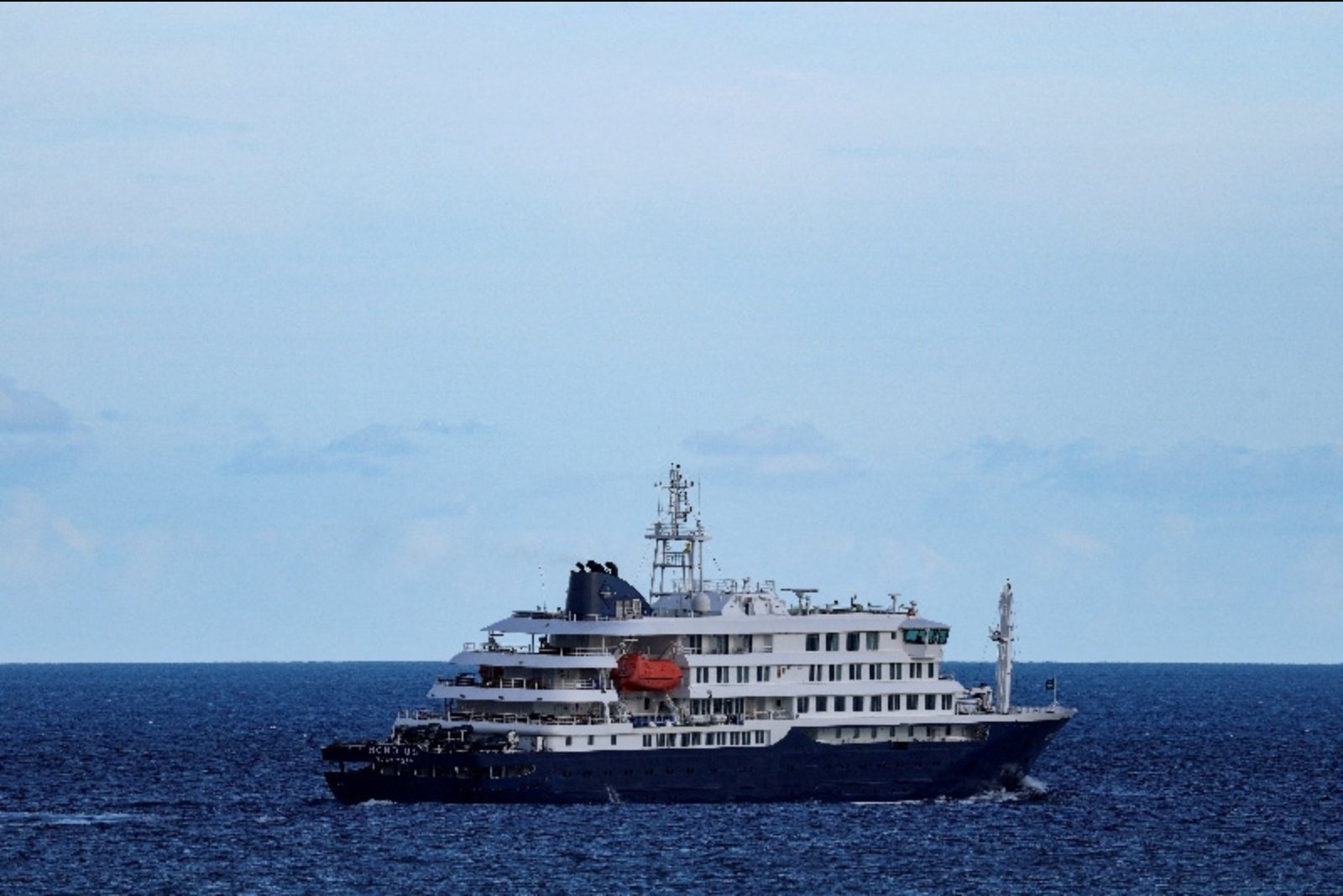
An outbreak of the Andes strain of hantavirus on the cruise ship MV Hondius has thrust communicators back into familiar territory - explaining a potentially serious but limited public health event while suppressing unnecessary alarm. The incident, which has been tied to 11 reported cases and three deaths among people who were on board, is testing how health agencies apply lessons learned during the COVID pandemic.
Public health teams face a narrow communications path: provide clear, evidence-based information quickly, acknowledge remaining uncertainties, and dispel falsehoods without amplifying panic. That challenge has been visible in social media reactions, where some users have compared the situation to early COVID outbreaks and others have spread unproven prevention claims and conspiracy theories.
How officials are approaching messaging
Representatives of leading public health bodies said that communicating well is now a core operational concern. "We spend half of our time discussing how we will communicate," said Gianfranco Spiteri, emergencies lead at the European Centre for Disease Prevention and Control. That emphasis reflects hard lessons from the pandemic era, when delayed responses, mixed messages, widely varying restrictions and vaccination strategies, and politicization all contributed to public confusion and a rise in misinformation.
One indicator cited by officials of the pandemic's legacy is a decline in public faith in health institutions: a study noted that confidence in public health bodies fell in 20 of 27 EU countries between 2020 and 2022. The erosion of trust has heightened the stakes for clear, consistent outreach during new outbreaks.
Specific actions and timelines
Since the hantavirus incident was disclosed on May 3, international agencies and national authorities have taken multiple steps to inform the public. The World Health Organization has held regular press briefings, issued alerts and run social media question-and-answer sessions aimed at countering misinformation. WHO chief Dr Tedros Adhanom Ghebreyesus also published an open letter to residents of Tenerife - where the Hondius docked - urging calm and stating plainly: "But I need you to hear me clearly: this is not another COVID. The current public health risk from hantavirus remains low. My colleagues and I have said this unequivocally, and I will say it again to you now."
In the United States, the Centers for Disease Control and Prevention issued its first communication on the event on May 8, five days after news of the outbreak became public, and subsequently ramped up information sharing. Critics and observers point to the timing of communications as a continuing area for improvement, arguing that rapid public updates help to prevent rumor and fear from filling information vacuums.
What is known about the virus and the outbreak
Authorities report that the viral samples taken from the ship show no meaningful variation from the Andes hantavirus strain that has circulated in parts of Argentina and Chile for decades. Unlike the novel coronavirus that caused COVID-19, hantavirus strains like the Andes virus are established pathogens with known control measures, and they have rarely spread widely among humans.
As of a recent Thursday update, there were 11 reported hantavirus cases linked to the incident and three fatalities, all among people who had been on board the Hondius. Dozens of other passengers are being monitored as they return to roughly 20 countries. Officials say there are established measures to limit hantavirus transmission, although some scientific uncertainties about the virus remain.
Public reaction and misinformation
Social platforms have amplified concerns ranging from calls for lockdown-style restrictions to promotion of unproven prevention measures. Posts falsely elevating hantavirus to a threat comparable to COVID have circulated alongside claims that medications such as ivermectin or supplements like vitamin D and zinc can prevent or treat infection despite a lack of scientific support. Conspiracy theories have also appeared, including baseless assertions that the outbreak is linked to COVID vaccination or that it is being fabricated to benefit pharmaceutical companies.
Experts argue that the public needs help interpreting what they read online. "We need to do more preparatory work to create resilience in the population," said Sander van der Linden, a psychology professor at the University of Cambridge and a specialist in misinformation. That preparatory work could involve pre-emptive education on common false narratives people may encounter during outbreaks.
Diverse views from health specialists
Voices within the medical and public health community emphasize a balance between urgency and reassurance. Gustavo Palacios, a hantavirus expert at Mount Sinai's Icahn School of Medicine who is originally from Argentina, cautioned that perspective has been lost in some online discussions: "We have kind of lost perspective." He urged recognition that an event can merit strong public health attention without becoming a pandemic.
Former WHO communications lead Gabby Stern, who stepped down in September of the prior year, saw improvement in how agencies now share information. "I’m definitely seeing improvements," she said, pointing specifically to the tendency to release verified information as it becomes available rather than waiting to present a complete narrative.
Michael Osterholm, an infectious disease expert at the University of Minnesota, stressed the influence of words. "One of the things this is teaching us is a lesson we should have learned from COVID: What we say is really important," he said, highlighting the reputational and behavioral consequences of official statements.
The cruise-ship dynamic and local perceptions
The setting of a quarantined cruise ship has revived memories of early COVID outbreaks on vessels, most notably where large numbers of passengers and crew became infected after a ship was held off a national coast. The image of a quarantined liner has proven emotionally potent, prompting sharp public reactions even when the epidemiological risks differ.
Local scenes in Tenerife reflected that emotional response. As passengers began to disembark under strict infection-control measures, the arrival of WHO leadership and Spanish officials on the island reinforced the perception among some residents that the situation required careful oversight. "It gave me the impression that this isn’t just the flu - otherwise all these people wouldn’t be coming," said Laura Millán, 40, who was observing arrivals at a playground and welcomed the additional scrutiny as a means to ensure appropriate measures were being taken.
Ongoing uncertainties and the way forward
Health authorities are attempting to strike a balance: underscore that established control measures exist and that the immediate public health risk is low, while candidly acknowledging remaining unknowns. That combination seeks to reduce needless fear without glossing over legitimate concerns that merit monitoring.
The coming days and weeks will show whether current communications and monitoring tactics succeed in calming public anxiety, containing misinformation, and ensuring coordinated international follow-up for returning passengers. For now, officials say they are aiming for speed and transparency in their outreach, informed by recent experience with pandemic communication missteps.