
Overview
Asian currencies continued to come under pressure on Friday as stronger U.S. economic data pushed the dollar higher and reinforced bets that the Federal Reserve will maintain a hawkish policy bias. The Indian rupee plunged to a fresh record low against the dollar, while other regional currencies tracked broad dollar strength.
Dollar momentum and U.S. data
The US Dollar Index rose about 0.2% during Asian trading, marking a fifth consecutive session of gains and positioning the dollar for its largest weekly advance in more than two months. Investors cited a sequence of U.S. releases that underscored the resilience of the American economy.
On Thursday, U.S. retail sales increased by 0.5% in April, in line with economists' forecasts, and weekly jobless claims remained relatively low - both signals consistent with a firm labour market. Import prices also climbed 1.9%, a move driven in part by the biggest jump in fuel costs in four years. Earlier in the week, U.S. consumer and producer inflation readings had also come in stronger than expected.
These data have led markets to largely discount the prospect of a Federal Reserve rate cut this year. According to CME FedWatch metrics, the implied probability of a 25-basis-point rate rise in December rose to around 40% from roughly 22% a week earlier.
Regional currency moves
Among major Asian crosses, USD/JPY ticked up 0.1% and was set for a weekly gain of about 1.2%, a move that keeps market participants watchful for potential intervention from Japanese authorities. USD/KRW rose 0.3% and was on track for a roughly 2.5% weekly increase.
The Australian dollar weakened, with AUD/USD down 0.5% on the day. The Singapore dollar also saw the USD/SGD pair tick up about 0.1%, leaving it on course to rise roughly 1% for the week.
Meanwhile, USD/CNY in the onshore market edged up 0.2% following seven straight sessions of Chinese yuan losses, with the currency receiving some relative support from optimism tied to the U.S.-China summit in Beijing.
Trump-Xi summit and political developments
Markets were attentive to the ongoing summit between U.S. President Donald Trump and Chinese President Xi Jinping. On the first day of talks, Xi told Trump that progress had been made in trade discussions but cautioned that disagreements over Taiwan could push bilateral ties into a "dangerous place." The two leaders also discussed Middle East tensions, cooperation on artificial intelligence, and energy trade, with Trump later saying China was interested in purchasing more U.S. oil.
Despite these exchanges, the summit concluded its first day without any major policy announcements or concrete trade agreements, leaving markets cautious. Sentiment was further strained after President Trump posted a hawkish comment on Iran, stating on social media that "the military decimation of Iran (to be continued!)."
Indian rupee weakens to fresh low
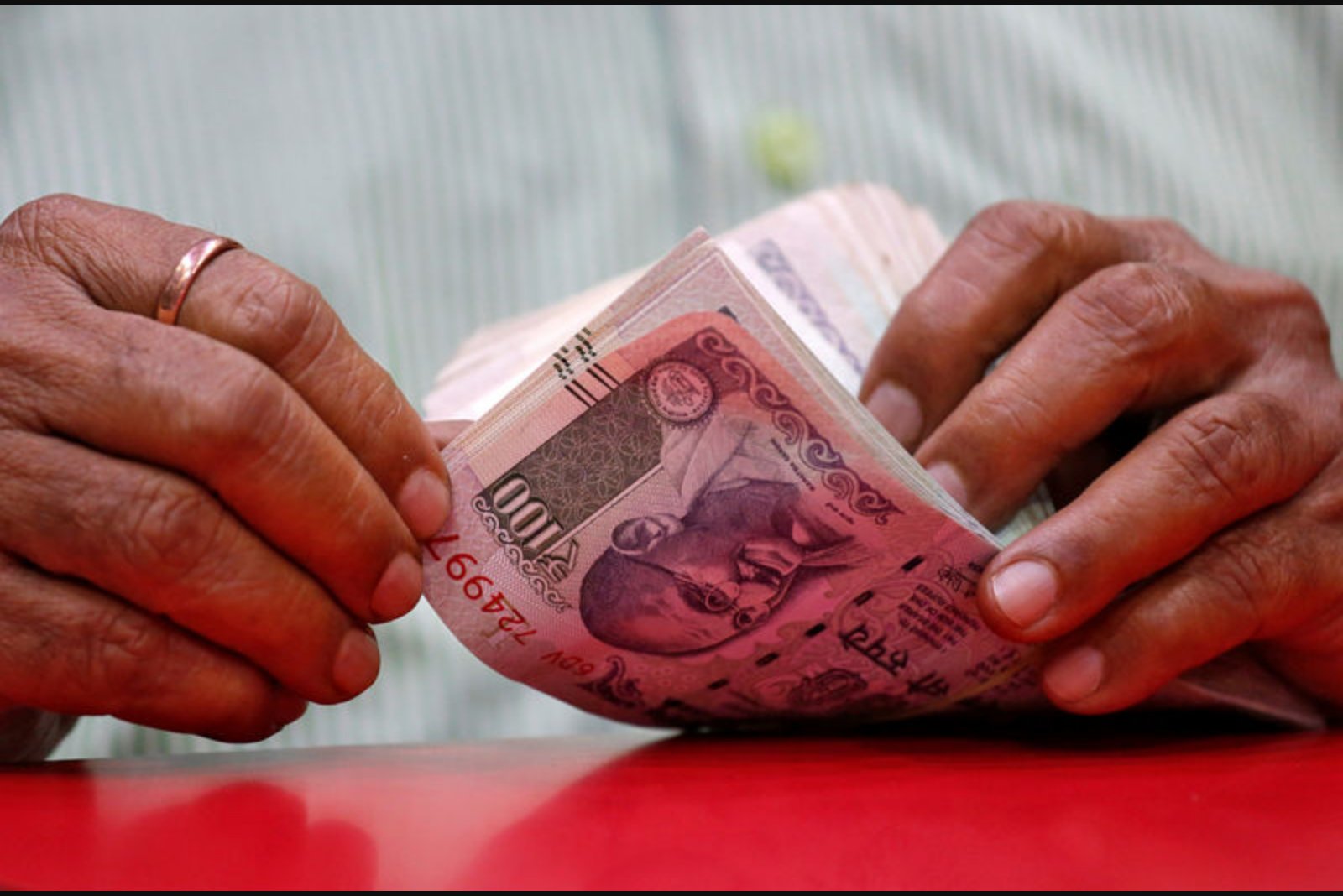
The Indian rupee remained under heavy pressure. The USD/INR pair climbed to a record high of 95.96 rupees, with the pair set to finish the week roughly 1.3% higher. The rupee's decline was attributed to several factors cited by market participants: sharply higher crude oil prices, foreign fund outflows, and worries about India’s widening import bill.
India, which imports substantial volumes of crude, has been particularly exposed to the recent surge in oil prices, which the article links to disruptions in the Strait of Hormuz. Policymakers in India enacted a cluster of notable policy measures this week described as part of a government austerity push intended to address strains on capital flows and the balance of payments.
Reflecting caution on the currency, MUFG analysts wrote that they remain cautious on the rupee and expect it to underperform key G10 and Asian currencies even in an "de-escalation base case."
Market implications
The combination of firmer U.S. data, a stronger dollar and elevated oil prices has pressured Asian exchange rates, with potential knock-on effects for trade-sensitive economies and markets reliant on foreign capital inflows. Traders will continue to monitor U.S. economic readings, Fed pricing, developments at the Trump-Xi summit and geopolitical rhetoric that could affect risk sentiment and commodity prices.
Note - This article reports market moves, economic data and comments as described above without additional commentary beyond those points.