
In a significant development following high-level diplomatic engagements in Beijing, U.S. President Donald Trump has signaled a potential shift in bilateral trade dynamics, specifically within the energy and aerospace sectors. During a pre-recorded interview with Fox News' Hannity program that aired on Thursday evening, the President reported that China has agreed to purchase oil and energy from the United States following an initial session of talks with President Xi Jinping.
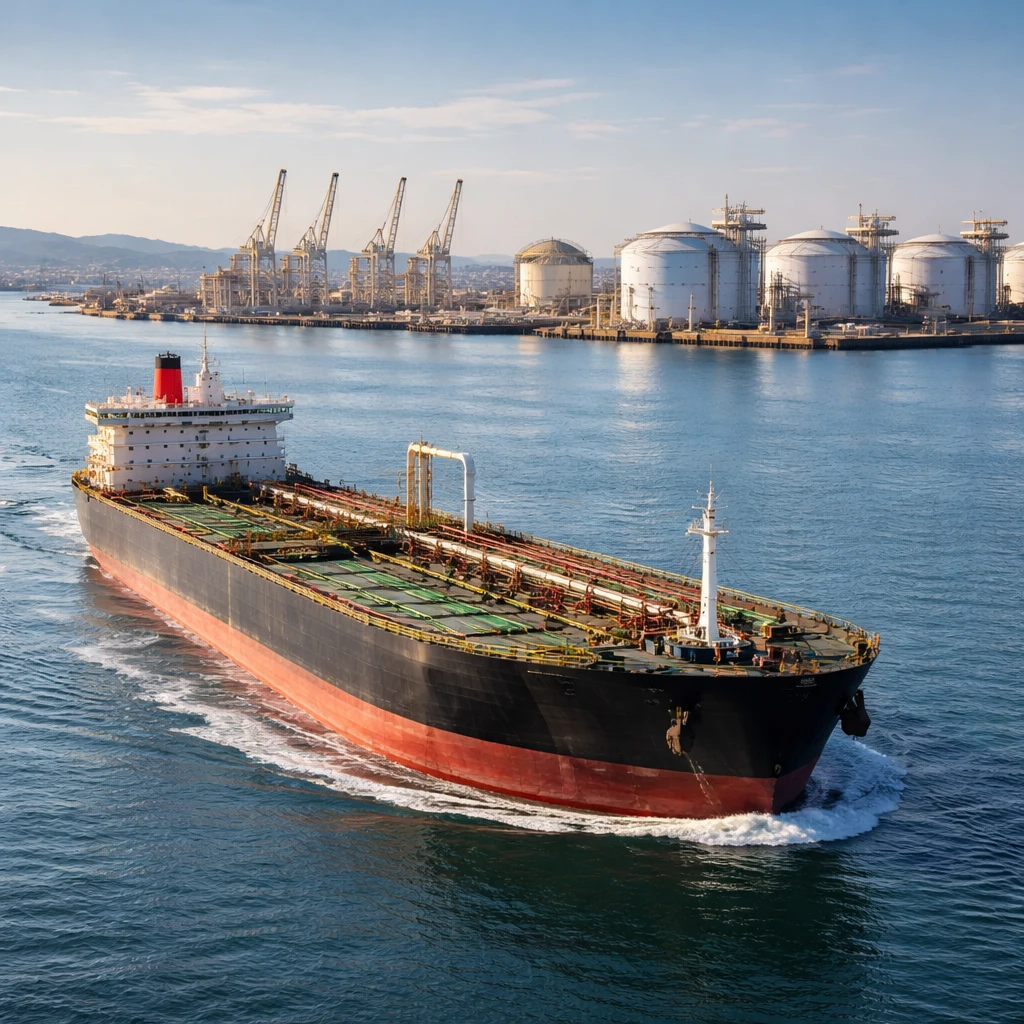
Trump detailed that China intends to source its energy needs from specific U.S. hubs, stating that "they're going to go to Texas, they're going to start sending Chinese ships to Texas and to Louisiana and to Alaska." The President framed this agreement as a response to China's "insatiable appetite" for energy resources. This potential increase in U.S. energy exports comes at a time when China has historically purchased relatively little oil from the United States, instead functioning as a major importer of Iranian crude. Data from the U.S. government indicates that China imported approximately 1.4 million barrels per day of Iranian oil in 2025.
The geopolitical landscape surrounding energy flows remains complex. Shipping through the Strait of Hormuz has faced potential disruptions due to the ongoing war between the U.S. and Israel against Iran, though reports since March have noted that some Chinese tankers have successfully navigated the strait. While global oil prices have seen a sharp increase since the start of the Iran war, Trump remarked in his interview that the rise in prices was not as significant as he had anticipated.
Diplomatic discussions also extended to regional security and non-proliferation. Trump stated that President Xi expressed a desire for an end to the conflict in Iran and maintained that China does not want Tehran to possess nuclear weapons. Furthermore, Trump claimed that Xi agreed to refrain from supplying weapons to Iran. In a related tone, the U.S. President called for Iran to accept a peace deal, issuing a warning that Washington possesses the capability to execute even more debilitating strikes against the nation.
In terms of industrial and financial trade, Trump announced that China has also agreed to acquire 200 Boeing jets. The President further indicated he would push for greater access for major payment entities, such as Visa, within the Chinese market. While China's foreign ministry acknowledged on Friday that a "series of new consensus" was reached during the Thursday talks, the ministry did not provide specific elaborations on the contents of these agreements.
As President Trump concludes his three-day visit to China, further negotiations between the two leaders are scheduled for Friday. However, tensions remain regarding regional stability, as Beijing has indicated that Taiwan remains a primary focus of the discussions, warning that any mismanagement of the situation could lead to conflict.
Key Economic Drivers and Market Impacts
The reported developments highlight several sectors poised for impact:
- Energy Sector: The potential for increased oil exports from Texas, Louisiana, and Alaska to China could significantly alter trade flows and demand profiles for U.S. energy producers.
- Aerospace and Defense: The agreement regarding the purchase of 200 Boeing jets represents a major potential backlog conversion and revenue driver for the aerospace manufacturing industry.
- Financial Services: The push for Chinese market access for providers like Visa could influence long-term capital allocation and service integration in the global payments sector.
Risks and Uncertainties
Several factors present ongoing risks to these potential economic outcomes:
- Geopolitical Instability: Ongoing conflicts, specifically the U.S.-Israel war on Iran and tensions regarding Taiwan, create volatility that could disrupt trade agreements or lead to conflict.
- Supply Chain and Shipping Risks: Potential disruptions in the Strait of Hormuz remain a critical uncertainty for global energy stability and the reliability of oil flows.
- Lack of Official Detail: The absence of specific details from the Chinese foreign ministry regarding the "new consensus" reached leaves the exact terms of these trade agreements unverified.