
Summary
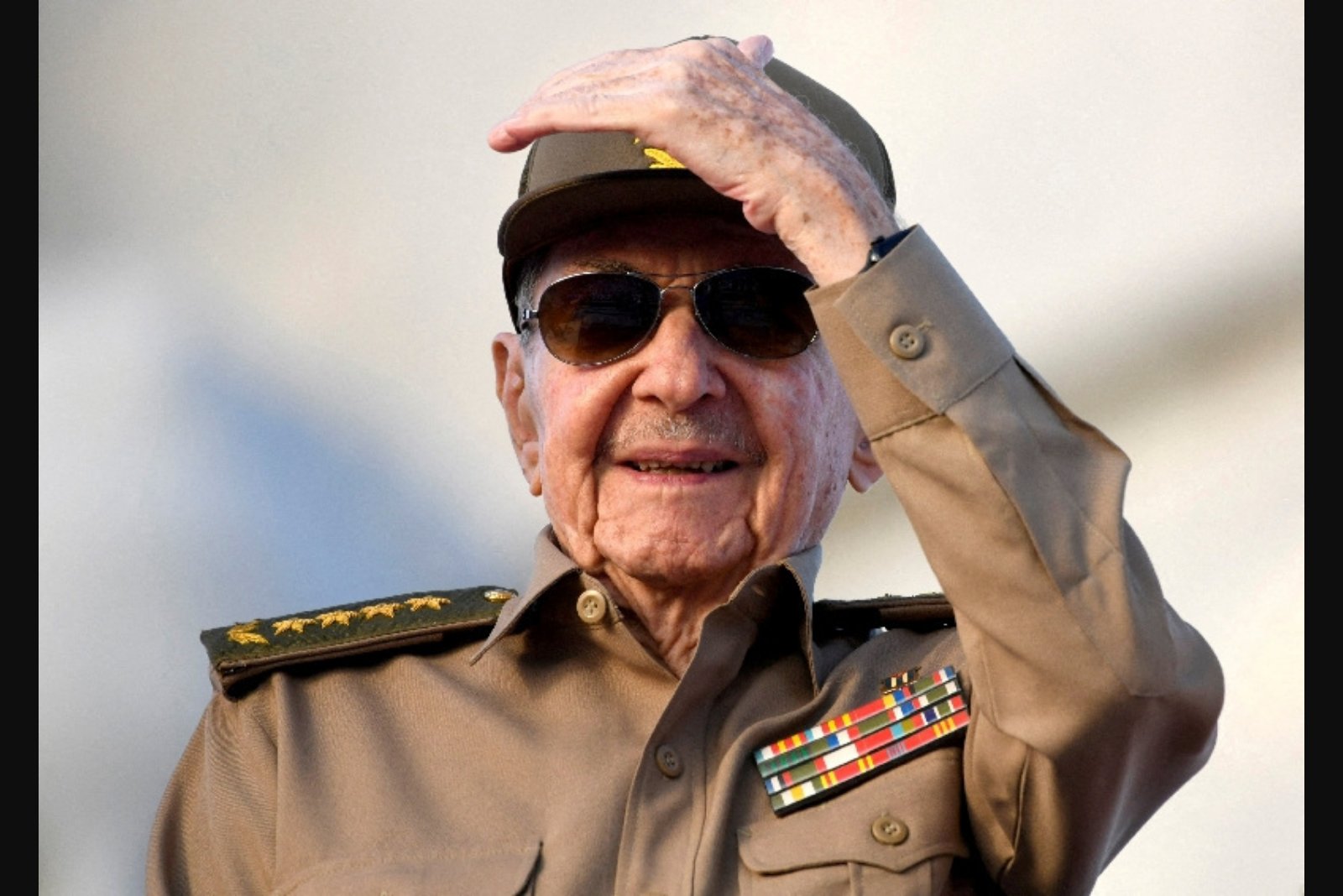
U.S. officials indicated late on Thursday that prosecutors plan to seek an indictment against Raul Castro, the 94-year-old former Cuban president and brother of Fidel Castro, in a case related to the 1996 shootdown of planes operated by the humanitarian group Brothers to the Rescue. The timing of any formal charging decision is uncertain and would require approval from a grand jury, though a Justice Department official who spoke on condition of anonymity said the action appears imminent.
What officials say
The official, who was not identified, said the expected indictment would center on the downing of aircraft. CBS earlier reported that the matter concerns the deadly 1996 incident in which Cuban forces shot down planes operated by Brothers to the Rescue. Requests for comment placed outside normal business hours to representatives of Cuba's foreign ministry received no immediate reply. A spokesperson for the U.S. Justice Department did not immediately respond to a request for comment.
Legal oversight
The U.S. Attorney's Office for the Southern District of Florida has been leading an effort to review possible criminal charges against senior Cuban government officials, according to officials. The process described by sources includes the need for grand jury approval before formal indictments can be handed down.
Context of bilateral tensions
The development arrives as relations between Washington and Havana remain fraught. The Trump administration has publicly characterized Cuba's current communist-run government as corrupt and incompetent and has pursued policies aimed at prompting a regime change. President Donald Trump has increased pressure on the island, including threats of sanctions against nations that supply Cuba with fuel - steps that administration officials say have amounted to an effective blockade. Those measures have been linked by the administration to power outages and broader economic damage on the island.
Diplomacy and talks
Earlier this year officials from both countries acknowledged they were engaged in discussions, but those negotiations appeared to stall amid the U.S. fuel blockade. On Thursday, the Cuban government confirmed a meeting had occurred with CIA chief John Ratcliffe. A CIA official said Ratcliffe told Cuban intelligence officials that the United States was prepared to engage on economic security matters if Cuba implements what he described as "fundamental changes."
Historical and strategic notes cited by officials
U.S. officials noted that prior administrations have, at times, used criminal charges against foreign political figures in support of broader operations. In January, when U.S. military forces carried out an action in Venezuela, the Trump administration characterized the raid as a "law enforcement operation" intended to bring Venezuela's President Nicolas Maduro to New York to face criminal charges. In March, President Trump warned that Cuba "is next" after Venezuela.
What remains unclear
Key questions remain unanswered at this stage, including the timing of any indictment and whether a grand jury will return charges. Officials contacted for comment did not immediately provide responses, leaving the precise scheduling and legal scope of any action unresolved.
This article presents the facts reported by U.S. and Cuban officials and statements attributed to U.S. government sources. It does not speculate about potential outcomes beyond those described by those sources.