
Oil prices moved higher in Asian trading on Friday, with both Brent and WTI futures climbing as traders reacted to continued disruption in the Strait of Hormuz and closely followed a second day of high-level talks between U.S. President Donald Trump and Chinese President Xi Jinping in Beijing.
Market moves - By 20:13 ET (00:13 GMT) Brent crude futures had risen 0.8% to $106.52 a barrel, while U.S. Crude Oil WTI futures were up 0.7% at $101.84 a barrel. Both contracts were on track to finish the week up roughly 5% to 7%.
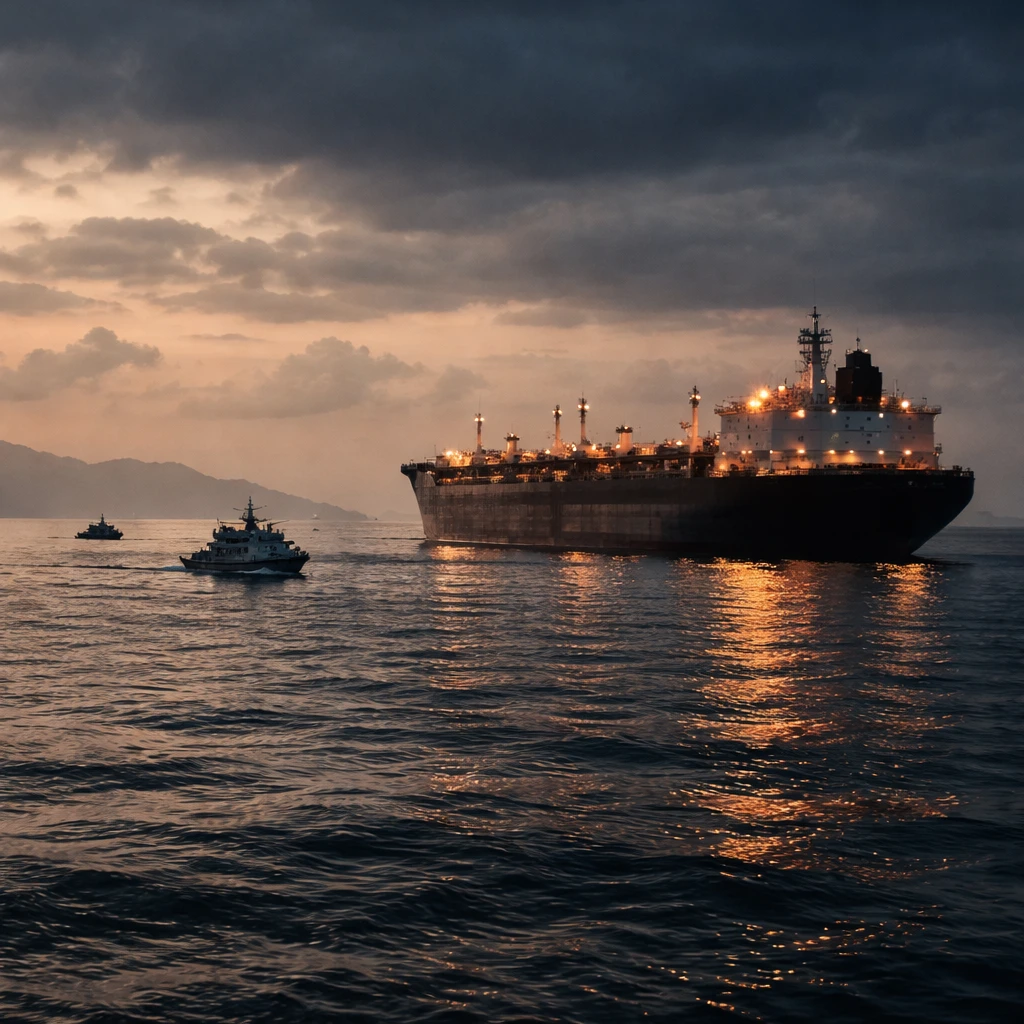
Strait of Hormuz and shipping - The market remained focused on the Strait of Hormuz, a chokepoint that normally carries about one-fifth of global oil shipments. Although Iranian state media reported that roughly 30 vessels had transited the waterway this week, overall shipping traffic stayed well below usual volumes. Tanker operators are reportedly reluctant to resume normal transit operations because of security concerns, and the effective limitation of flows has sustained upward pressure on prices.
Compounding those concerns, a recent ship seizure near the Gulf of Oman and continued military patrols in the region have reinforced fears that energy exports from the Middle East could be constrained for a prolonged period.
Diplomatic talks in Beijing - Investors were also watching developments in Beijing, where Trump and Xi held talks that included discussion of the Iran conflict, energy security and trade ties. According to White House statements, both leaders agreed that the Strait of Hormuz must remain open to preserve global energy flows. The White House also said Xi expressed interest in increasing purchases of U.S. crude as a means to diversify supplies away from the Gulf chokepoint.
Market sentiment and drivers - Some analysts said market hopes that China could exert pressure on Iran toward a broader settlement had helped limit what might otherwise have been a larger price spike. Those moderating influences, however, were balanced by hawkish rhetoric from the U.S. side: in a Truth Social post early Friday, President Trump wrote, "the military decimation of Iran (to be continued!)."
Further support for crude prices came from official U.S. supply data. The U.S. Energy Information Administration reported on Wednesday that domestic crude inventories fell by 4.3 million barrels in the latest week, a larger decline than analysts had anticipated. That drawdown was taken as evidence of resilient export demand and tighter supply conditions in the U.S. market.
Adding to the supply concern framework, the International Energy Agency warned this week that the global oil market could remain "severely undersupplied" through October even if the conflict eases next month.
Key takeaways
- Brent rose 0.8% to $106.52 and WTI gained 0.7% to $101.84 by 20:13 ET, with both contracts set to climb roughly 5%-7% for the week.
- The Strait of Hormuz continues to operate well below normal shipping levels despite reports of about 30 transits this week, keeping market focus on potential prolonged supply disruption.
- Diplomatic discussions between President Trump and President Xi in Beijing addressed the Iran conflict, energy security and trade ties, with leaders agreeing on the need to keep the strait open and China expressing interest in boosting U.S. crude purchases.
Risks and uncertainties
- Persistent security risks in the Strait of Hormuz, including recent ship seizures and military patrols, could maintain pressure on oil exports from the Middle East and thus on global oil prices - affecting energy and shipping sectors.
- Market reaction to geopolitical rhetoric, such as the President's public statements, may increase volatility in oil markets and influence investor sentiment across energy and commodities markets.
- Supply-side developments reflected in inventory data - such as the reported 4.3 million-barrel draw in U.S. crude stocks - and warnings from the International Energy Agency about potential undersupply through October create uncertainty for refining and downstream sectors.