
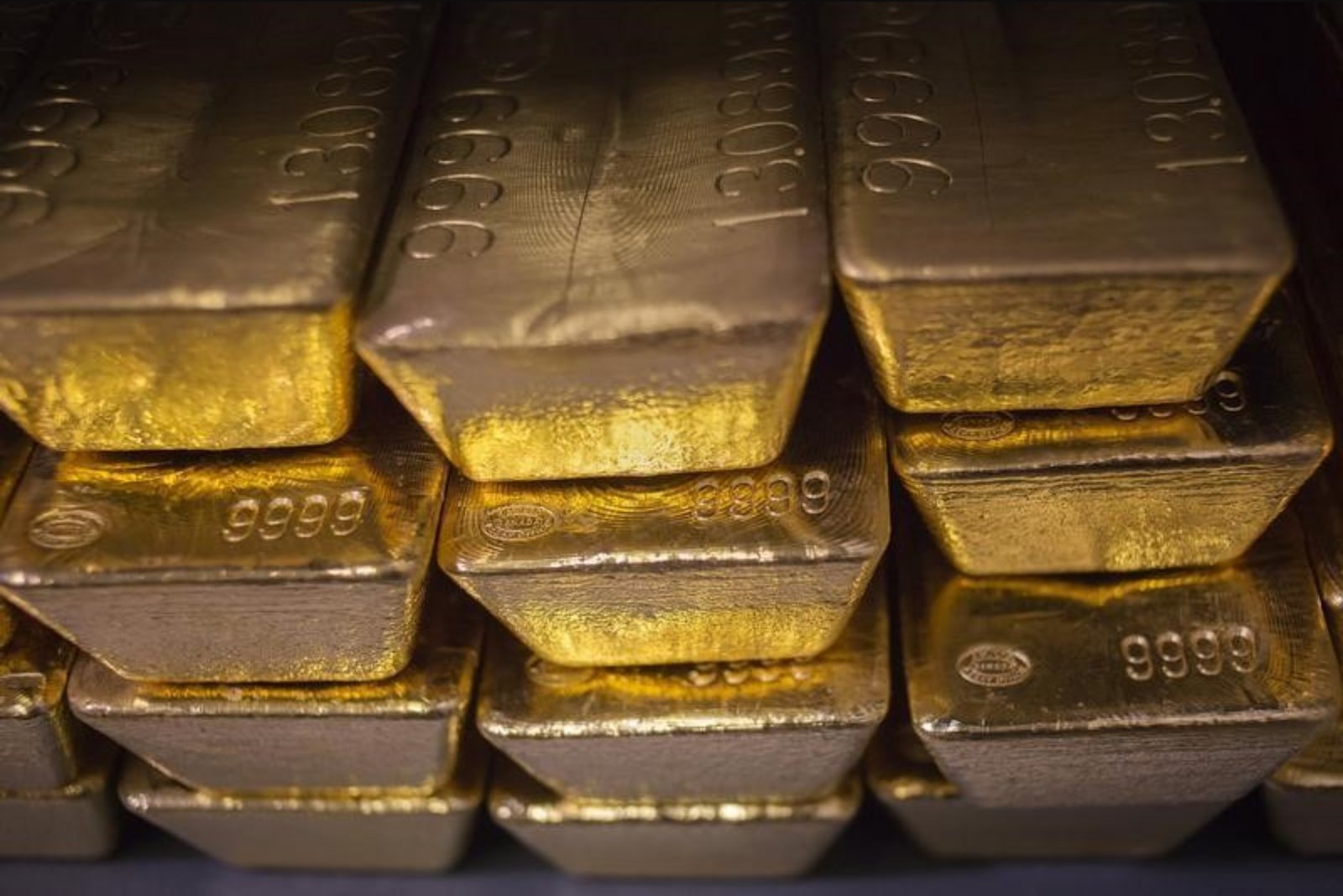
Spot gold declined 0.7% to $4,620.67 an ounce by 21:45 ET (01:45 GMT), while U.S. Gold Futures fell 1.3% to $4,624.87 an ounce, extending a multi-day slide that left bullion down roughly 2% for the week.
The US Dollar Index climbed 0.3% in Asian trading, reaching a two-week high, and was on track to gain more than 1% for the week. The stronger dollar has made gold more costly for buyers using other currencies, contributing to the metal's pullback.
A string of upbeat U.S. economic readings this week reinforced expectations that inflationary pressures remain elevated. Producer prices showed their biggest annual increase in four years in April, and consumer inflation figures also surprised to the upside. Retail sales data underlined resilient consumer demand despite rising energy costs. Together, these reports prompted traders to scale back expectations for Federal Reserve rate cuts this year, with some investors even beginning to price in the possibility of additional tightening.
Gold, which is often purchased as a hedge against inflation and geopolitical uncertainty, typically loses relative appeal when interest rates rise because it does not generate interest income. That dynamic has weighed on bullion as markets reassess the timing and magnitude of potential Fed easing.
Market participants were also closely watching the Beijing summit between U.S. President Donald Trump and Chinese President Xi Jinping for signals on trade ties and for any indications on how the Iran conflict might be addressed. While both sides described the talks as constructive, no major policy breakthroughs had been disclosed after the first day of meetings. At the same time, President Trump posted a hawkish message on Truth Social early Friday, stating “the military decimation of Iran (to be continued!).” The comment served as a reminder that geopolitical risk remains salient even as investors looked for diplomatic progress between Washington and Beijing.
Complicating the outlook for bullion, higher oil prices resulting from disruptions in the Strait of Hormuz have added to concerns about sustained inflationary pressure globally. Rising energy costs were noted in the same set of data that signaled durable consumer demand.
Other precious metals saw notable declines on the day. Silver tumbled 2.6% to $81.30 per ounce, while platinum eased 1.5% to $2,028.60/oz.
Context and market implications
The short-term pressure on gold reflects a combination of a firmer dollar, stronger U.S. inflation and sales data, and heightened geopolitical uncertainty. Traders have adjusted expectations for monetary policy accordingly, reducing the near-term likelihood of Fed rate cuts and in some cases pricing in further tightening.