
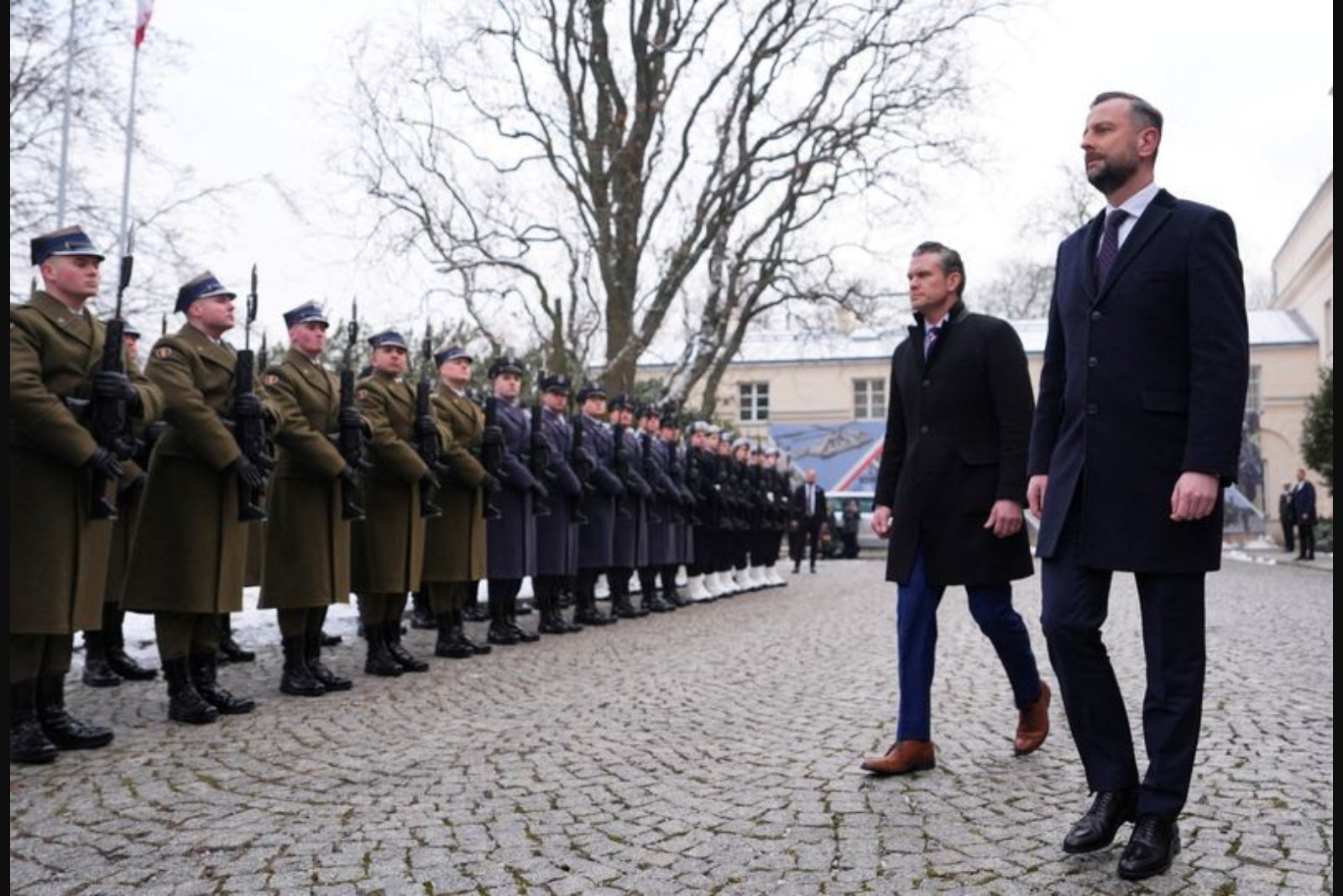
May 14 - The Pentagon has scrapped plans to temporarily station 4,000 U.S.-based troops in Poland, two U.S. officials said, in a decision that reopens debate over planned reductions in American forces across Europe. The department has not issued a public statement and lawmakers said they had not been formally notified.
Officials described the move as a surprise. One lawmaker who spoke to reporters said the decision had not been communicated to Congress. A Pentagon spokesperson declined to comment.
Senior U.S. officials had announced only two weeks earlier a separate plan to withdraw 5,000 troops from Germany, a NATO ally. One U.S. official, speaking on condition of anonymity, suggested the canceled Poland deployment was part of a near-term maneuver intended to facilitate the previously announced reduction in Germany, which is home to around 35,000 U.S. forces. Under that explanation, the troops that were slated for Poland could be drawn from other locations.
U.S. leaders have been reviewing force posture in Europe and a reduction in overall troop levels has long been anticipated. The administration has signaled that it expects NATO partners to assume a larger role for European defense, reflecting repeated demands from President Donald Trump for allies to boost their own military efforts. The Pentagon has not released details on how it plans to reposition forces across the continent going forward.
Officials have also cited friction with European governments over the U.S. position on the war with Iran. The president has expressed anger that some European allies did not support U.S. operations in that conflict, and engaged in public disputes with German Chancellor Friedrich Merz, who last month said Iranians were humiliating the U.S. in negotiations.
Senator Jeanne Shaheen, a Democrat on the Senate Armed Services Committee, told reporters the Poland decision appeared to be unexpected. "As far as I know, we weren’t notified about it," she said.
When the withdrawal from Germany was announced, a senior U.S. official said the move would reduce U.S. troop levels in Europe back to roughly pre-2022 figures, prior to the increase in forces that followed Russia's invasion of Ukraine and a subsequent buildup under the administration of then-President Joe Biden.
The decisions to reduce troop numbers also come amid ongoing U.S. pressure on European countries to lift defense spending. Washington has argued that reliance on U.S. forces allowed some allies to defer investment in their own militaries.
An internal Pentagon email made public last month outlined possible measures to penalize NATO allies perceived to have failed to support U.S. operations related to the Iran conflict, including options such as suspending a country from the alliance and reassessing U.S. positions on overseas territorial claims. The email prompted alarm among lawmakers worried about unilateral actions that could damage transatlantic ties.
Congress moved last year to place statutory limits on how far the administration can reduce forces in Europe. Lawmakers from both parties supported a provision in the National Defense Authorization Act that bars U.S. troop levels in Europe from falling below 76,000. The president signed that measure into law in December.
The NDAA provision does provide the president with limited flexibility. It allows troop numbers to be reduced below the 76,000 threshold if the president certifies that he has consulted with NATO allies and supplies independent assessments describing the expected effects on U.S. security, the alliance, and deterrence of Russian aggression.
Late last year, total U.S. troop levels in Europe were about 85,000. How future force posture will be adjusted in light of the recent cancellations and withdrawals has not been detailed by the Pentagon.
Context and immediate implications
- The canceled Poland deployment follows an announcement to withdraw 5,000 troops from Germany, part of a broader review of U.S. forces in Europe.
- Lawmakers report they were not formally notified of the Poland decision, and the Pentagon has not made a public announcement.
- The administration retains the ability under law to reduce forces below a congressional floor if certain certification and consultation requirements are met.