
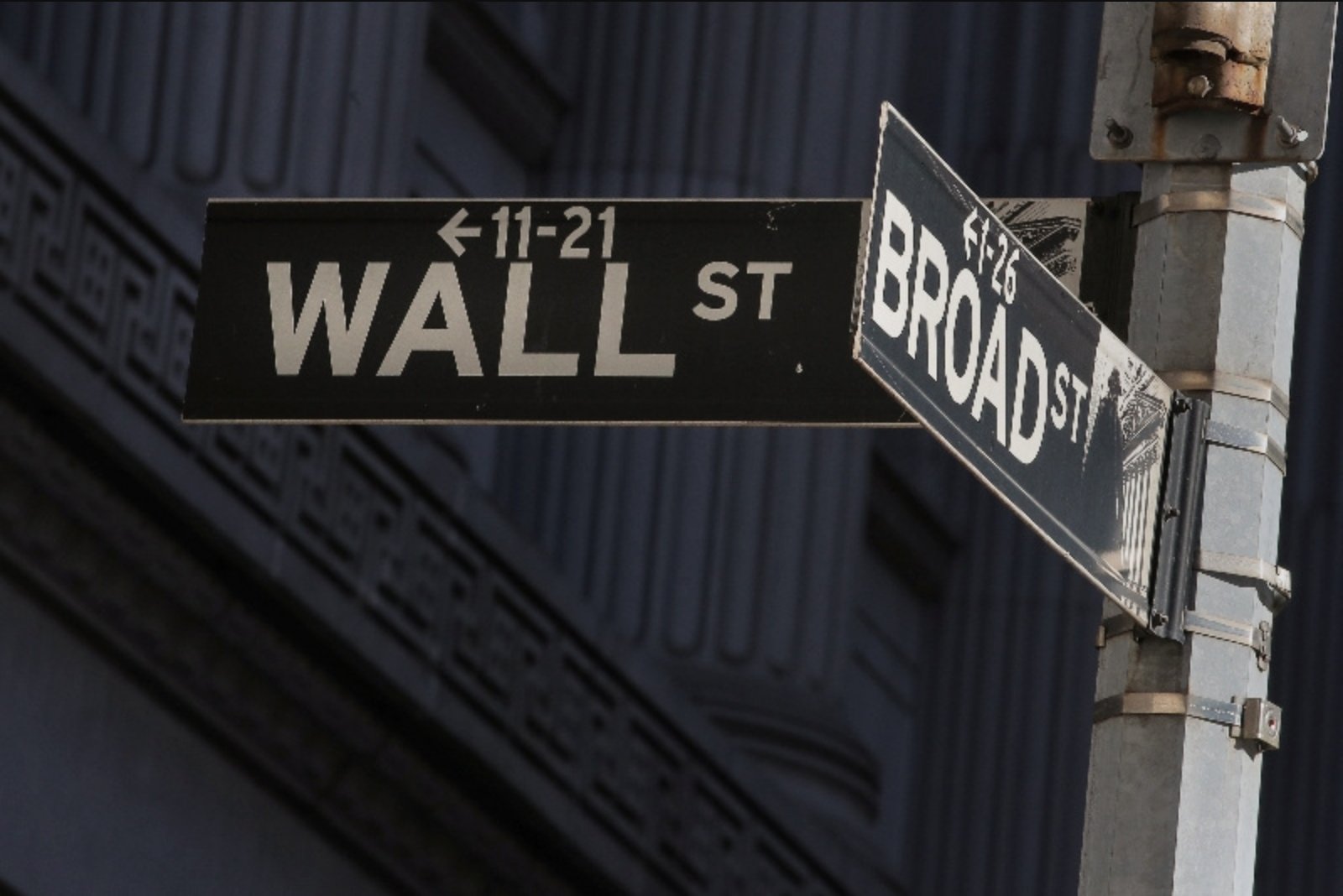
Global markets are confronting a growing tension between bond market warnings and recent equity strength, with fixed-income moves increasingly dictating investor sentiment.
Despite Wall Street reaching fresh highs, helped by a 4% surge in Nvidia after CEO Jensen Huang travelled with former President Trump to Beijing, markets in Asia turned decisively lower. Japan's Nikkei fell by more than 1% following a jump in producer prices - its largest increase in three years - which reinforced market expectations that the Bank of Japan could move to raise rates in June. South Korea's KOSPI plunged by over 3%, and European markets were set to open down roughly 1%.
One of the key macro risk factors now is maritime traffic through the Strait of Hormuz. Iran reports that about 30 ships are passing through the waterway, but that volume is a trickle compared with normal, pre-war levels. The reduced flow, and signals of impatience from Trump after his talks in Beijing, have heightened concern that the strait could remain constricted past June. Market participants worry that prolonged disruption would drain global energy reserves and push the world toward a deeper energy shortage.
Bond markets appear to be positioning for that risk. Soft demand at recent U.S. Treasury auctions this week was an early warning sign, indicating weaker appetite among investors even as inflation pressures are intensifying. The latest 30-year auction cleared at 5% - the first time that coupon level has been seen since 2007. On Friday, the 30-year yield reached 5.061%, marking a 10-month high. Shorter-dated securities have also moved higher, with the two-year yield advancing to 4.055%, a one-year peak.
Higher oil prices and resilient consumer spending are contributing to a rapid repricing of Federal Reserve policy expectations. Markets have pushed the probability of another rate increase this year to 45% - more than double the odds from a week earlier - even assuming Kevin Warsh, President Trump’s nominee to lead the Fed, were to be confirmed.
In light of these developments, some investors may conclude that taking a more cautious stance ahead of the weekend is prudent. The combination of rising yields, strained energy flows, and regional equity weakness has shifted near-term risk assessments.
Key developments to watch on Friday include the conclusion of Trump’s state visit to China - an event that could affect geopolitics and market perception of trade and energy risks.
Market promotion noted in original coverage: Questions about whether to invest $2,000 in NVDA were accompanied by a description of ProPicks AI, which evaluates Nvidia and other companies monthly using more than 100 financial metrics. The tool is presented as identifying stocks with attractive risk-reward profiles based on current data, and cites past winners including Super Micro Computer (+185%) and AppLovin (+157%).