
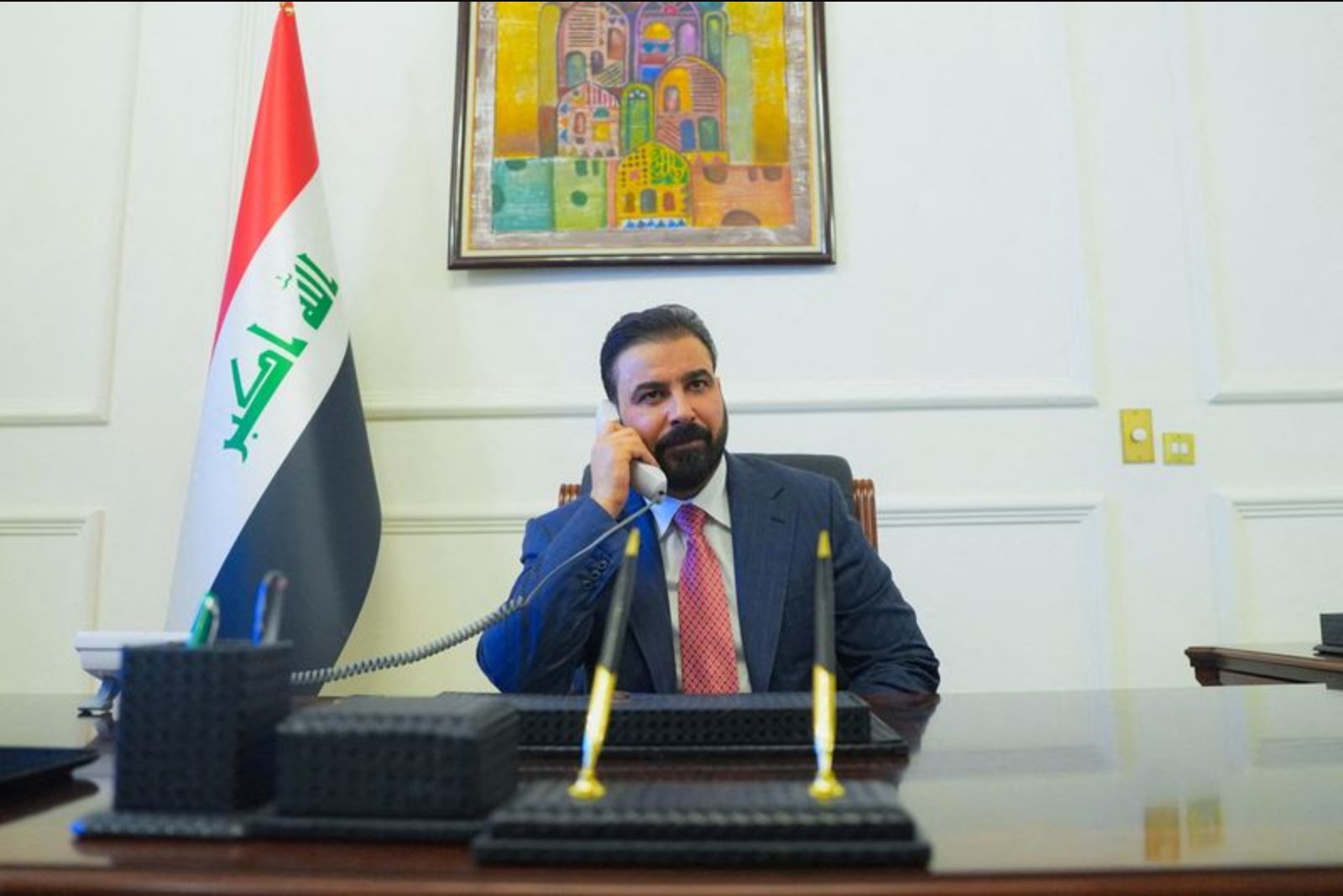
U.S. President Donald Trump said on Friday that he had a telephone conversation with Iraq’s prime minister-designate, Ali al-Zaidi, the day before, and offered unequivocal backing for the politician’s elevation.
Speaking to reporters as he prepared to leave the White House for a trip to Florida, Trump recounted the call and underlined U.S. support. He said, "With our help, he won, and we want him to do very well. And I told him that the United States is with him all the way. It was a great victory, the new head of Iraq is somebody that we support, very strongly," conveying a message of firm endorsement.
The nomination of Zaidi followed a decision earlier in the week by an alliance of Shi'ite political groups known as the Coordination Framework. The coalition named Zaidi as its nominee for the prime minister post on Monday, according to a statement from the group.
Trump framed the contact as part of a broader U.S. interest in preserving a close relationship with Baghdad. He and his administration have said that maintaining strong ties with Iraq is a priority amid what the White House described as ongoing regional tensions and security concerns.
The president’s public remarks came as he departed for Florida; he noted the conversation had occurred on Thursday and used the opportunity with reporters to emphasize U.S. backing for Zaidi’s candidacy and leadership prospects.
Beyond the direct confirmation of the call and the quoted endorsement, the public record in this report is limited to the timing of the exchange, the Coordination Framework’s nomination, and the stated U.S. interest in close ties with Iraq in light of regional security dynamics.
Key takeaways
- President Trump said he spoke with Ali al-Zaidi by phone on Thursday and publicly expressed strong U.S. support for Zaidi.
- The Coordination Framework, an alliance of Shi’ite political blocs, named Zaidi its nominee for prime minister on Monday.
- Washington says it seeks to maintain close relations with Baghdad amid ongoing regional tensions and security concerns, a stance that may influence sectors sensitive to geopolitical risk.