
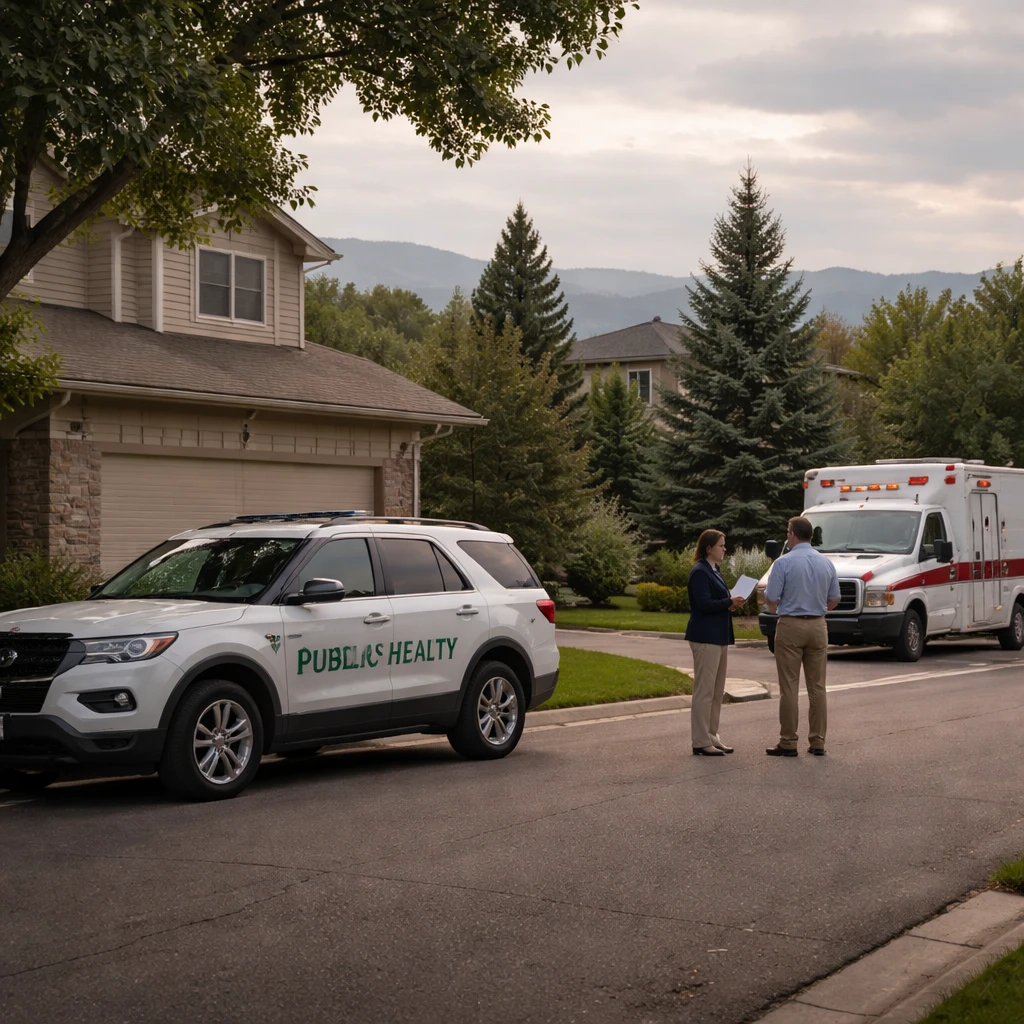
Colorado public health authorities have confirmed the death of an adult resident from hantavirus and said they are investigating the fatality, according to statements from state and county agencies.
The Colorado Department of Public Health and Environment and the Douglas County Health Department noted the case involved infection with the Sin Nombre hantavirus. Both agencies emphasized that this death is not connected to the recent outbreak aboard the MV Hondius cruise ship, an event that produced 11 confirmed and probable cases and included two confirmed deaths and one suspected death.
The individual lived in Douglas County, the jurisdiction immediately south of Denver. Officials have not released identifying details; the patient’s name, age and sex were not immediately available.
Health authorities specified that laboratory testing identified the Sin Nombre strain of hantavirus in the patient. Sin Nombre is identified as the most common cause of hantavirus pulmonary syndrome, or HPS, in North America.
Public guidance reiterated by health agencies outlines the typical progression and early clinical features of HPS. According to information cited from the Centers for Disease Control and Prevention, symptoms most commonly emerge between one and eight weeks after exposure to the virus. Early manifestations include fever, pronounced fatigue and muscle aches.
Additional symptoms experienced by roughly half of people with HPS can include headaches, chills, dizziness, nausea, vomiting, diarrhea and abdominal pain. Health officials have not provided further clinical details about the case under investigation.
Context and next steps
State and county health departments continue to investigate the circumstances surrounding the infection and to communicate that the Douglas County case is separate from the MV Hondius outbreak. Officials have not announced further epidemiological findings or released more patient-level information at this time.
Public health agencies maintain monitoring and outreach activities when hantavirus cases are identified, and they continue to provide information on symptom timelines and common early signs of HPS to clinicians and the public.