
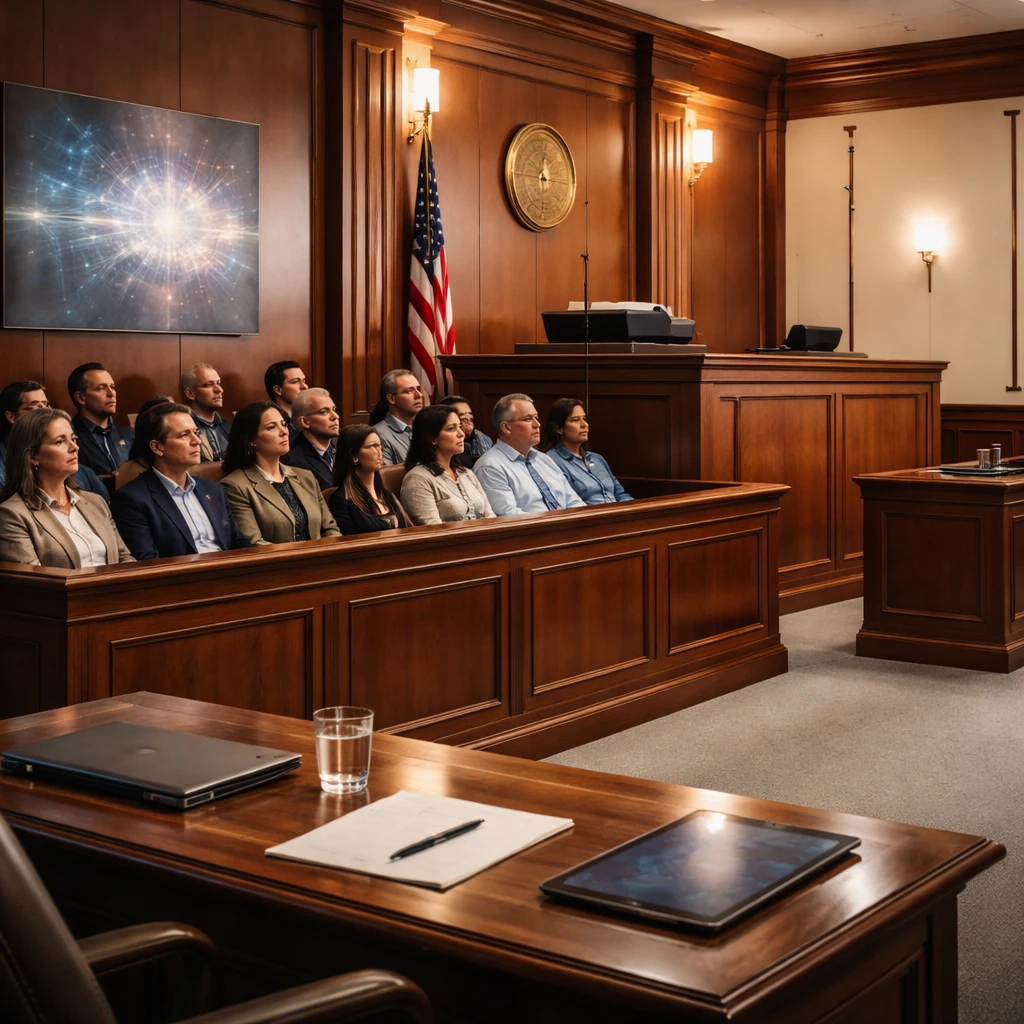
A federal jury on Monday concluded that OpenAI was not liable in litigation filed by Elon Musk, who argued the artificial intelligence developer had strayed from its founding mission to serve humanity.
The trial began on April 28 and ran for 11 days. Musk accused OpenAI of seeking to enrich investors and insiders in a way that undermined its nonprofit framework and of failing to make AI safety a priority. He also alleged that Microsoft knew OpenAI had prioritized financial gain over altruistic objectives.
OpenAI countered that Musk brought the case for financial reasons and that he waited too long before asserting that the company had breached its original agreement to develop safe AI for the benefit of humanity. The company argued the suit was untimely and motivated by monetary interest.
In closing arguments, Musk's attorney Steven Molo told jurors that multiple witnesses had questioned the credibility of OpenAI chief executive Sam Altman or had labeled him a liar. Molo also pointed out that, during testimony, Musk did not give an unequivocal yes when asked if he considered himself completely trustworthy.
At its core, the trial focused on fundamental questions about how artificial intelligence should be deployed and who ought to profit from its development. The technology at issue is currently applied across a range of fields, including education, facial recognition, financial advice, journalism, legal research, and medical diagnoses.
Summary
A jury determined OpenAI is not liable in Elon Musk's lawsuit alleging the company abandoned its charitable founding purpose and prioritized financial gain. The 11-day trial, which started April 28, featured competing claims over motive and timing and included testimony about the credibility of company leadership.
Key points
- The jury found OpenAI not liable in the suit filed by Elon Musk.
- Musk alleged OpenAI abandoned its nonprofit mission to enrich investors and insiders and neglected AI safety; he also claimed Microsoft was aware of that prioritization.
- OpenAI said Musk pursued the case for financial motives and delayed bringing claims that the company breached its founding agreement.
Sectors impacted
- Technology firms involved in AI development and deployment
- Industries using AI such as education, finance, media, legal services, and healthcare
Risks and uncertainties
- Questions about the credibility of leadership surfaced at trial, as witnesses reportedly challenged Sam Altman's trustworthiness; this could create reputational uncertainty for AI-focused companies.
- Legal timing and plaintiffs' motives were contested, with OpenAI arguing the suit was delayed and financially driven, leaving unsettled questions about incentives behind litigation in the sector.
- The trial highlighted unresolved debates over who should financially benefit from AI, an uncertainty that affects developers, investors, and downstream industries that rely on AI applications.
The verdict resolves the specific legal claims in Musk's suit but leaves intact broader, policy-like questions about governance, incentives, and the deployment of AI across sectors where the technology is already in use.