
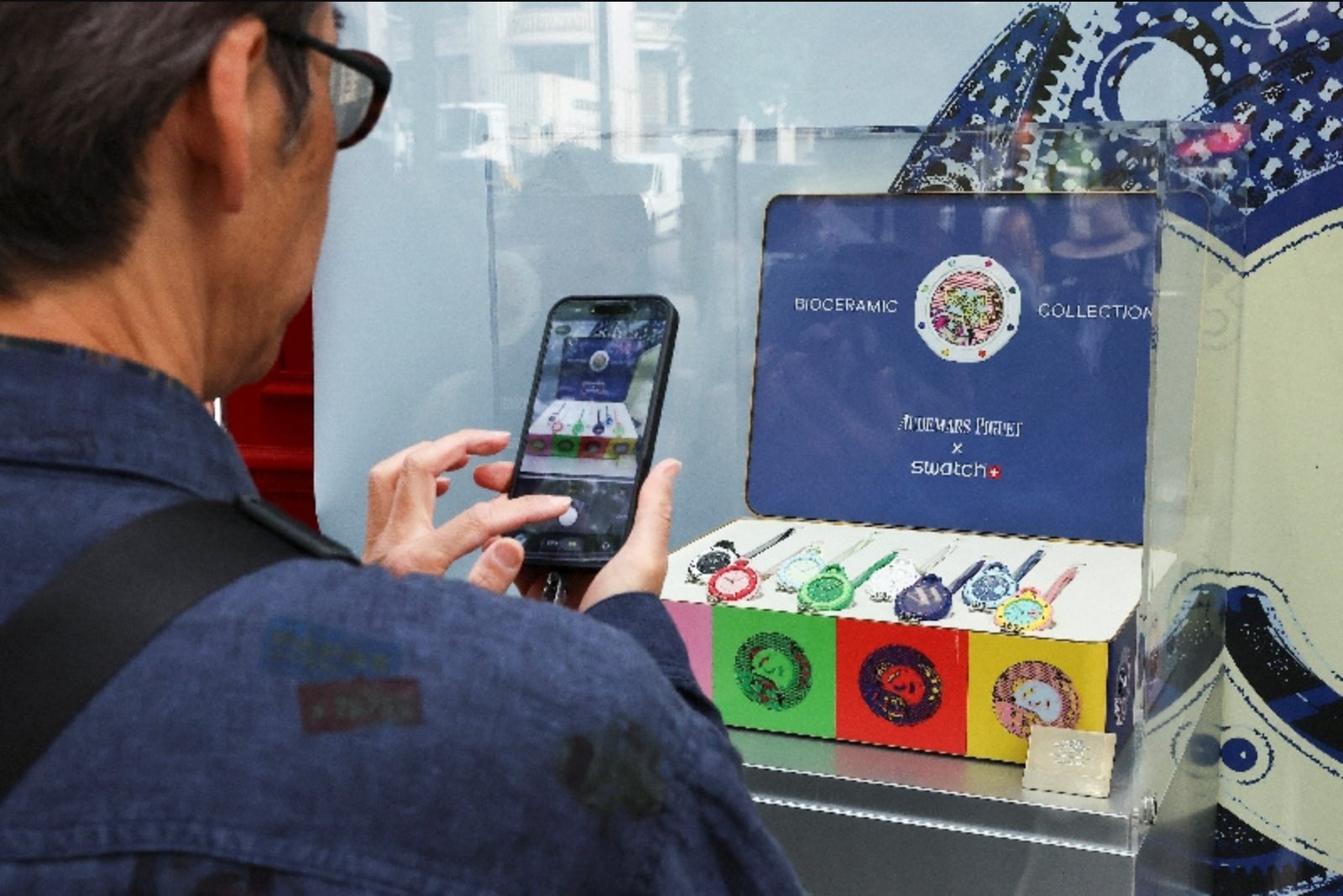
Swiss watchmaker Swatch and high-end partner Audemars Piguet staged a high-profile entry into Gen Z-oriented "product drop" culture with their Royal Pop pocket watch collaboration, a move that produced scenes of chaos at some retail locations and divided opinion among analysts and marketing professionals.
The limited-edition Royal Pop release - a Pop Art-inflected pocket watch that mixes Swatch’s colourful, retro aesthetic with design cues from much pricier Audemars Piguet timepieces - generated exceptionally long queues and forced some stores to close temporarily. Video footage verified by Reuters showed a physical altercation outside a Swatch store in Milan as shoppers sought to secure the 335-pound ($449) watches.
Swatch described the partnership as a rule-breaking, pop-culture-minded collaboration intended to spark conversation. An Audemars Piguet executive framed the tie-up as a way to reach younger consumers even while acknowledging it had provoked disagreement; CEO Ilaria Resta wrote on LinkedIn before the launch that "that is exactly where relevance is reborn: when watchmaking provokes discussion, curiosity, desire, and even disagreement." The brands promoted the product as a "positive provocation."
A Swatch spokesperson said the launch is "literally making social media explode" but acknowledged operational problems on launch day. "Challenges arose on launch day because the queues of interested customers were exceptionally long, and the organization of some shopping malls was not sufficient to handle this level of turnout," the spokesperson said.
Marketing academics and industry commentators say the spectacle - fisticuffs aside - may work in Swatch’s favour by creating a viral halo for the group at a time when it faces pressure from investors over strategy.
"From a marketing perspective this is absolute gold for Swatch," said Roman Pavlyuchenko, assistant professor of marketing at the University of Bath in England, noting the publicity may generate a halo effect. Simon Lazarus, head of PR and content at online luxury watch platform Chrono Hunter, described the launch as creating a viral moment and observed consumers’ desire to "collect" limited items, saying the collaboration allows people "to have a little piece of Audemars Piguet."
Guido van Garderen, senior marketing professor at the London School of Economics, pointed to herd behaviour and the difficulty people face walking away from a queue as drivers of the rush for the 335-pound watches, which are priced well below genuine Audemars Piguet pieces. Swatch posted a public message asking customers not to rush stores in large numbers and reassuring buyers that the watches would remain on sale for months.
The drop model - releasing limited-edition products in small batches - developed as a retail strategy in underground streetwear and sneaker cultures in the 1990s, and the rise of platforms such as TikTok and Instagram has amplified these trends and accelerated scramble behaviour for collectibles.
Past examples of limited-product launches show both controversy and measurable commercial upside. In 2019, U.S. fast-food chain Popeyes launched a fried chicken sandwich that sparked intense public demand, violent confrontations and at least one fatal incident. Despite the tragedy, the sandwiches produced a 38% increase in Popeyes’ fourth-quarter same-store sales in 2019, and marketing firm Apex Marketing Group estimated the chain received $65 million of free media exposure from the episode. Similarly, the cult craze for Labubu plush toys last year prompted Pop Mart to suspend in-store sales in Britain; that Beijing-based distributor reported 2025 revenue up 185% from a year earlier.
Financial analysts have offered mixed assessments of the likely commercial impact for Swatch. The Royal Bank of Canada estimated that Royal Pop sales could lift Swatch’s revenue by about 3% this year. UBS, by contrast, noted that such a hit would not be enough to offset Swatch’s broader structural challenges.
Industry observers stress the fine line between a marketing success that bolsters brand relevance and operational or reputational problems that can follow from disorder at retail. The episode underscores how limited releases can generate intense attention and short-term sales gains, while also presenting logistical and public-safety challenges for retailers and shopping centres.
For Swatch and Audemars Piguet, the launch produced a high-visibility moment: intense footfall, social-media buzz and a heated public debate about the merits and hazards of drop-style retailing. Whether the episode proves a lasting strategic win for Swatch depends on how the group navigates investor expectations and larger structural headwinds identified by some analysts.
Conversion used in reporting: $1 = 0.7467 pounds.