
Analysts surveyed in a poll expect Mexico's headline inflation to have eased for the fourth straight 15-day period in the opening half of May, pointing to a moderation to 4.13% on a year-on-year basis.
The median forecast from the 12 respondents calls for overall consumer prices to have declined 0.15% compared with the immediately preceding half-month period. That follows a string of recent declines in the fortnightly series.
While the headline number is projected to cool, measures that exclude volatile components show a different dynamic. Core inflation - which strips out volatile items and is regarded as a clearer barometer of underlying price pressures - is forecast to tick up to 4.26% year-on-year after six consecutive fortnightly falls. On a half-month basis, core prices are seen falling 0.17% from the prior period.
The Bank of Mexico earlier this month concluded its rate-cutting cycle, keeping the benchmark interest rate at 6.50% and indicating that holding rates at that level would be appropriate going forward. The poll results are consistent with market expectations that monetary policy will remain on hold for an extended stretch.
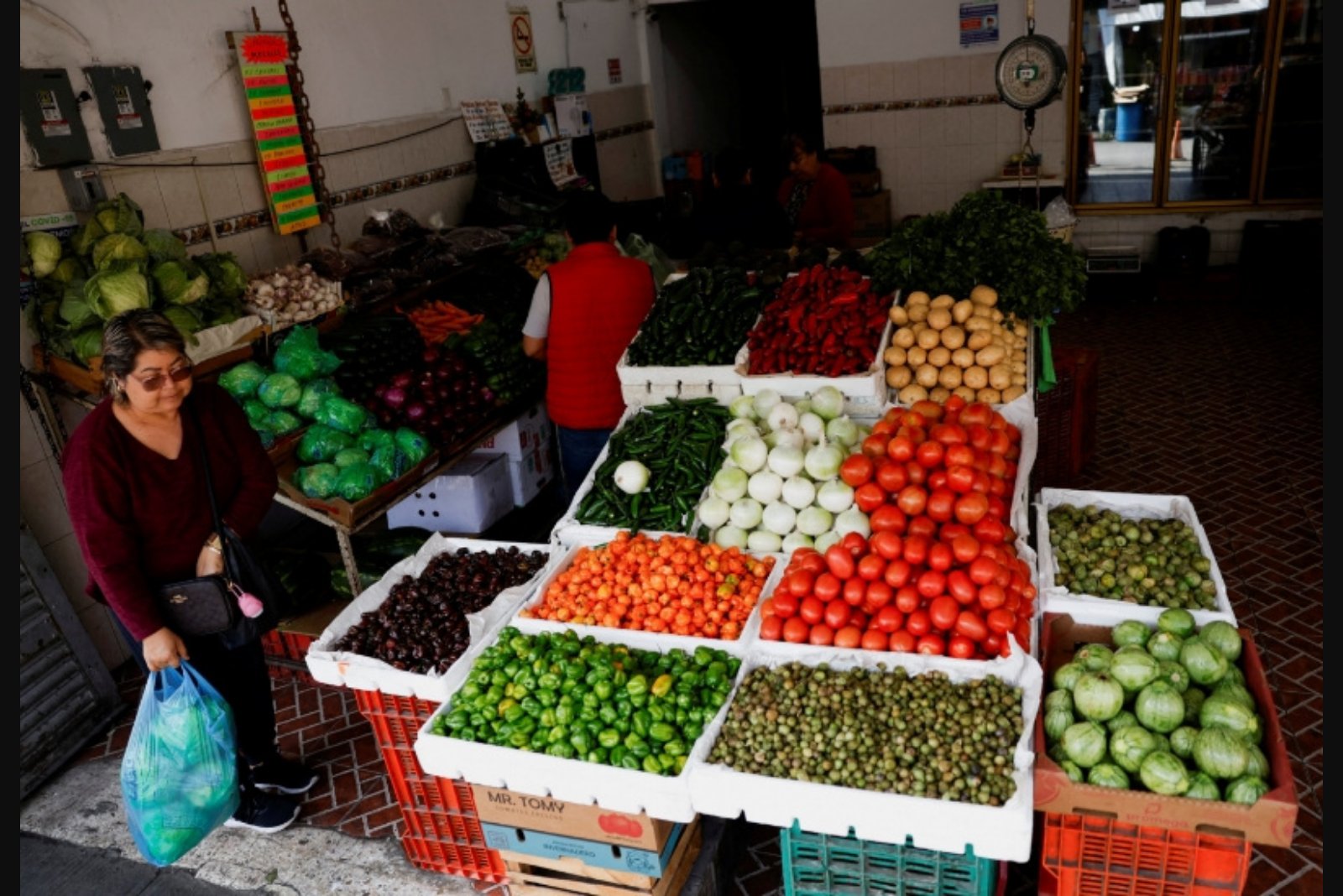
Market commentary cited by some forecasters points to specific drivers behind the projected moderation in headline inflation. Barclays said the slowdown was mainly driven by summer electricity tariff discounts and a reversal in certain agricultural prices, with tomatoes singled out as a notable example. Barclays also linked the rise in core inflation to continuing pressures in services.
On the condition for future policy moves, Barclays noted that only a significant upswing in core inflation or an interest rate increase by the U.S. Federal Reserve would likely prompt the Bank of Mexico to resume tightening.
The U.S. Federal Reserve kept rates unchanged at its April meeting, though markets have started to price in the possibility of a rate hike toward late this year or into early 2027. These external rate expectations are one factor that analysts monitor when assessing Mexican monetary policy options.
Official inflation statistics for the period are due from Mexico's statistics agency INEGI on Friday. That release comes one day after the Bank of Mexico is scheduled to publish the minutes from its May policy meeting, which market participants will scrutinize for guidance on the central bank's outlook.
Key takeaways
- Headline inflation is forecast to slow to 4.13% year-on-year in the first half of May, with a 0.15% decline from the prior half-month.
- Core inflation is expected to edge up to 4.26% year-on-year, despite a 0.17% fall from the previous half-month, highlighting persistent services inflation.
- The Bank of Mexico has paused its rate-cutting cycle, holding the benchmark at 6.50%, and the latest forecasts support the view that policy will remain unchanged for now.
Sectors likely affected
- Consumer goods and grocery prices, given the role of agricultural reversals such as tomatoes.
- Utilities and energy, influenced by summer electricity tariff discounts.
- Services, which are contributing to the upward pressure in core inflation.
Risks and uncertainties
- A significant rise in core inflation could force the Bank of Mexico to reconsider its pause and resume tightening - a development that would affect borrowing costs and financial markets.
- An interest rate increase by the U.S. Federal Reserve would be another trigger that could prompt Mexican policy tightening, with implications for capital flows and the peso.
- Upcoming official data from INEGI and the Bank of Mexico minutes could alter market expectations if they differ materially from the poll forecasts.