
Overview
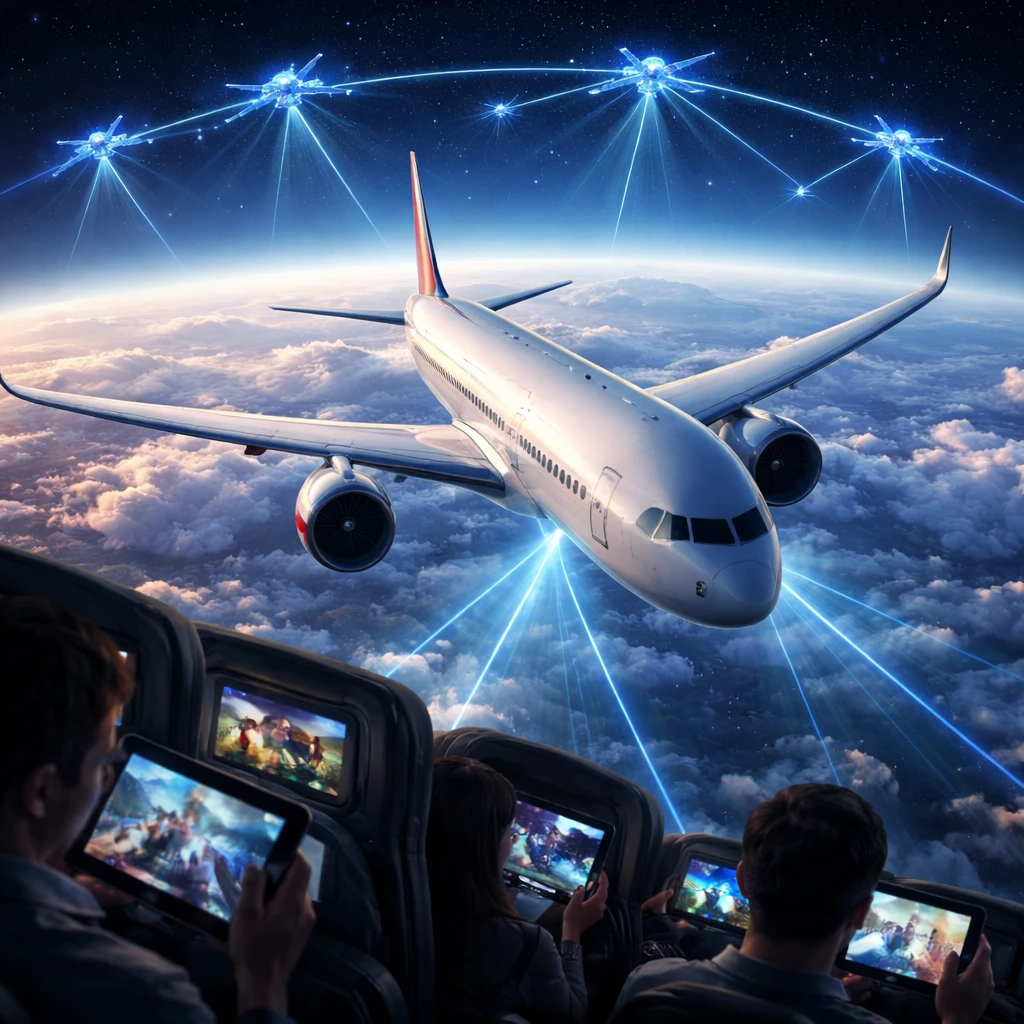
Delta Air Lines Inc.'s chief executive, Ed Bastian, has publicly defended the airline's decision to partner with Amazon.com Inc. for its next-generation in-flight Wi-Fi, saying the choice was driven by a combination of cost and a broader technology offering.
In an interview with Bloomberg, Bastian emphasized that Delta evaluated more than raw satellite connectivity when selecting a supplier. "Amazon brings a lot more than just satellite technology," he said. "They bring great retailing capability and Amazon Prime and video gaming technologies, which Starlink does not have."
Bastian added that the Amazon service provides what he described as improved bandwidth at a much lower price point than Starlink, a point he presented as central to Delta's selection.
Context and industry responses
The comments come after Elon Musk posted criticism of Delta's choice on the social media platform X last week. Musk's public reaction followed Delta's announcement in March that it had signed a deal to install Amazon's Leo internet service on 500 aircraft, with installations slated to begin in 2028.
SpaceX's Starlink, which operates approximately 10,000 satellites in orbit, has secured in-flight internet agreements with several other carriers. Among those named by Delta and in public filings are Emirates, Lufthansa, British Airways and United Airlines Holdings Inc. Starlink has been engaged by those carriers for in-flight connectivity services, representing a competing approach based on satellite capacity.
Implications for airlines and providers
Delta's public remarks frame the decision as one that extends beyond connectivity alone to include ancillary services such as retailing, streaming and gaming capabilities tied to the provider. The carrier's timeline and scope were reiterated by Bastian; the rollout is tied to the March agreement to deploy Amazon Leo on 500 aircraft beginning in 2028.
Direct quotation
"Amazon brings a lot more than just satellite technology," Bastian said. "They bring great retailing capability and Amazon Prime and video gaming technologies, which Starlink does not have."
Delta's stance highlights a competitive supplier landscape in which satellite constellation size, service pricing and additional platform features factor into airline procurement decisions.
Key takeaways
- Delta selected Amazon's Leo service for in-flight Wi-Fi, citing lower cost and broader technology features.
- Starlink operates about 10,000 satellites and has deals with carriers including Emirates, Lufthansa, British Airways and United Airlines.
- Delta's Amazon deployment covers 500 aircraft with installations beginning in 2028 under a deal announced in March.