
World April 29, 2026 11:52 AM

Vessel Movements Through Strait of Hormuz Remain Minimal as US-Iran Talks Stall

Shipping data shows only a handful of transits in 24 hours while negotiations falter and a US blockade extension is reported

By Avery Klein
Share
Twitter Reddit Facebook LinkedIn

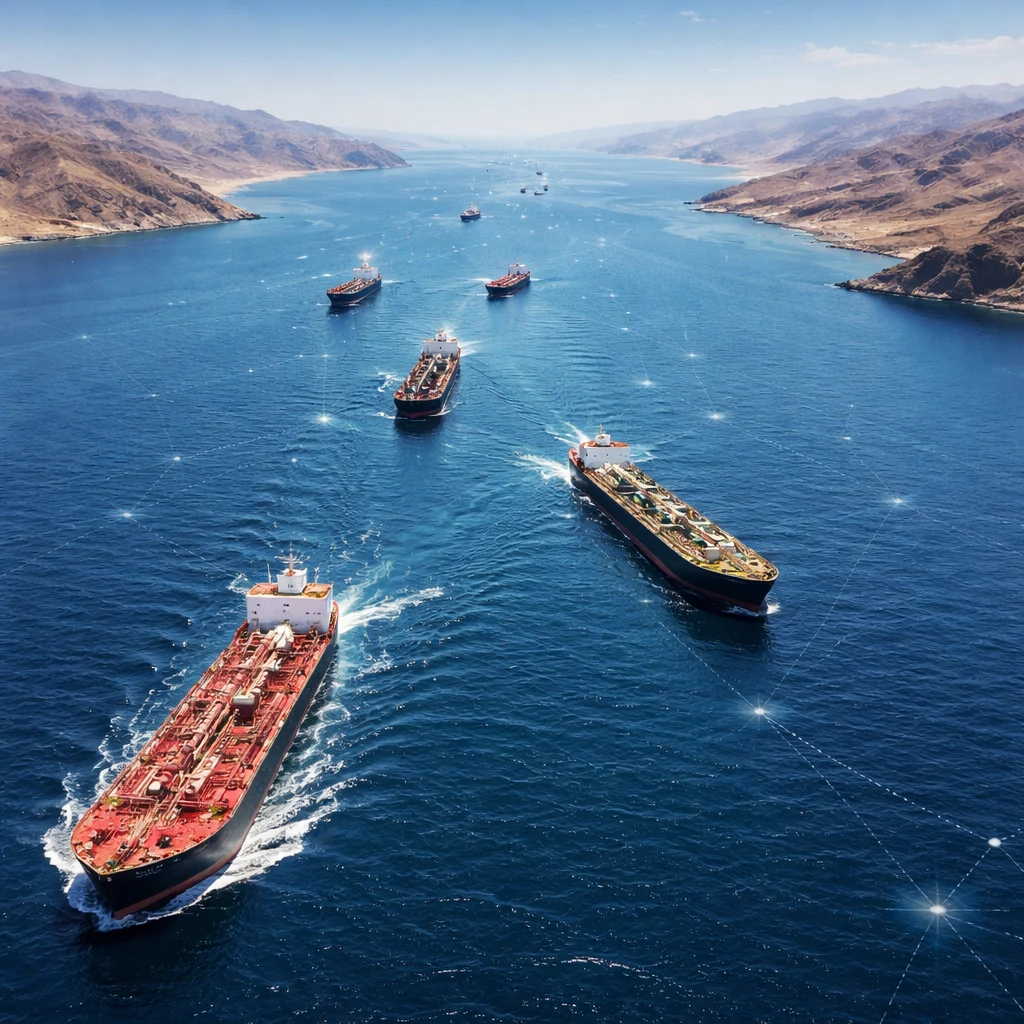
At least six vessels passed through the Strait of Hormuz in the past 24 hours, most moving inside Iranian waters, according to ship-tracking and satellite data. Traffic levels remain a small fraction of pre-conflict activity as US-Iran negotiations have not produced an agreement to reopen the waterway.

Vessel Movements Through Strait of Hormuz Remain Minimal as US-Iran Talks Stall
Summarize with
ChatGPT Perplexity Claude Grok Gemini

Key Points

  • Only six vessels crossed the Strait of Hormuz in the past 24 hours, according to Kpler and SynMax data - shipping sector and global trade impacted.
  • Most transits occurred within Iranian waters and included the sanctioned chemical tanker Vast Plus - maritime compliance and insurance sectors affected.
  • Recent traffic averages about seven vessels per day, far below the 125-140 daily passages before the Iran war began on February 28 - port operations and shipping logistics under strain.

At least six ships navigated the Strait of Hormuz in the most recent 24-hour period, shipping databases and satellite analysis showed on Wednesday, leaving passage volumes well below historical norms as diplomatic talks between the United States and Iran have failed to reach a resolution to restore normal traffic.

Data compiled by Kpler and corroborated with satellite imagery from SynMax indicate the vessels moved primarily through Iranian territorial waters. Among the transits was the chemical tanker Vast Plus, which is listed under US sanctions. The majority of the identified vessels were dry bulk carriers.

Recent daily traffic has averaged roughly seven vessels, a marked decline from the 125 to 140 daily passages recorded before the onset of the Iran war on February 28. That contrast illustrates the scale of disruption to maritime movement in the narrow waterway at the entrance to the Gulf.

On the diplomatic front, President Donald Trump urged Iran on Wednesday to sign a deal, following several days of stalemate in efforts aimed at ending the conflict. Separately, a media report indicated that the United States would extend a blockade of Iran's ports, a development that would affect the dynamics of shipping in the Strait.

The Strait of Hormuz serves as a critical maritime channel at the Gulf's entrance. The reduced number of transits in recent days reflects the ongoing uncertainty surrounding access and the fragile status of negotiations between the two countries. Publicly available ship-tracking and satellite sources provided the transit counts and vessel identification referenced above.

Limited by the available reporting, the record shows the small number of crossings and the involvement of at least one sanctioned vessel, while official statements about operational details and future arrangements have not been reported in the sources cited here.

Risks

  • Continued stalemate in US-Iran negotiations could sustain low transit volumes - affecting shipping, logistics, and trade-dependent sectors.
  • A reported extension of the US blockade of Iran's ports would prolong restrictions on maritime movements - increasing uncertainty for carriers and insurers.
  • Presence of sanctioned vessels among the limited transits raises compliance and enforcement risks for operators and counterparties in shipping markets.

More from World

U.S. Strike in Eastern Pacific Kills Three, Draws Human Rights Criticism Jun 18, 2026 Report: Camp Mystic Lacked Evacuation Plans and Training on Night of Deadly 2025 Flash Flood Jun 18, 2026 New Mexico Commission Subpoenas Multiple U.S. Attorneys' Offices in Epstein Inquiry Jun 18, 2026 ICE Says Migrants Removed From Florida 'Alligator Alcatraz' Facility Ahead of Hurricane Season Jun 18, 2026 Federal Judge Orders Release of Milwaukee Mosque Leader From ICE Custody Jun 18, 2026