
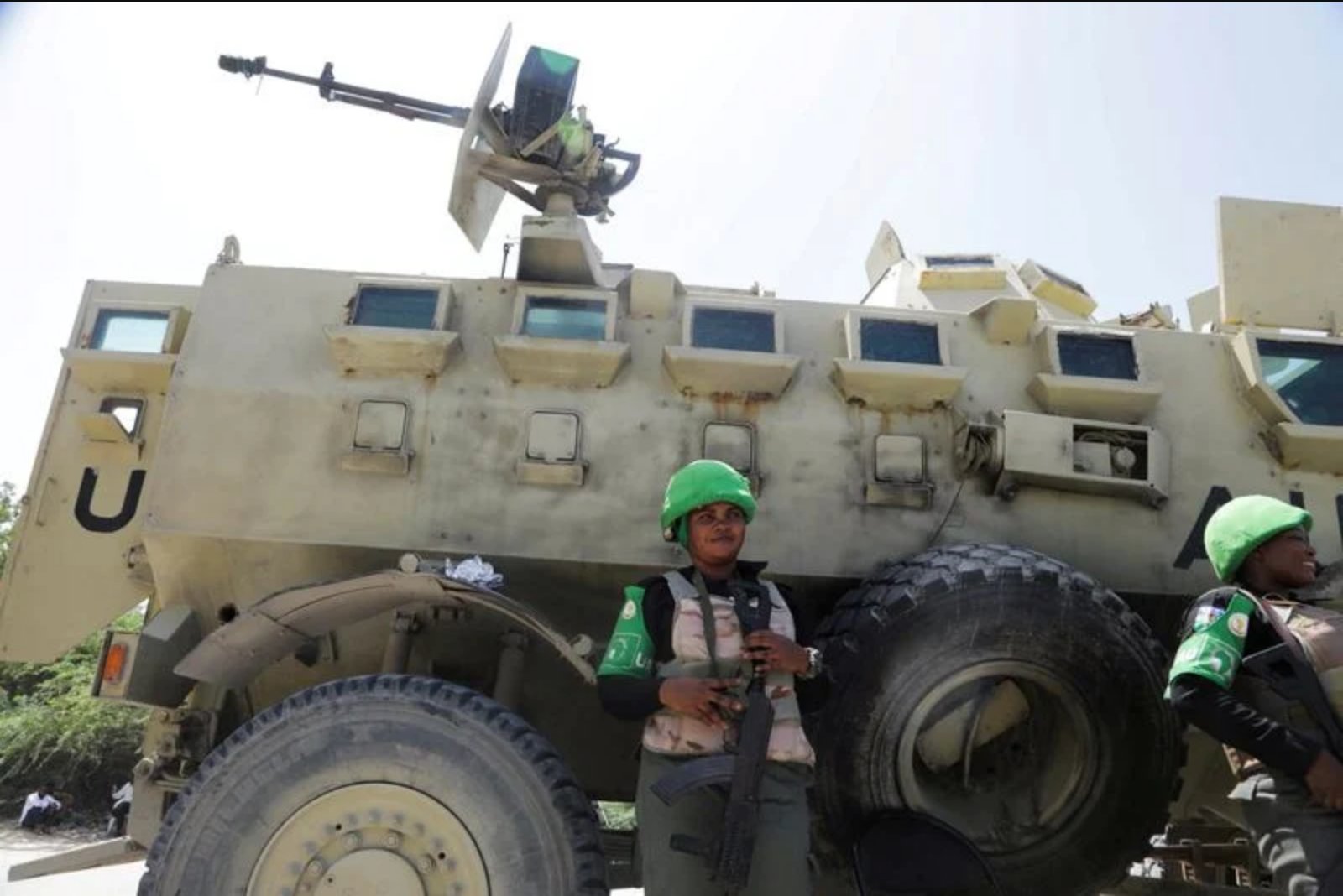
In a move that AU officials say threatens the future of a major peacekeeping presence in Somalia, Washington has told the African Union that it will not permit United Nations logistical and operational backing for the AU Support and Stabilisation Mission in Somalia (AUSSOM) beyond the end of this year.
The U.S. notification arrived in the form of a July 1 diplomatic note to the AU. The note said the United States would not oppose a renewal of the AU mission's mandate at the U.N. Security Council, but it would block any extension that relies on U.N. logistical or operational support.
AUSSOM, a force that numbers nearly 12,000, is credited with propping up Somalia's fragile central government in Mogadishu and helping to blunt advances by al Qaeda-linked al-Shabaab. The militant group has repeatedly launched offensives that at times have brought it near the capital, and it retains control over large rural areas across southern and central regions.
Operationally, the AU mission depends heavily on the United Nations Support Office in Somalia (UNSOS) for a wide array of essential services. Those include the provision of food and water, fuel deliveries, medical services and the transportation of troops - all logistical elements that mission commanders say are indispensable to sustain operations on the ground.
The total budget for UNSOS is around $500 million, according to the diplomatic note. By contrast, the AUSSOM budget last year stood at $190 million, and financing for the mission has become increasingly uncertain. Observers note a growing funding shortfall after Washington blocked a previous proposal that would have shifted three-quarters of the mission's financing to U.N. funds.
Officials within the AU Commission informed members of the AU Peace and Security Council that the U.S. decision carries "significant implications for the logistical sustainment, operational posture and financing of the Mission," according to a letter sent to council members.
Two diplomats with direct knowledge of the AU mission told officials that, absent a replacement provider of the U.N. role, the mission would not be able to continue. The practical effect, they said, would be to curtail or end the AU force's operations unless another institution assumes the logistics and support currently provided by UNSOS.
The U.S. diplomatic note also offered a sharp assessment of Somalia's own performance in addressing security threats. "Despite more than a decade of international support, Somalia has been unable to sustain progress against al-Shabaab, take ownership of its security functions, or undertake serious security sector reform," the note said. It added: "Internal rivalries and political infighting continue to undermine the fight against al-Shabaab and ISIS, and the benefits of international support will remain limited until Somalia's leaders unite to address the country's security and governance challenges."
Ahmed Koshin, a member of Somalia's national parliament and former director general in the defence ministry, cautioned that the decision will have far-reaching effects. "This will have huge ramifications for Somalia," he said. "The peacekeeping mission is in danger because ultimately you need to be able to support and sustain these forces."
Attempts to obtain comment from Somalia's defence ministry, the U.S. State Department, the U.S. Department of War, the U.N. Transitional Assistance Mission in Somalia and the African Union Commission did not immediately yield responses.
As the year progresses, the AU mission and international stakeholders will face a shrinking set of options unless alternative financing and logistical arrangements are found to replace the role the U.N. Support Office currently plays. Absent such a replacement, officials and diplomats say, the operational viability of AUSSOM is at serious risk.