
World July 2, 2026 04:15 AM

Syria’s Foreign Minister Visits Beirut Amid U.S. Remarks on Tackling Hezbollah

Diplomatic engagements in Lebanon follow U.S. suggestion that Syrian forces could confront Iran-backed militia, while Damascus denies plans for intervention

By Sofia Navarro
Share
Twitter Reddit Facebook LinkedIn

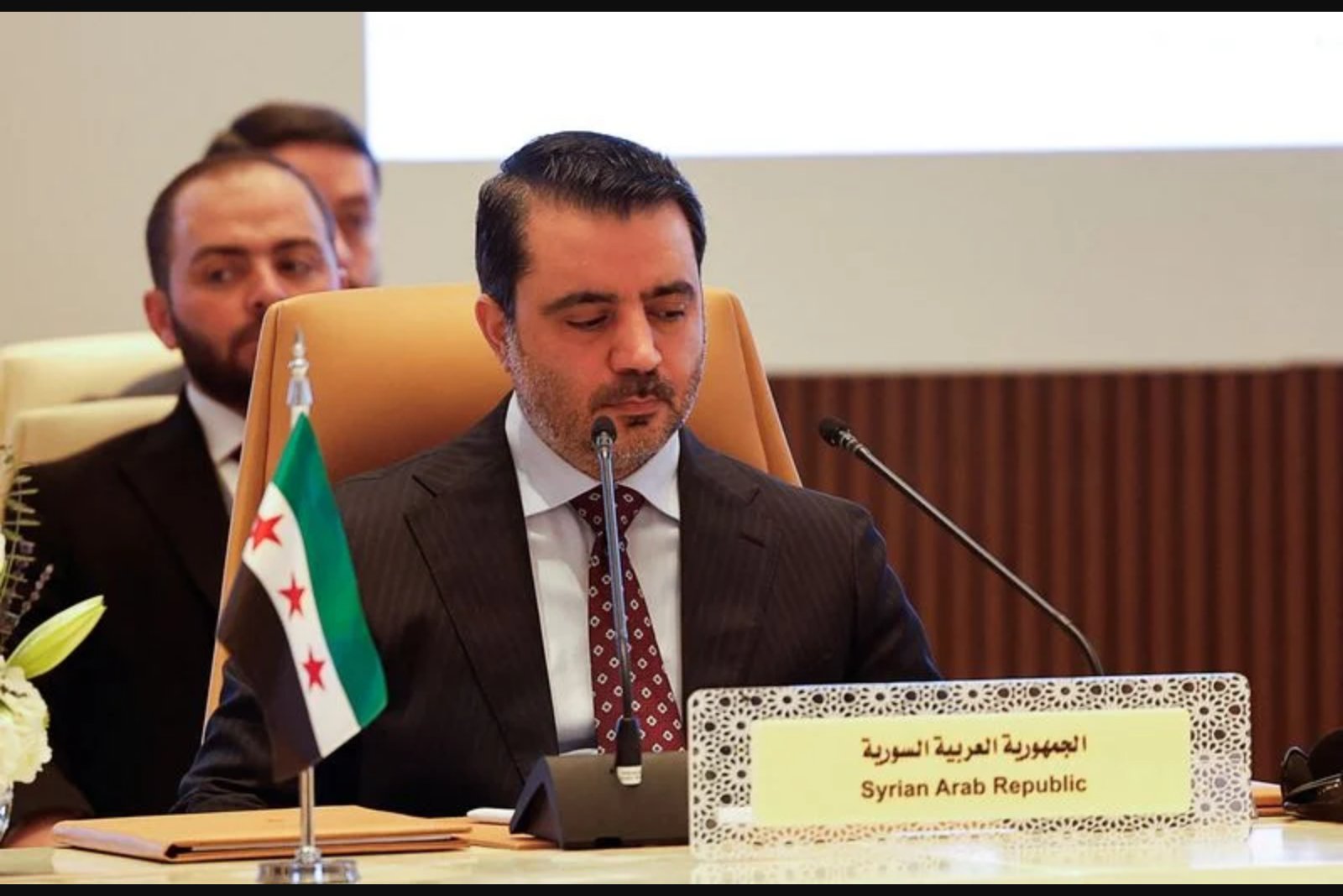
Syria’s foreign minister, Asaad al-Shibani, visited Beirut to meet Lebanese leaders in his first trip there since U.S. President Donald Trump raised the prospect of Syrian forces taking on Iran-backed Hezbollah inside Lebanon. Shibani met President Joseph Aoun and planned to meet Parliament Speaker Nabih Berri. Damascus has publicly denied reports that Syrian forces would enter Lebanon, and Syrian leaders have signaled caution about becoming involved in the regional conflict. The developments come as Syria, now governed by former rebel commander Ahmed al-Sharaa, navigates delicate alliances and seeks stability after years of civil war.

Syria’s Foreign Minister Visits Beirut Amid U.S. Remarks on Tackling Hezbollah
Summarize with
ChatGPT Perplexity Claude Grok Gemini

Key Points

  • Syria’s foreign minister Asaad al-Shibani visited Beirut to meet President Joseph Aoun and planned talks with Parliament Speaker Nabih Berri, signaling diplomatic engagement between Damascus and Lebanese leaders.
  • U.S. President Donald Trump said he had discussed with Syrian President Ahmed al-Sharaa the idea of Syria confronting Iran-backed Hezbollah, and suggested Syria could "do a better job" than Israel in that role.
  • Syria’s leadership, including Sharaa, has denied rumors of Syrian forces entering Lebanon and expressed concern over being drawn into the wider regional conflict; relevant sectors include defense and regional security-sensitive markets given the focus on military deployments and political stability.

BEIRUT - Syria’s foreign minister traveled to Beirut on Thursday for talks with senior Lebanese officials, marking his first visit to the country since U.S. President Donald Trump suggested Syrian forces might confront Iran-backed Hezbollah inside Lebanon.

Asaad al-Shibani’s initial meeting in Beirut was with Lebanese President Joseph Aoun. He then proceeded to a planned discussion with Nabih Berri, the parliament speaker and known ally of Hezbollah. The sequence of meetings highlights Damascus’ engagement with Lebanon’s political leadership amid heightened commentary by the United States about the role Syria might play with respect to Hezbollah.

Syrian President Ahmed al-Sharaa, the former rebel commander whose government now leads Syria, has publicly rejected reports that Syrian units would enter Lebanon. According to Syrian state media, Sharaa said that "the rumours circulating about Syria entering Lebanon are completely unfounded."

The visit follows comments by U.S. President Donald Trump last month in which he said he had discussed the prospect of combating Hezbollah with Sharaa. Trump criticized Israel for what he described as excessive civilian casualties in Lebanon while saying it had not "gotten the job done." He added: "I suggested to Israel to let Syria take care of Hezbollah, because to be honest with you, I think they do a better job of doing it."

Diplomatic sources and reporting have indicated that the United States had encouraged Syria to consider deploying forces into eastern Lebanon to assist in disarming Hezbollah. Reuters reported in March that Damascus was hesitant to pursue such an operation, concerned it could become embroiled in the wider war in the Middle East and aggravate sectarian tensions within Syria and Lebanon.

Those concerns are echoed in the public remarks attributed to Sharaa denying any imminent Syrian entry into Lebanon. The former rebel commanders now in power in Damascus fought against Hezbollah forces when Hezbollah operated inside Syria in support of former President Bashar al-Assad. Now, as governing authorities, they face the challenge of managing military and diplomatic choices carefully to preserve relative stability in a country still recovering from 14 years of civil war.

Syria also has a historical record of dominance in Lebanon under the Assad family, having sent forces into Lebanon in 1976 during Lebanon’s civil war and exerting considerable influence over Lebanese politics until withdrawing in 2005. The prospect of any renewed Syrian intervention into Lebanon is considered fraught with the potential to inflame sectarian divisions across both countries, each home to a mosaic of communities including Sunni Muslims, Shi’ite Muslims, Christians, and Druze.


Contextual note: Reporting and official statements cited in this article reflect the positions and events as described by the involved parties. Where public denials or expressions of caution have been recorded, they are presented as stated by Syrian officials and reported sources.

Risks

  • Potential for Syria to become militarily involved in Lebanon could heighten regional tensions and sectarian strains in both countries; this carries implications for defense-related sectors and investors with exposure to regional security risks.
  • Uncertainty remains about the long-term strategy of Syria’s new government and its calibration of alliances, creating political risk that could affect regional stability-sensitive markets and reconstruction-related economic activity.
  • Public controversy and differing positions among external powers and local actors increase the risk of miscalculation, which may influence market sentiment toward assets tied to the Levant region until clarity on intentions and deployments is established.

More from World

U.S. Envoy Urges Taiwan to Become a 'Hornet's Nest' of Drones to Strengthen Deterrence Jul 1, 2026 FBI Maintains Kidnap-for-Ransom Investigation in Disappearance of Nancy Guthrie Despite Some Notes Deemed Bogus Jul 1, 2026 Man given one-year jail term in death of Jewish demonstrator at California rally Jul 1, 2026 Drones Strike Kyiv; Fire Erupts on Central Shevchenko Boulevard Hotel Jul 1, 2026 NRC Proposes Replacing ALARA Standard With Fixed Dose Limits in Bid to Clarify Radiation Rules Jul 1, 2026