
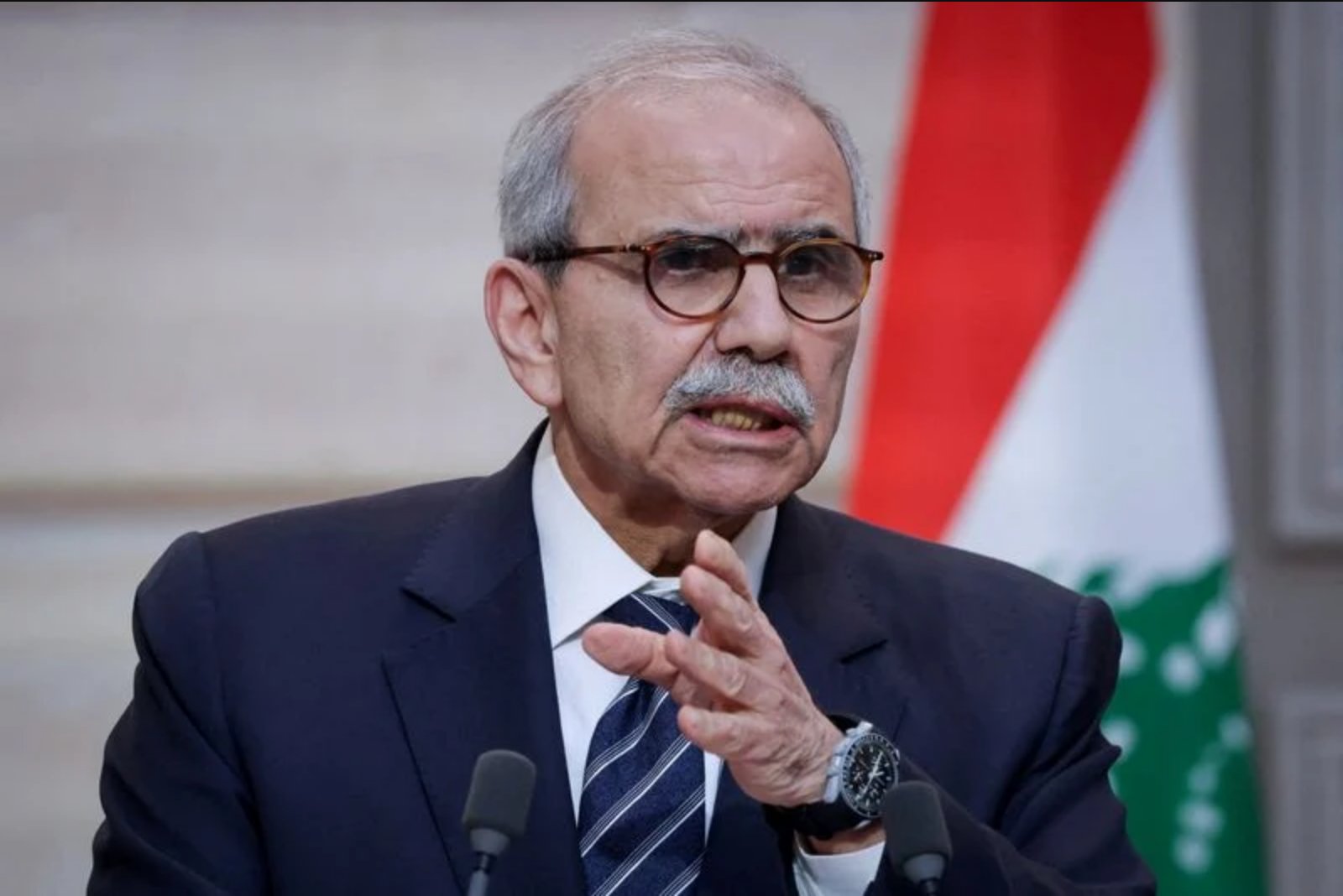
Lebanon's government says strikes on its territory continued at a high rate even after the United States announced a ceasefire agreement for the country in mid-April. In a statement posted on X after a cabinet meeting, Prime Minister Nawaf Salam said that from April 17 - the day the U.S.-brokered ceasefire took effect just after midnight - through June 7, Israeli forces carried out 3,491 air strikes, 407 controlled demolitions and six so-called "razing" operations.
The prime minister's office said those demolitions and razing operations have left some whole villages in the far south of Lebanon effectively flattened. The government statement also noted that although the ceasefire has largely stopped attacks on Beirut and its suburbs, it has not halted fighting in southern Lebanon between Israeli forces and Hezbollah, the Iran-backed armed group.
Salam's remarks highlighted the wider humanitarian impact of the continued operations. He said Lebanon is attempting to maintain the terms of the ceasefire, but the most recent escalation between Iran and Israel has produced new waves of displacement, increasing pressure on the country’s ability to host families fleeing violence.
Lebanon has already recorded more than 1 million people displaced since the war began on March 2 - a figure the government describes as roughly one in five of the country's population. The prime minister tied the surge in displacement to both strikes and evacuation warnings issued across Lebanon during the conflict.
The current outbreak of violence began after Hezbollah fired rockets into Israel in support of Iran, which itself had been struck by Israel and the United States. Hezbollah has continued to fire on Israeli targets and has rejected U.S.-mediated talks between Lebanese and Israeli officials that were intended to strengthen the ceasefire and produce a lasting deal.
In recent days the cycle of reprisals has continued. On Sunday, Israel struck the southern suburbs of Beirut in response to Hezbollah fire directed at northern Israel. Tehran then struck northern Israel, which in turn returned fire at several locations inside Iran.
The Israeli military did not immediately respond to a request for comment on the figures released by the Lebanese prime minister's office. Separately, U.S. President Donald Trump was quoted last week as saying that ceasefires in the Middle East amount to "shooting in a more moderate manner," rather than a complete halt in hostilities.
Context note: The figures and incidents cited above are those provided by Lebanon's prime minister and his office, as referenced in the government statement posted on X. No immediate response was available from the Israeli military to confirm or dispute the counts.