
Vance Boelter, 59, is due to be sentenced in U.S. District Court in Minneapolis on Thursday after pleading guilty in June to six federal counts tied to a string of late-night attacks on Minnesota legislators. Under the terms outlined by prosecutors, Boelter faces consecutive life sentences plus 40 years when the judge imposes punishment.
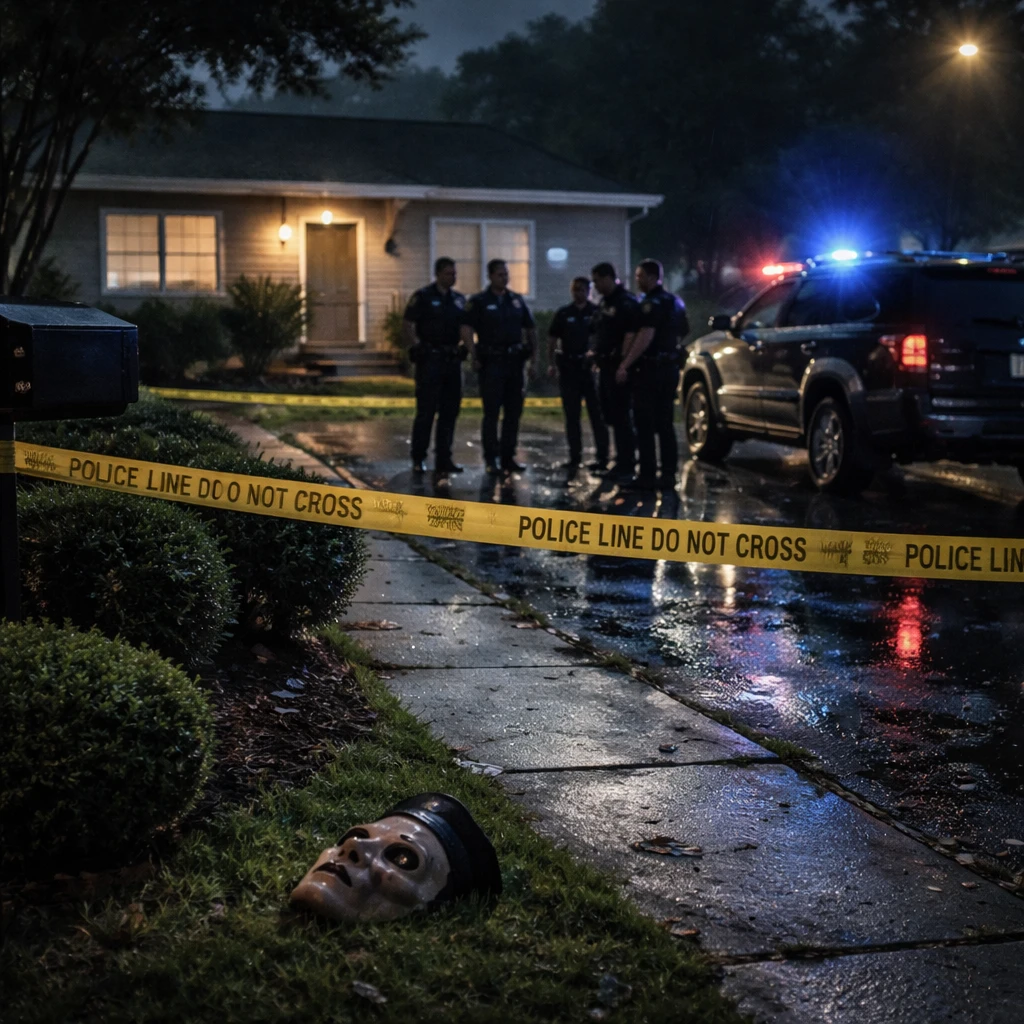
Boelter admitted to carrying out the assaults on June 14, 2025, while wearing a silicone mask, dressed in a police uniform and driving an SUV whose license plate read "Police." Investigators say he rang the doorbell at the home of Melissa Hortman, the top Democrat in the Minnesota House of Representatives, and after gaining entry fatally shot Hortman and her husband Mark.
Earlier that same night, authorities say Boelter went to the home of state Senator John Hoffman and his wife Yvette, where both were shot and wounded. Investigators also report that Boelter visited two other lawmakers' homes that night; at one residence no one answered the door, and at another he left after a police officer - who believed Boelter to be a fellow officer - approached his car.
Authorities found a list of more than 45 additional Minnesota officials in Boelter's vehicle. Law enforcement arrested him two days after the attacks following what has been described as the largest manhunt in state history.
Prosecutors' characterization and plea deal
Federal prosecutors portrayed the violence as a direct attack on representative government. In a sentencing memorandum submitted ahead of the hearing, they wrote: "Vance Boelter committed an assault on democracy. It was an act of political violence that struck at the core of representative government."
Boelter pleaded guilty to charges that include murder, stalking and gun-related offenses. His guilty plea was part of a deal that removed the possibility of a death sentence and left life terms and additional years as the expected statutory punishment.
Defense request and expressions of remorse
In a pre-sentencing memorandum, Boelter's court-appointed defense attorneys asked the judge to designate a federal prison in Florida for his confinement and to permit him to work while incarcerated and to participate in in-person programming, including therapy. The defense acknowledged the harm caused and argued that Boelter's guilty plea and agreement to maximum penalties demonstrated sincere remorse.
"Mr. Boelter knows expressing his remorse does not take away the pain he has caused," the attorneys wrote. "But pleading guilty and agreeing to maximum penalties does show Mr. Boelter's sincere remorse."
Context noted by authorities
Officials and prosecutors emphasized that the shootings came amid a broader rise in politically motivated violence across the United States. The case has drawn attention for the brazenness of the disguise, the targeting of multiple elected officials in a single night, and the scale of the search that led to his capture.
The sentencing hearing will determine how the statutory penalties are applied in full, including whether the judge accepts the defense requests regarding prison placement and programming.